


Key Takeaway
Building permits are required for any major repair or full rebuild after a house fire, covering structural, electrical, plumbing, and mechanical work. Both California and Washington set statewide minimum codes, but your local city or county building department issues the actual permit and handles plan review. In California, the 2025 Title 24 takes effect January 1, 2026; Washington currently enforces 2021 model codes with amendments effective March 15, 2024.
A major repair or full rebuild after a fire normally requires a building permit from your city or county, often alongside demolition, electrical, plumbing, mechanical, and fire-protection approvals. California and Washington both set statewide minimum codes, but the code edition, wildfire rules, and plan review process differ by state and local jurisdiction. You don’t need to master the code to start. The first task is finding your local permit authority and knowing whether your home is a repair or a full rebuild.
Who Actually Issues a Fire-Rebuild Permit?

The state sets the minimum code. Your local authority having jurisdiction issues the permit, handles plan review, and inspects the work. If your home is inside city limits, that’s the city building department. If it’s in one of the county’s unincorporated areas, it’s the county. California’s Building Standards Commission says local building or planning departments enforce Title 24 and should be your first contact. Washington law (RCW 19.27.050) requires counties and cities to enforce the State Building Code. Depending on the property, the fire department, health department, a utility, or an air-quality agency may also weigh in. The same offices handle commercial projects, but most fire-rebuild work is residential, and the residential building permit path is what most property owners will follow.
Restoration vs. Rebuilding: Why Permit Scope Follows the Work
Emergency board-up, roof tarping, and smoke or soot cleanup are not the same as permanent structural reconstruction. The permit scope follows the actual construction. A limited repair is a different path than rebuilding a total loss. Minor repairs like painting or small window replacements may not require a building permit at all, while structural changes and new construction clearly do. Building permit costs are usually based on project valuation, which varies by jurisdiction. Knowing which category your home falls into tells you what you’re actually applying for, and what compliance with current code will require.
California vs. Washington Building Permits at a Glance

| Topic | California | Washington |
|---|---|---|
| Current code edition | 2025 Title 24, effective Jan 1, 2026 | 2021 model codes with amendments, effective Mar 15, 2024 (2024 editions planned May 3, 2027, recheck) |
| Building-permit authority | Local city or county | Local city or county |
| Electrical-permit authority | Local | L&I, or a city with its own program, or Tacoma Power in its area |
| Wildland-Urban Interface | 2025 WUI Code, Part 7 of Title 24, effective Jan 1, 2026 | Statewide 2021 IWUIC reserved; check local adoption |
| Contractor verification | CSLB | L&I registration |
| Disaster waivers | Local and event-specific | Local and event-specific |
How the Permit Process Works After a Fire, With a Table of Contents You Can Follow
The sequence, think of it as a short table of contents for the entire process, is broadly the same in both states:
- Safety and damage assessment.
- Debris and hazardous-material clearance (asbestos and lead testing where warranted).
- Demolition or cleanup approval.
- Zoning review and site confirmation, including property boundaries, setbacks, and land use.
- Architectural and structural plans.
- Building and trade-permit plan review for electrical plumbing mechanical work.
- Permit issuance and paying any fees due.
- Construction inspections at key phases.
- Final inspection and certificate of occupancy.
One point most articles skip: debris and hazardous-material clearance often has to happen before the building permit can be issued, not after. That ordering is part of the permitting how to’s and local municipal guides your permit office enforces, and most construction projects on a fire site follow it closely.
California Fire-Rebuild Permits, and Pasadena’s Eaton Fire Rules
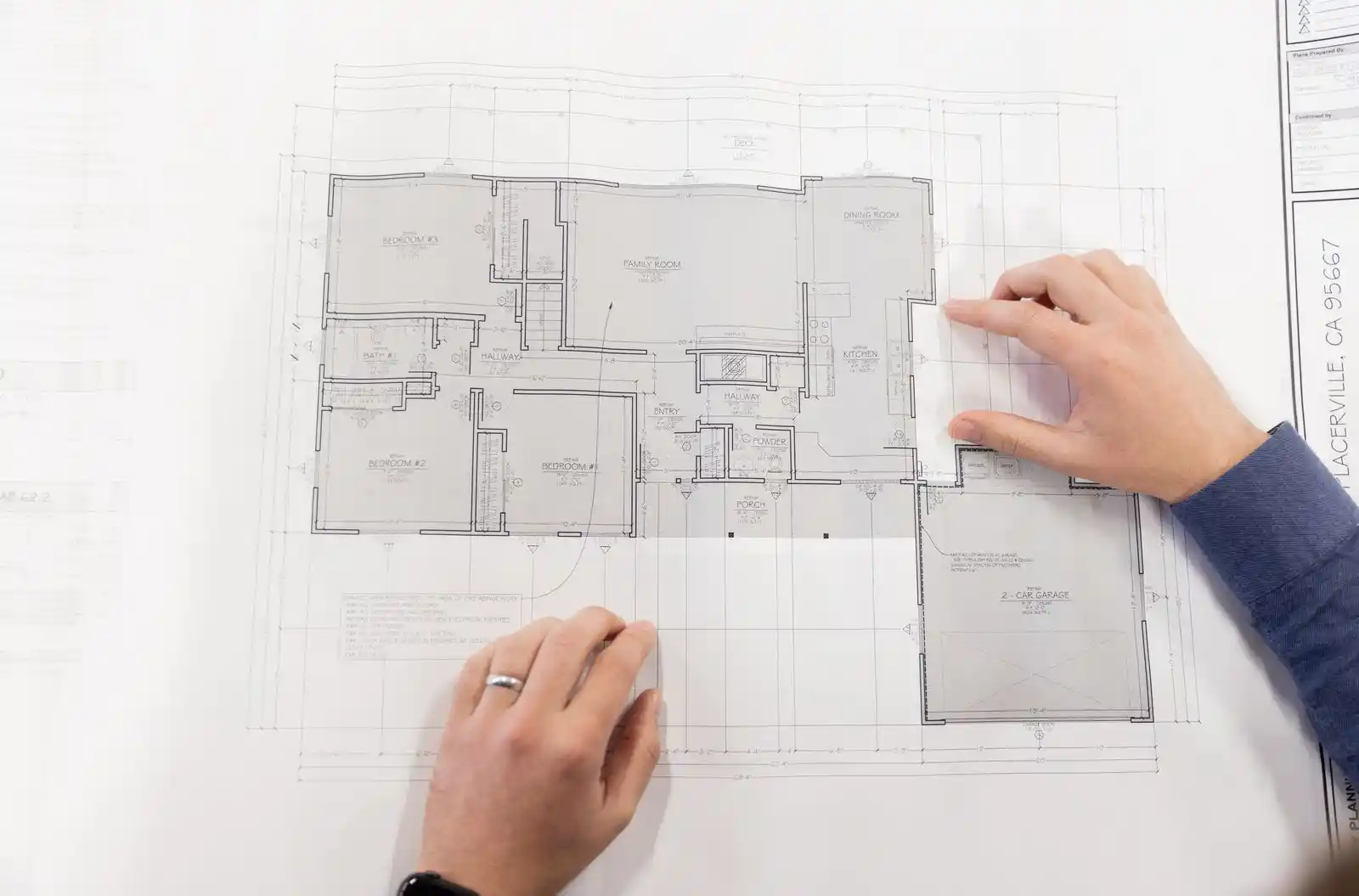
The 2025 Title 24 is the statewide baseline. Local governments can adopt stricter amendments supported by local conditions, so your permit office checks both the code and the local ordinance. The 2025 California WUI Code applies based on your Fire Hazard Severity Zone, mapped by CAL FIRE’s Office of the State Fire Marshal. The 2025 Los Angeles-area executive orders (including three-year permit validity and reuse of 2019-code designs at local discretion) are event- and location-specific, not statewide law.
Pasadena: Eaton Fire Rebuild, How to Pay Fees, and Historic Districts
These are Pasadena-specific rules for eligible Eaton Fire properties, not general California limits. The city lists the 2025 codes as standard, with an optional 2022 code path for qualifying rebuilds. The program allows an increase of up to 10% or 200 square feet (whichever is greater) over the prior floor area or footprint, up to a 10% height increase, and final debris clearance before a permit is issued. Local height restrictions and setbacks still apply. If your home sits in one of the city’s historic districts, expect added design review. Pasadena has reported plan review targets of two weeks for a first submittal, one week for later ones, and next-business-day inspections. Those are dated program targets, not guarantees, so confirm them. A permit fee waiver is available for qualifying owner-occupied, red-tagged properties, which can reduce what you pay in fees on a rebuild.
Washington Fire-Rebuild Permits
Washington’s current codes are the 2021 model codes with state amendments, effective March 15, 2024. The 2024 editions are planned for May 3, 2027, but final rulemaking was still in progress, so recheck before relying on that date. The city or county issues the building and plumbing permits (L&I Hire Smart). Electrical permits work differently: L&I in most areas, the city if it runs its own program, or Tacoma Power in its service area. When a contractor does your electrical plumbing or other trade work, that contractor buys the separate trade permits, not you. On larger or more complex projects, stormwater management review and additional review for new development can add steps. The statewide 2021 WUI code is currently reserved pending state hazard mapping, so check local adoption. A local damage inspection may decide whether your job is a repair or a reconstruction, as a Snohomish County bulletin shows. After the 2026 Spokane Complex fires, the City of Spokane required hazardous-material removal, an asbestos survey, and a demolition permit before a rebuild permit, a local, event-specific example.
Can You Reuse the Old Foundation or Original House Plans?
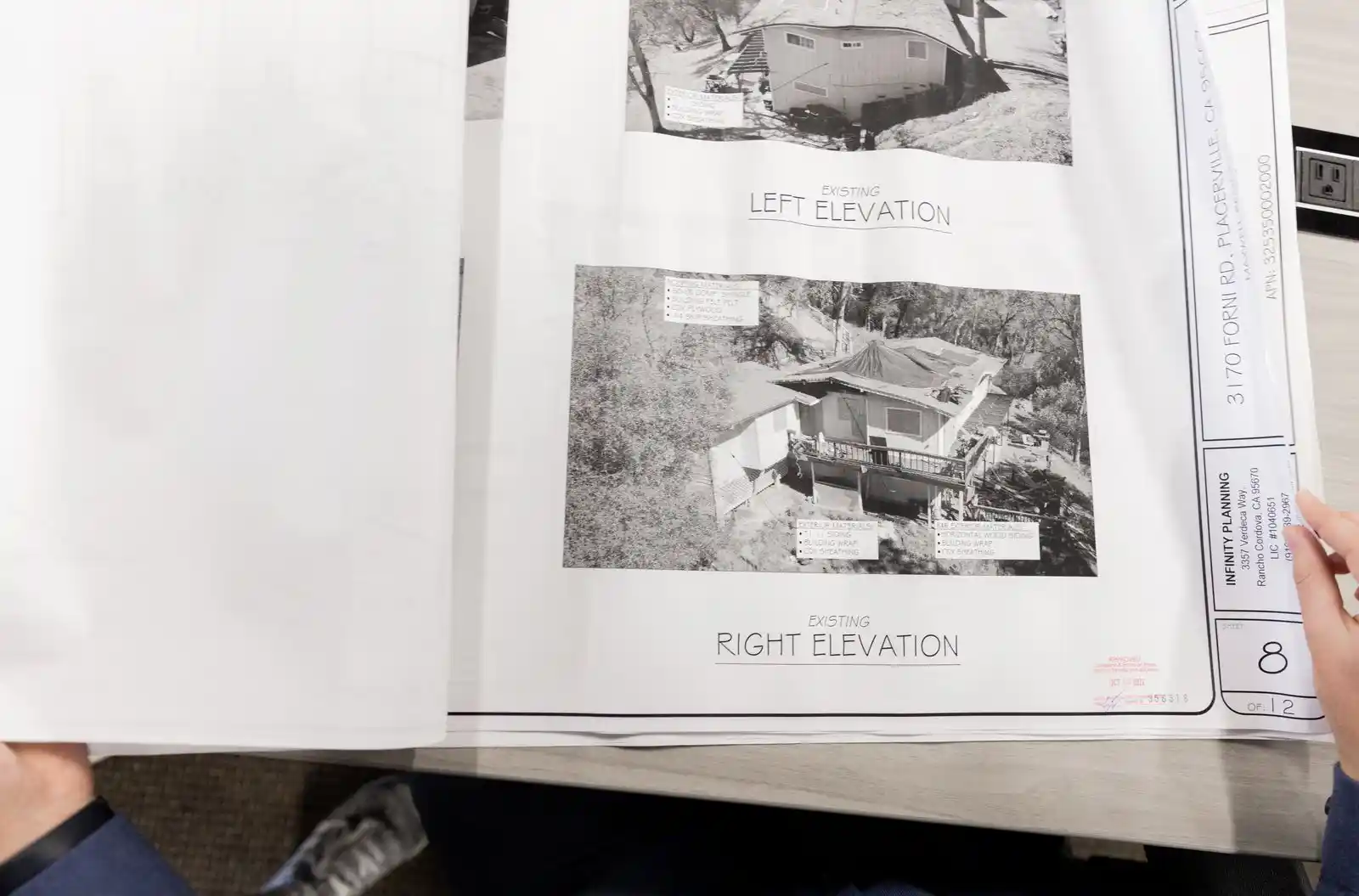
Original plans are evidence, not automatic approval. A fire-exposed foundation typically needs a licensed structural engineer to inspect and certify it before reuse; Spokane County requires exactly that. The local authority decides whether plans may be reissued during plan review. Even on the “same” house, changes in footprint, framing, load paths, energy systems, or current wildfire requirements can force revised documents before anything is approved. It’s an honest answer, not a promise of faster approval.
Who Should Get a Building Permit, and What’s in the Application?
A licensed California contractor (verify at CSLB) or a registered Washington contractor (verify active L&I registration) can get a building permit on your behalf, which puts the responsible person on the record. Be cautious if a contractor asks you to pull the permit, or to buy their Washington electrical permit, to keep their name off it. The permit documents who is accountable. Licensed contractors who handle fire rebuilds regularly know how to assemble a complete submittal the first time, and they understand when panel upgrades, new circuits, or other electrical work cross certain thresholds that require a building permit or separate trade permit.
A typical application includes:
- Proof of ownership and parcel information
- Damage assessment and debris or demolition clearance
- Site plan showing property boundaries, setbacks, utilities, footprint, and square footage
- Architectural plans and elevations
- Structural plans and calculations where required
- Energy-code documents and trade-permit applications
- Contractor license or registration details
What Commonly Delays a Fire-Rebuild Permit?
Most delays come from incomplete plan sets, unresolved debris clearance, a site plan that doesn’t match prior records, foundation assumptions without engineering, enlarging or moving the house or adding tenant improvements while applying as like-for-like, missing energy or fire-flow information, or starting construction work before required inspections. The permit is more than paperwork. Unpermitted work can block a future sale, complicate financing, and give an insurance company grounds to deny coverage. Project size and whether the job counts as new construction, structural modifications, or a straightforward residential rebuild all affect the permit process and sometimes bring additional fees.
How a Fire-Rebuild Contractor Helps, Without Replacing the Building Official
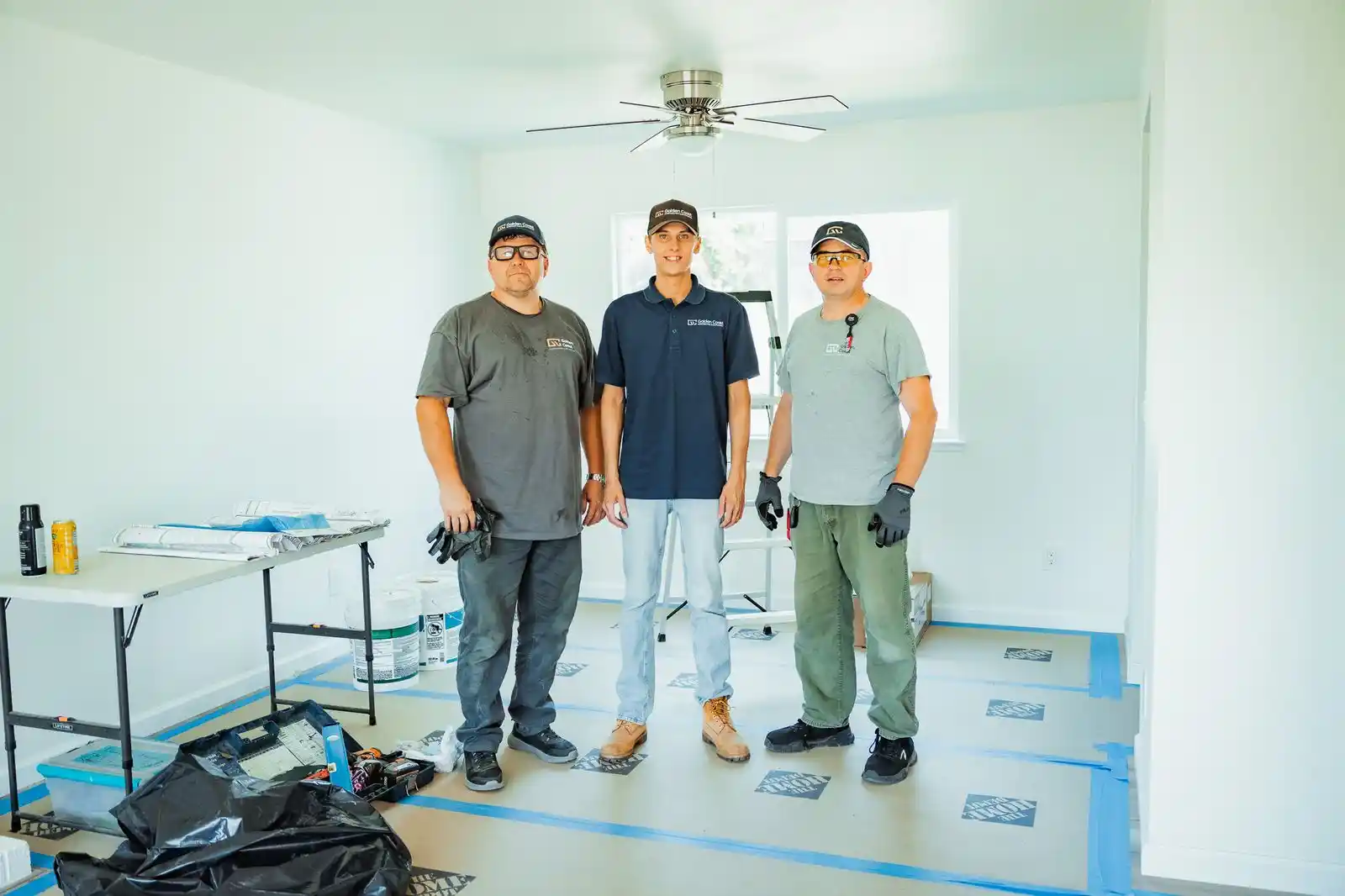
A specialized fire-rebuild contractor coordinates the homeowner, insurance adjuster, architect, structural engineer, environmental consultant, local permit office, trade subs, and inspectors, so the work stays documented and inspectable from demolition through final occupancy. Good contractors also schedule inspections at the right phases so the project doesn’t stall on the job site. Golden Coast Construction & Restoration is licensed and CSLB-verifiable (CSLB #838443) for California work, IICRC-certified, with a permanent Pasadena office, 24/7 emergency board-up, by-the-book milestone payments, and direct work with adjusters. For California property owners, two protections worth knowing: the three-day right to cancel and the 10% or $1,000 down-payment cap. An honest figure requires seeing the property; anyone quoting a firm price sight-unseen is a red flag, so start with an on-site assessment. For more detail, your city or county building department is the best source of building permit resources for your address.
Frequently Asked Questions
Do I need a permit to rebuild after a house fire? Yes, for major repair or full reconstruction. Emergency board-up and tarping may fall under emergency provisions, but that is not authorization to rebuild.
Do I need a separate demolition permit? Often yes. Some jurisdictions fold demolition into a same-footprint rebuild permit; others require a separate one. Debris and hazardous-material clearance usually comes first.
Can I rebuild on my old foundation or reuse my old plans? Only after a structural engineer certifies a fire-exposed foundation and the local authority agrees to reissue the plans. Current code may still force changes.
How much does a contractor charge to get a building permit, and how long does the process take? No single figure or statewide timeline is honest. Residential permits and building permit costs depend on project valuation and jurisdiction, and timelines depend on plan completeness and local backlog. An on-site assessment is the honest way to scope it.