Key Takeaway
Electronics can sometimes be saved after a house fire, but only if they were not powered on after exposure to smoke, heat, or water. Devices that escaped direct flame, stayed unpowered, and show no melted or swollen battery components are candidates for professional cleaning and testing. A contents restoration company evaluates each item individually using heat, soot, water, and power history before recommending cleaning, data recovery, or replacement.
Some can. A device that escaped direct flame and severe heat, and that nobody plugged in afterward, has a real chance of being cleaned, tested, and returned to service. Powering one on to find out is the most damaging thing you can do right now. This guide sorts each item into one of three outcomes without hurting your insurance claim. Electronics restoration is part of contents restoration, a separate job from rebuilding fire-damaged structure.
What to do with electronics right now after a fire

- Don’t re-enter until the fire authority or building official says it’s safe.
- Don’t turn on, charge, or plug in electronic devices exposed to smoke, heat, or water.
- Don’t touch or move a device whose battery looks damaged.
- Take pictures of items where they sit, if you can do it safely.
- Write down brand, model, serial number, room, and visible condition.
- Tell your adjuster before attempting any cleaning or discarding anything. The Red Cross advises keeping damaged goods until an inventory is taken.
- Flag anything holding irreplaceable files, photos, or documents.
Why electronics can look fine and still have smoke damage inside
Four things happen to a device in a fire, and only one of them is visible. Heat stresses solder joints, insulation, and plastics. Smoke particles and soot get pulled inside through vents and cooling fans, settling on circuit boards and connectors, and that residue can be conductive or corrosive. Firefighting water causes damage far from the flames, since a hose line on one floor can flood the room below. Foam and dry-chemical suppressant leave residue of their own. After an electrical fire, equipment on the affected circuit needs evaluation even where nothing burned.
NEMA’s guidance on evaluating fire- and heat-damaged electrical equipment (NEMA 70008-2026) is blunt: equipment exposed to heat and fire residue may be hazardous if re-energized without evaluation, even when the outside looks untouched. NFPA guidance says to disconnect power from wet or smoke-contaminated equipment, because energized circuitry makes the damage worse. So “it turns on” proves nothing. Visible damage tells you little about the condition inside the case, corrosion can surface weeks later, and thorough cleaning has to reach the internal components, not just wipe the shell.
Nobody can give you a universal salvage deadline. Stabilizing conditions promptly limits ongoing corrosion.
What determines whether electronics can be saved?

Severe damage announces itself: a melted case, charred wiring. The hard calls are the devices that look fine. Two identical TVs in one house can have different heat, soot, water, and power histories, which is why NEMA uses evaluation criteria instead of product lists. In many cases nobody can answer until the enclosure is opened. The table below is the framework professionals work from.
| Factor | Favorable for evaluation | Points toward replacement |
|---|---|---|
| Heat | No melting, warping, or burned insulation | Melted case, deformed parts, charred wiring |
| Smoke residue | Light soot on the exterior | Heavy residue inside the enclosure |
| Water exposure | No internal exposure | Residue in power supplies and other components |
| Power state | Off and unplugged throughout | Running during the fire, or switched on after |
| Battery | Cool and intact | Swollen, cracked, punctured, or leaking |
| Design | Enclosure opens for inspection | Sealed unit, no safe way to evaluate |
| Data | Cloud or offsite backup exists | Sole copy of irreplaceable files |
Three outcomes for electronics after smoke and water exposure
Most electronics can’t be judged from the outside, so contents restoration triages them one item at a time, on the same inventory that tracks upholstered furniture, kitchen appliances, and documents.
Outcome 1: cleaned, tested, and returned to service
A cleaning method matched to the device, controlled drying where water damage is found, then electrical-safety and functional testing before anything goes back in your house. A properly cleaned device still has to pass that testing; cleaning without testing is guesswork. Testing determines whether it’s safe to restore rather than replace, and cleaned items often sit in storage until the house is livable again.
Outcome 2: the hardware is replaced, but the data is saved
This is the outcome homeowners miss. Fortunately, data often survives hardware that can’t be repaired. A computer the insurance company writes off may still hold the only copy of your family photos and tax documents. Set it aside for a data specialist rather than the dumpster, and leave it unpowered. SWGDE guidance warns that drives exposed to fire or high temperatures should not be powered on even when the exterior looks fine, since heat above 150°F can deform the plastics inside. Insurance money replaces destroyed hardware; it doesn’t replace what was stored on it. Recovery isn’t guaranteed, and anyone who promises it hasn’t seen the drive.
Outcome 3: documented, replaced through the claim, and disposed of safely
Electronics that can’t be safely evaluated get photographed, inventoried, authorized by the adjuster, then routed to proper e-waste handling. We coordinate and document that process. Board-level repairs and cleanroom data recovery go to specialist professionals, not to us.
Fire-damaged lithium-ion batteries need different handling

Phones, laptops, tablets, cordless tools, e-bikes, portable power stations, and many smart-home devices carry rechargeable cells. EPA warns that batteries damaged by fire carry a heightened ignition risk and may reignite, vent hazardous gas, or explode after the original fire is out. Don’t charge or move one that looks swollen, cracked, punctured, or scorched, and don’t pull a battery out yourself. These never go in household trash or curbside recycling: use an e-waste, take-back, or household hazardous-waste program. Los Angeles County said the same after the 2025 wildfires.
How to document fire damage to electronics for an insurance claim
Record for each item: room, device type, brand, model, serial number, purchase date, any pre-loss photo or receipt, visible smoke and water exposure, whether it was running during the fire, whether anyone powered it on afterward, whether it holds important data, and the proposed disposition. That record protects your claim better than memory does.
Ask your adjuster two things: is this item cleanable, repairable, or a total loss, and is personal property covered at replacement cost or actual cash value? Insurers handle contents claims for homes and businesses the same way, item by item, whatever the size of the event. California readers can use the Department of Insurance Residential Property Claims Guide (revised February 28, 2025), which says plainly not to discard damaged items until the adjuster authorizes it.
What professional electronics restoration should include
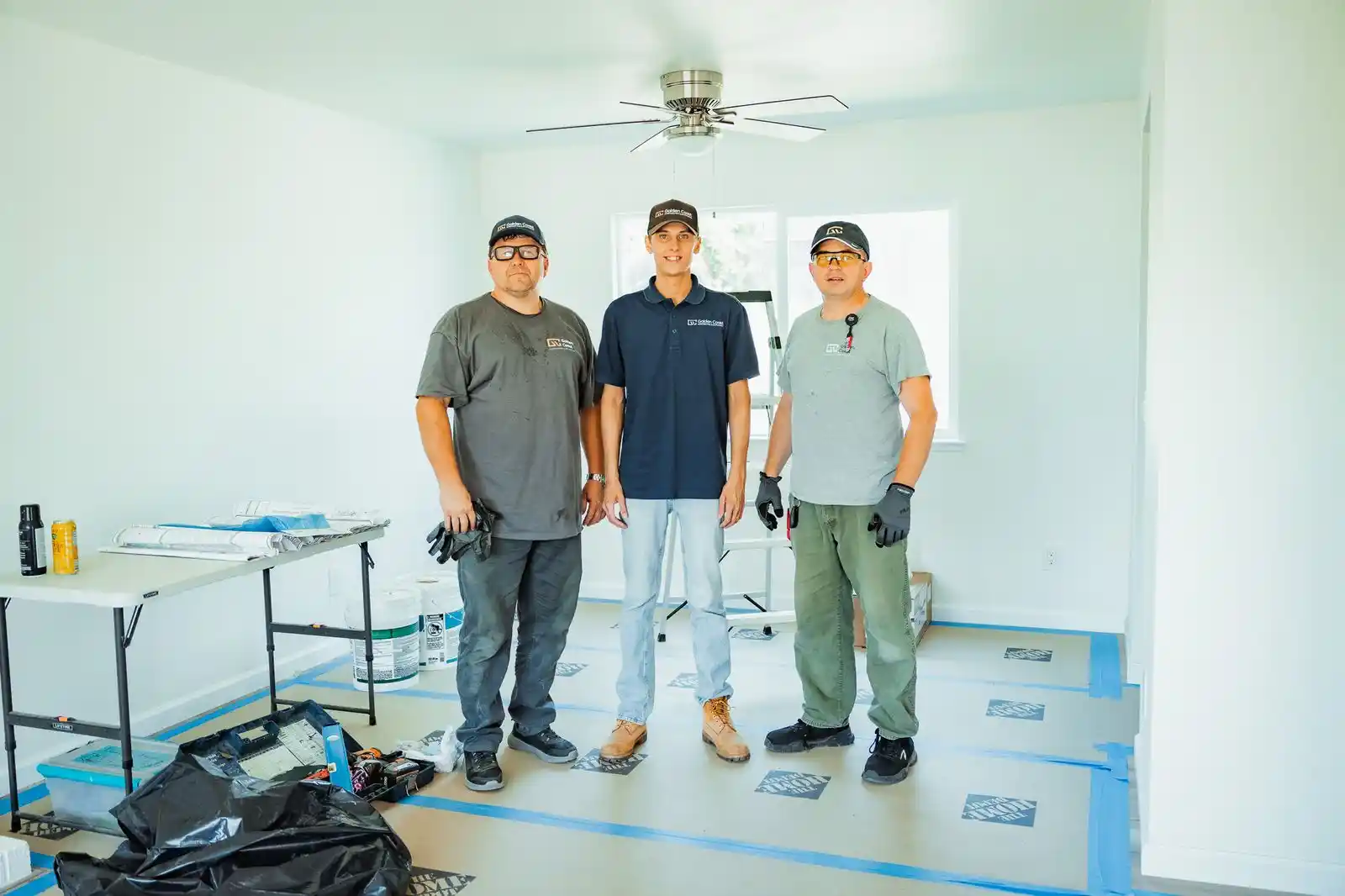
Judge the work by what you’re handed, not by the cleaning method:
- Itemized inventory with photographs taken before cleaning
- Inspection for direct heat damage and battery condition
- A cleaning plan matched to that device, since NEMA notes the wrong product used to remove soot can create new hazards
- Controlled drying where there was water exposure (NFPA annex guidance points to roughly 40% to 50% relative humidity to slow corrosive activity)
- Electrical-safety and functional testing, with results in writing
- A referral to data recovery professionals where warranted
- Secure storage in a controlled environment while your home is unlivable
- A written result for the adjuster on what we can restore and what to replace, plus documented data privacy and secure disposal
ANSI/IICRC S700 (First Edition, 2025) covers this kind of contents and residue assessment. It does not cover reconstruction. Repairs to framing, wiring, and finishes are a separate phase.
Getting an on-site assessment
A licensed fire damage restoration company documents your electronics alongside the rest of the loss and records the smoke, soot, heat, and suppression-water conditions the adjuster needs. Golden Coast Construction & Restoration is a licensed California General Contractor (CSLB #838443), IICRC-certified, with a permanent Pasadena office and 24/7 emergency board-up. We work directly with adjusters and bill on milestone payments.
Nobody can price this sight-unseen, and a firm quote without an inspection is a red flag. If you’re dealing with a fire claim in California, the law gives you a 10% or $1,000 down-payment cap, a three-day right to cancel, and the freedom to get three estimates. Use all three.
Frequently Asked Questions
What is salvageable after a house fire?
Whether professionals can restore an item depends on heat, smoke residue, water exposure, and power history. Electronics, furniture, appliances, and documents are triaged item by item, never by category.
Can smoke damage electronics in rooms the fire never reached?
Yes. Smoke travels, and cooling fans pull it into the equipment, so devices far from the flames still need evaluation.