Key Takeaway
Chimney fire damage can crack clay flue tiles, warp metal liners, and open mortar joints at temperatures near 2,000°F, but the critical question is whether that damage stayed inside the flue or reached the roof, attic, or walls. Keep the fireplace cold and schedule a certified inspection with an internal video scan before using it again. If heat, smoke, soot, or suppression water reached the structure, get a full fire-damage assessment, not just a chimney repair.
A chimney fire can crack clay flue tiles, open mortar joints, and warp or separate a metal liner. One California fire district notes these fires reach temperatures near 2,000°F. That heat opens paths for sparks, smoke and combustion gases to reach the roof, attic or walls, which is why the fireplace should stay cold until the whole system has been inspected, usually with an internal video scan. The real question isn’t how the chimney looks. It’s whether the damage stayed inside the flue or reached the house.
If it may still be burning: get everyone out and call 911. Fire can smolder inside a wall cavity for hours where it still finds oxygen, so don’t relight the fireplace once the crew leaves.
What damage can a chimney fire cause to the liner, chimney cap and masonry?

The damage lands on whatever was containing the fire.
| Component | Possible damage | Why it matters |
|---|---|---|
| Clay flue tiles | Cracks, displacement, collapse | Heat and gases can get past the flue |
| Metal liner or prefabricated chimney | Warping, buckling, open seams | May no longer contain combustion products |
| Mortar and bricks | Failed joints, cracks, loose sections | Weakens the chimney, opens heat pathways |
| Damper, chimney cap, flashing | Warping, heat discoloration | Signals extreme heat; rain can leak in |
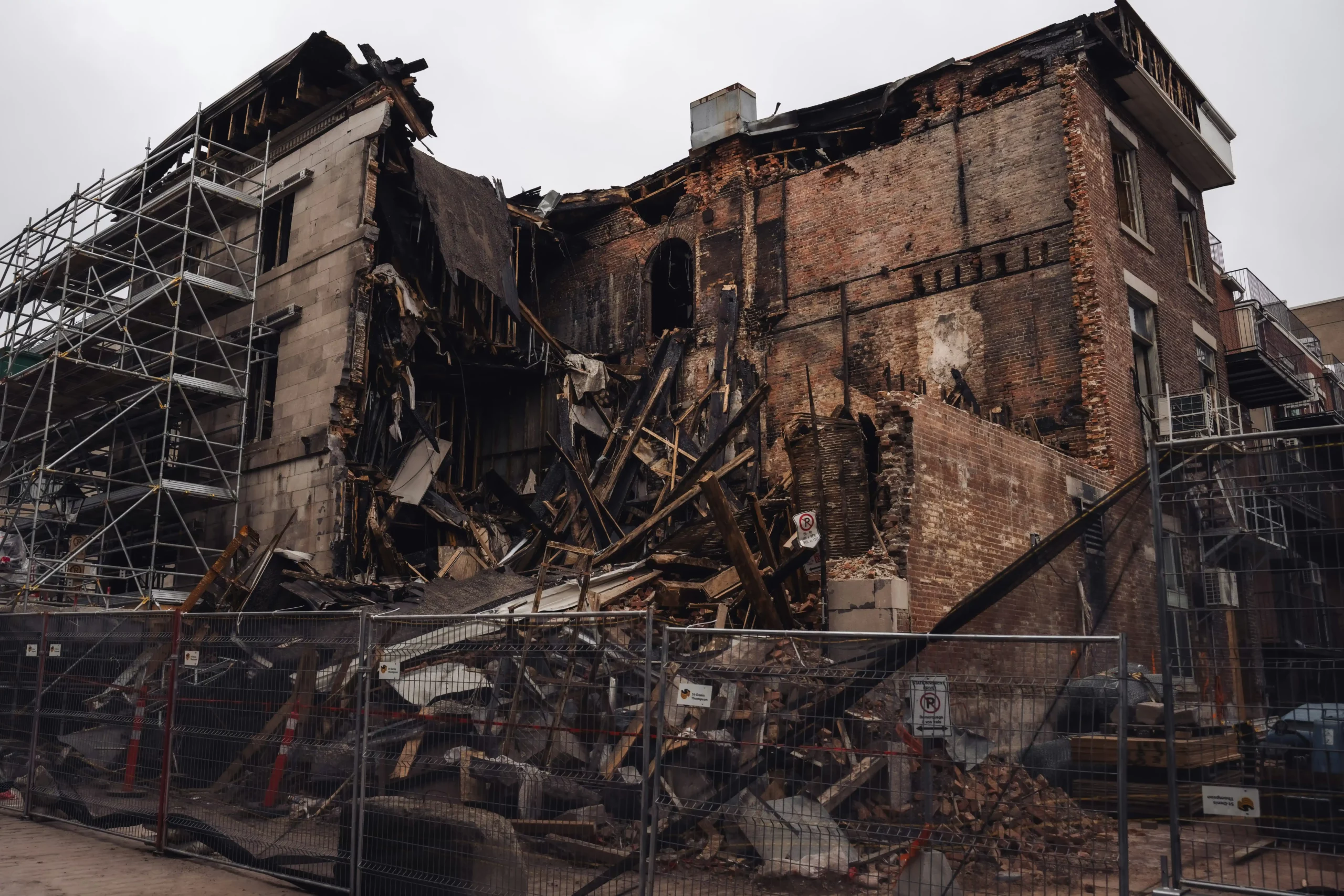
| Roof and framing | Scorching, ignition, hidden heat damage | A structural fire loss, not a chimney repair |
| Interior surfaces and contents | Smoke and soot residue | Needs fire-specific cleaning and documentation |
Signs of a flue fire when the outside looks fine
- Puffed or honeycombed creosote
- Tile fragments and debris in the firebox
- New cracks in the masonry or crown
- Warped or discolored metal at the damper or chimney cap
- A strong, unusual odor
- Scorched shingles near the chimney
- Dense smoke, roaring or popping you remember from the event
An intact-looking exterior rules out little. Damage inside the flue is rarely obvious from the firebox or from the roof. Some fires burn out on their own and only turn up at a later sweeping, which is why a chimney that looks fine from the driveway can be dangerous the next time you light a fire.
What to do after the fire department leaves

- Don’t relight the fireplace. A wood stove or insert sharing that flue stays out of service too.
- Never pour water into a hot flue or firebox. Rapid cooling cracks heated masonry.
- Request the fire department incident report.
- Notify your insurance company and start a log of calls.
- Photograph everything before sweeping removes the evidence.
- Book an inspection with a certified chimney sweep who runs an internal video scan, and ask for the images and a written report.
- Make only necessary temporary repairs. The California Department of Insurance advises against extensive permanent work before the insurance adjuster inspects.
Did the damage stay in the chimney, or reach the house?
Likely a chimney-only scope: burning creosote that stayed inside the flue, liner damage, a damaged cap or damper, localized masonry cracks, and no smoke, soot, heat or water anywhere else.
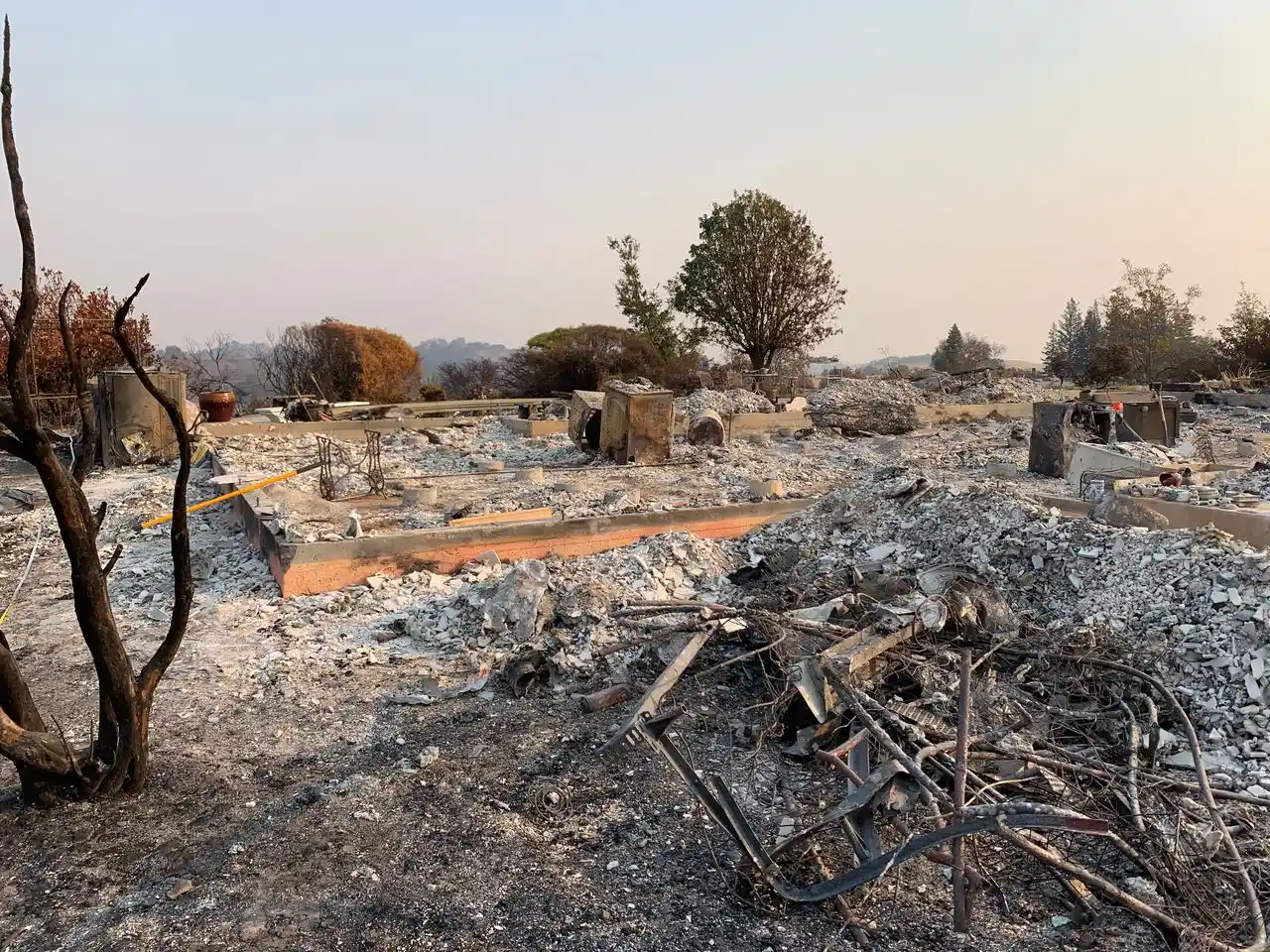
Broader fire loss: scorched roof or framing, soot in rooms, the attic or HVAC pathways, damaged insulation, drywall or wiring, walls opened by firefighters, or suppression water inside building assemblies.
If everything points to the first list, a qualified chimney professional may be all you need. We’ll say that plainly. If anything from the second list is present, get a fire-damage assessment of the structure. Warped liners and cracks don’t close up when the chimney cools, and water trapped in wall cavities is its own problem, because mold can begin within 24 to 48 hours.
Repair, restoration, or reconstruction

Repair means correcting one part of the system: liner, smoke chamber, cap, damper, or the connector pipe from an appliance. Fire restoration means soot and smoke cleaning, contents salvage, drying suppression water, and repairing affected finishes. Reconstruction means rebuilding structural portions of the chimney, roof, wall or home. A warped liner is usually replaced rather than patched, and a permit may be required to install a new one. Different scopes, and they shouldn’t be swapped on one contract. Golden Coast is a licensed fire restoration and reconstruction contractor; we don’t sell chimney sweeping.
Is chimney fire damage covered by homeowners insurance?
California Department of Insurance guidance identifies fire and smoke as perils generally covered by homeowners policies, while wear and tear, maintenance problems and neglect are generally excluded. Coverage turns on cause, timing, policy language and evidence. Inspection and sweeping records help show the loss was sudden rather than years of deterioration, so keep the receipt each time. Ask your insurer to put any claimed exclusion in writing.
California and Pasadena: what protects you when you hire
A CSLB license is required when a permit is needed, other workers are used, or the job totals $1,000 or more in labor and materials. CSLB calls for a written contract on home improvement work over $500, caps the down payment at 10% of the contract price or $1,000 (whichever is less), and says progress payments shouldn’t exceed work completed or materials delivered. You generally have three business days to cancel, five if you’re 65 or older, and seven for declared-disaster repair contracts. Get more than one written estimate, and slow down if anyone quotes a firm price sight-unseen or pushes you to sign today. Pasadena’s Building & Safety Division sets the permit and engineering requirements.
Most chimney fires are preventable: sweeping, liners and dry wood
These habits greatly reduce the risk, more than any product sold for chimney safety.
- Have the flue, fireplace, wood stove and vents inspected at least once a year.
- Sweep a masonry chimney at 1/8 inch of sooty buildup, sooner if creosote is glazed.
- Burn firewood below 20% moisture, seasoned at least six months (EPA guidance).
- Keep the air control open and don’t overload the firebox. Creosote forms faster when a fire is starved of air and the flue runs cool.
- Skip chemical cleaning logs as a substitute. They can’t tell you whether a liner is cracked, blocked or separated.
Frequently Asked Questions
Is chimney damage covered by homeowners insurance?
Sudden fire and smoke damage is commonly covered. Damage blamed on neglected maintenance may be disputed, so your inspection history matters.
What is the most common cause of chimney fires?
Creosote buildup igniting inside the flue. Wet wood, restricted airflow and a cool flue all speed that residue along.
How common are chimney fires?
NFPA’s December 2022 heating report estimates about 13,120 confined chimney or flue fires per year, plus roughly 3,010 additional home fires involving a fireplace or chimney. Those are 2016 to 2020 annual averages.
Do I need a chimney sweep or a restoration contractor?
Sometimes both. A certified sweep handles the flue and its components. A licensed restoration contractor handles smoke, soot, suppression water and extensive damage beyond the chimney itself.
When the damage goes past the chimney
If it stayed in the flue, call a qualified chimney professional. If heat, smoke, soot or suppression water reached the roof, attic, walls or living space, an on-site assessment sorts what can be cleaned from what has to be reconstructed. Golden Coast Construction & Restoration works from a Pasadena office serving Southern California, is IICRC-certified, and is licensed under CSLB #838443, verifiable through CSLB’s license lookup. We provide 24/7 board-up when a fire opens a roof or wall, send documentation straight to your adjuster, and tie payments to completed milestones with QA inspections along the way.