

Key Takeaway
Commercial reconstruction after fire is the permitted rebuilding phase that begins only after scene release, structural assessment, and smoke, soot, and water mitigation are complete. It involves building permits, licensed trades, and code compliance, not simply replacing what burned. California contractors must hold a current CSLB license for work totaling $1,000 or more, and the 2025 Building Standards Code took effect January 1, 2026.
Commercial reconstruction after fire is the permitted rebuilding phase that begins once the property is secured, the fire investigation and damage assessment are complete, and smoke, water, and hazardous-material conditions have been addressed. It is a coordinated safety, insurance, code, and business-continuity project, not simply putting walls back where they were. If you own or manage a building with commercial fire damage, this is the calm, ordered roadmap: what happens before rebuilding can start, how the pieces fit together, and how to get your operations to a safe, approved reopening.
Restoration vs. Reconstruction: Why the Difference Matters
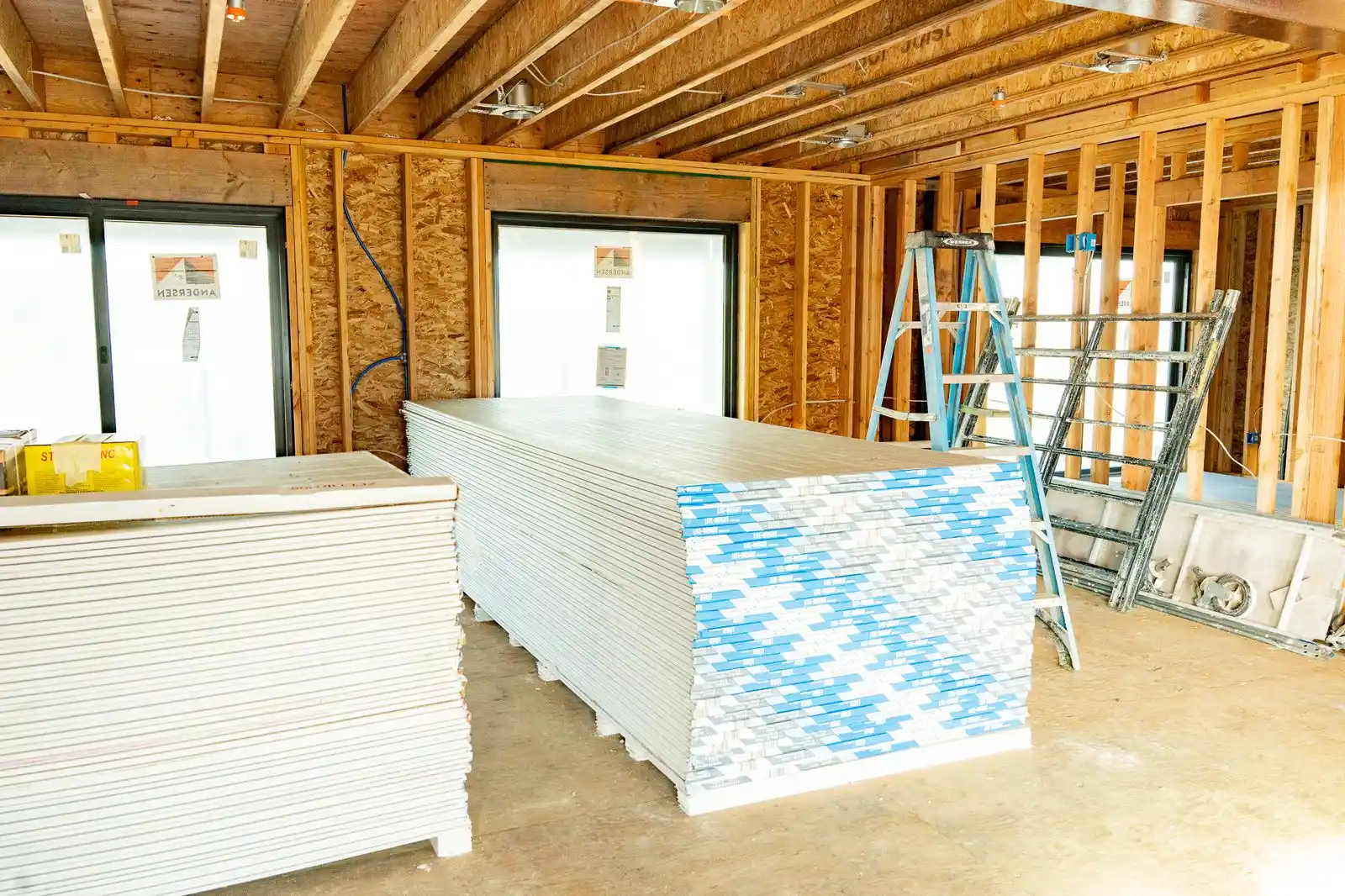
These are two separate scopes, and blurring them causes real problems. Restoration (also called mitigation or remediation) protects and salvages what can be saved. Reconstruction replaces what can’t safely remain. Commercial fire damage restoration handles cleanup and salvage; reconstruction handles the permitted rebuild.
| Restoration / Mitigation | Reconstruction |
|---|---|
| Board-up, drying, soot removal and smoke-residue cleanup, odor work, contents salvage | Permitted structural repairs and building work, repairs to load-bearing assemblies |
| IICRC standards may apply (S700, first edition 2025) | Building codes, permits, licensed trades, and inspections apply |
| Can begin during early stabilization | Begins after assessment, scene release, scope, and remediation |
IICRC S700 covers the fire-and-smoke restoration process. It explicitly does not govern the permitted rebuild. The rebuild answers to building, fire, electrical, accessibility, and other codes.
What Must Happen Before Demolition or Rebuilding Starts
A restoration company shouldn’t start pulling structural debris just because insurance claims are open. Several things come first:
- Authorities permit entry. OSHA advises not re-entering an evacuated building until the fire department or other authorities allow it.
- The fire scene is investigated and released. Don’t discard damaged equipment, wiring, appliances, inventory, or debris that may matter to cause-and-origin (NFPA 921, 2024 edition) until the fire department releases the scene along with your insurance company and any investigator. This matters when subrogation or product failure is in play.
- The site is secured and temporarily stabilized. OSHA requires an engineering survey by a competent person before demolition, with bracing or shoring where fire has caused structural damage.
- Utilities are controlled and hazardous materials addressed to prevent further damage during cleanup.
- Damage in the affected areas is photographed and mapped for the claim before anything is disturbed, since debris removal can erase evidence.
Smoke, Soot, and Water: The Fire Damage Cleanup Phase That Comes First

This is the mitigation scope, part of fire recovery, not the rebuild. Smoke travels well beyond the burn area, and smoke particles and soot settle into walls, electrical systems, HVAC systems, and ventilation systems, affecting air quality across the property. When a commercial fire affects a building this way, firefighting efforts and sprinkler systems discharge create a separate water removal and drying requirement. Smoke damage is often worse than the visible char, which is why thorough commercial fire damage repair starts with cleanup before any reconstruction, and why smoke odor needs immediate attention.
EPA guidance says wet materials should generally be dried within 24 to 48 hours to limit mold growth. Treat that as a prevention window, not a guarantee. Where smoke reaches the ductwork, HVAC assessment (IICRC S590, 2023) may be warranted to confirm the system is functioning properly again. Moisture readings and drying records should be complete before new assemblies conceal the structure, because water damage left unresolved extends downtime and invites secondary problems in the building.
The Commercial Fire Damage Restoration Process, Step by Step
Commercial fire damage dealing follows a sequence, and a clear recovery process keeps each stage accountable:
- Initial assessment and multidisciplinary review, often a structural engineer working with the restoration team.
- Restoration and reconstruction scopes separated so each is clear.
- Insurance scope reconciled with owner decisions and the needs of business operations.
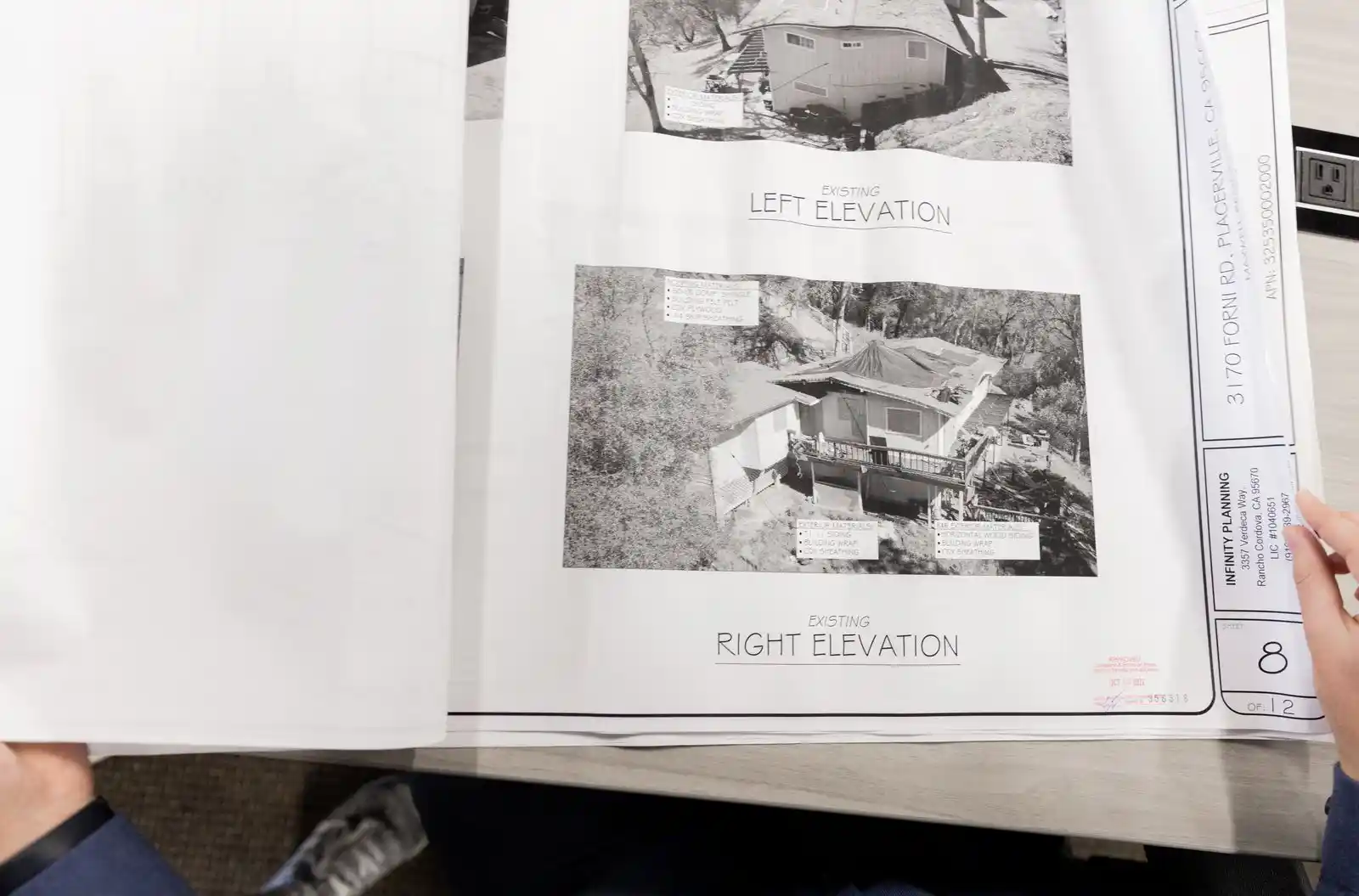
- Architectural and engineering documents prepared; code, accessibility, fire-protection, and occupancy requirements reviewed.
- Permits and plan review.
- Selective demolition and hazardous-material abatement.
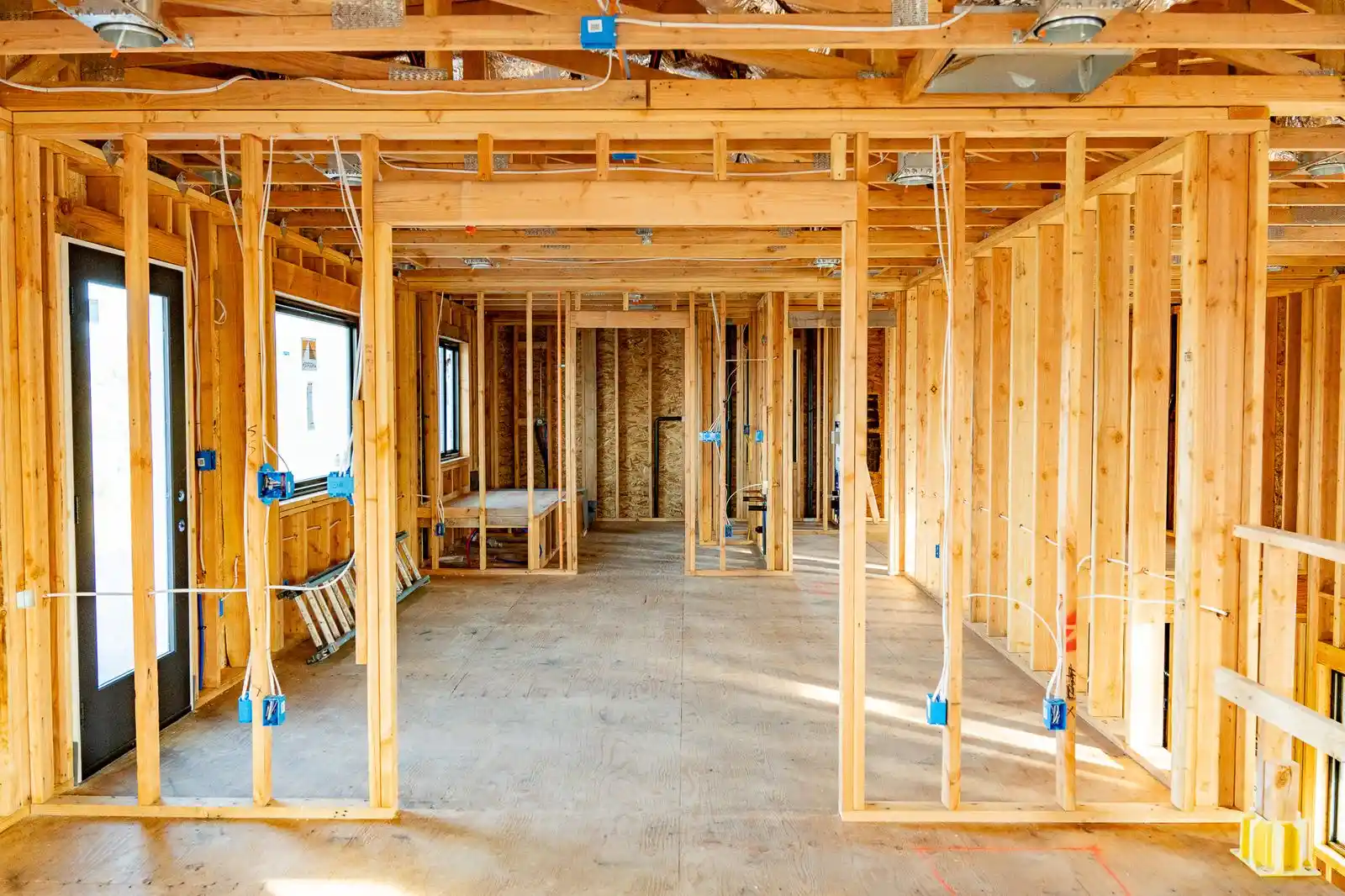
- Structural rebuild, then electrical, plumbing, mechanical, HVAC, fire-alarm, and sprinkler repairs and work.
- Interior assemblies and finishes, then testing, inspections, punch list, and closeout.
While the building is being rebuilt, NFPA 241 (2027 edition, confirm your local adoption) covers fire safety during construction: keeping usable exits, controlling hot work, and protecting occupied areas so recovery doesn’t create new risk.
Repair, Partial Rebuild, or Demolition: Who Decides?

That decision comes from inspected conditions, engineering judgment, code officials, the insurer’s scope, and your objectives. There is no universal “50% rule” that triggers a commercial total loss, and you shouldn’t trust anyone who cites one. Heat affects wood, steel, concrete, connections, fire-rated assemblies, and wiring differently, which is exactly why a proper assessment, not a guess, answers the fear that fire damage is worse than it looks.
Business Interruption: Can a Business Stay Open During Reconstruction?
Sometimes, and sometimes not. Whether part of the property can stay open depends on conditions and official approval, so no one should promise phased occupancy up front. Business interruption is a real cost, and the factors that drive the decision include:
- Structural separation between damaged areas and intact ones
- Shared utilities and HVAC
- Safe, code-compliant exits
- Working fire-protection coverage
- Dust and contamination containment
- Noise, access, and construction traffic
- Fire and building department approval; employees and tenant safety
Temporary relocation of the business may be needed. Clear timeline communication keeps employees, tenants, and lenders informed as recovery progresses, and a rapid response early on helps minimize downtime.
How Insurance Affects a Commercial Fire Rebuild

Report the loss to your insurance company promptly, document the property damage and any visible damage, and keep records of expenses. A commercial insurance policy carries distinct provisions that shape the rebuild, and it helps to know them before the claims process sets the scope:
- Building coverage versus business personal property (inventory, furniture, non-permanent equipment)
- Replacement cost versus actual cash value
- Ordinance-or-law coverage, which can address code-required upgrades, demolition, and undamaged portions
- Business income versus extra expense, and loss of rents
- Builder’s risk during the rebuild, plus tenant improvements, coinsurance, limits, deductibles, and lender involvement
Don’t assume insurance pays for everything. Review your declarations with your broker and adjuster. Written change orders keep the construction scope and the claim aligned as conditions surface.
What Protects Business Owners When Disaster Strikes and You Choose a Contractor
The right contractor protects you on the merits. Look for a licensed professional who can show:
- A current license with the correct classifications
- Verified general liability and workers’ compensation
- Relevant commercial fire-loss experience
- A written scope tied to inspected conditions, with a clear split between restoration and reconstruction
- Defined milestones and payment schedule, written change orders, and named responsibility for permits and inspections
- Documentation shared with you and your adjuster, milestone QA inspections, and a complete closeout file
Two warning signs: a firm price or timeline quoted sight-unseen, and “sign by Friday” pressure. Neither belongs in an honest proposal. The goal is to restore the property to its pre loss condition, including heavily damaged items that can be salvaged, and to confirm every system is working before you reopen.
For California Commercial Property Owners

In California, a contractor must hold a current CSLB license when the work needs a permit, uses employee labor, or totals $1,000 or more in combined labor and materials (that figure is a licensing trigger, not a price estimate). A B General Building contractor can supervise multiple trades, but specialty work such as C-16 fire protection or asbestos abatement must be properly licensed or subcontracted. California’s 2025 Building Standards Code took effect January 1, 2026, and Pasadena adopted it with local amendments. Verify any license on the official CSLB lookup before signing. Residential down-payment and cancellation rules don’t automatically apply to a commercial contract.
Talk to a Team That Can Handle Fire Damage Start to Finish
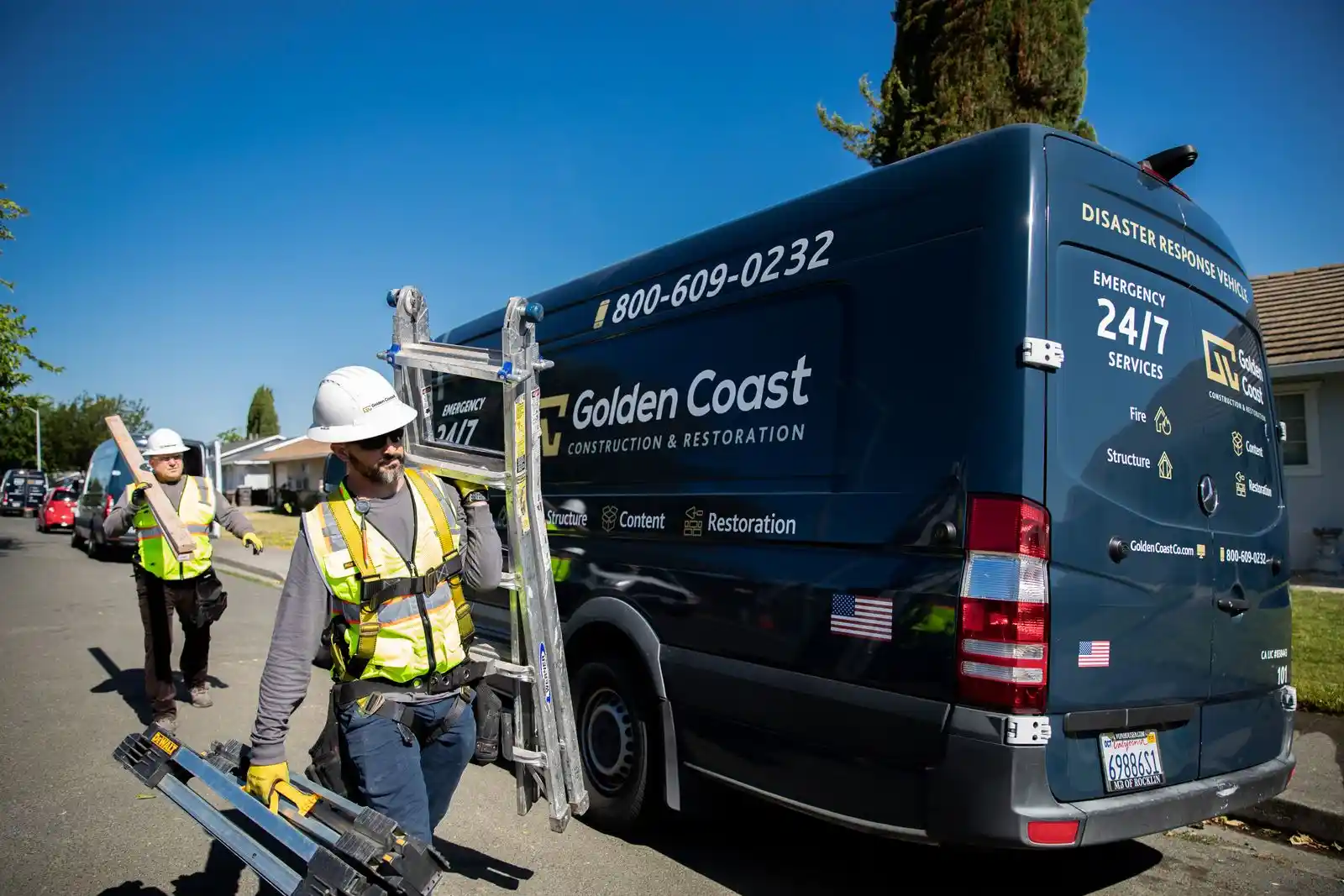
An honest scope and figure for your specific building require an on-site assessment. Anyone quoting firm cost or duration without seeing the commercial property is a red flag. Golden Coast Construction & Restoration is a California General Contractor (CSLB #838443), IICRC-certified for the restoration phase, with a permanent Pasadena office and 24/7 emergency board-up through full reconstruction. We work directly with insurance adjusters, test for asbestos and lead where warranted, and run by-the-book milestone payments, QA inspections, and signed completion documentation. A specialized licensed restorer carries code-compliant repairs and proper documentation that match your restoration needs in a way a handyman or a solo effort usually can’t, which helps business owners get back to normal operations sooner.
Frequently Asked Questions
What’s the difference between remediation and reconstruction?
Remediation (restoration) cleans, dries, and salvages what can be saved. Reconstruction is the permitted rebuild of what can’t safely remain. Different standards, different trades.
What are the fire code requirements for commercial buildings?
They depend on occupancy, damage, and proposed work. Existing-building, fire, electrical, accessibility, and sprinkler/alarm provisions are determined by the local authority having jurisdiction, not one fixed rule.
How long does commercial fire damage restoration and reconstruction take?
There’s no honest universal answer. It depends on scene release, engineering, permits, material lead times, hazardous materials, and inspections. A credible contractor gives a timeline only after an on-site assessment.
How much do restoration companies charge?
No honest figure exists sight-unseen. Costs vary by scope, damage, code upgrades, and property. Anyone quoting a firm price without an inspection is a red flag.