


Key Takeaway
A demo permit is required in Pasadena before removing any building, structure, or portion of one after a fire – you must obtain it from the City’s building department, not from South Coast AQMD. The permit confirms hazards are addressed, utilities are protected, and debris is documented. An asbestos survey and AQMD notification are also required before demolition can begin, even when no asbestos is found.
Yes. In Pasadena you need a demolition permit before removing a building, a structure, or any portion of one, and that permit comes from the City, not from South Coast AQMD. If a fire has damaged your home and someone is talking about tearing out part of it, this is the step that protects you. Below, we walk through what a demo permit covers, what Pasadena requires, and how the permit process fits into fire recovery. If you live outside Pasadena, the same general ideas apply, but check your own city or county building department, because the details change by jurisdiction.
What a Demo Permit Is, and What It Protects
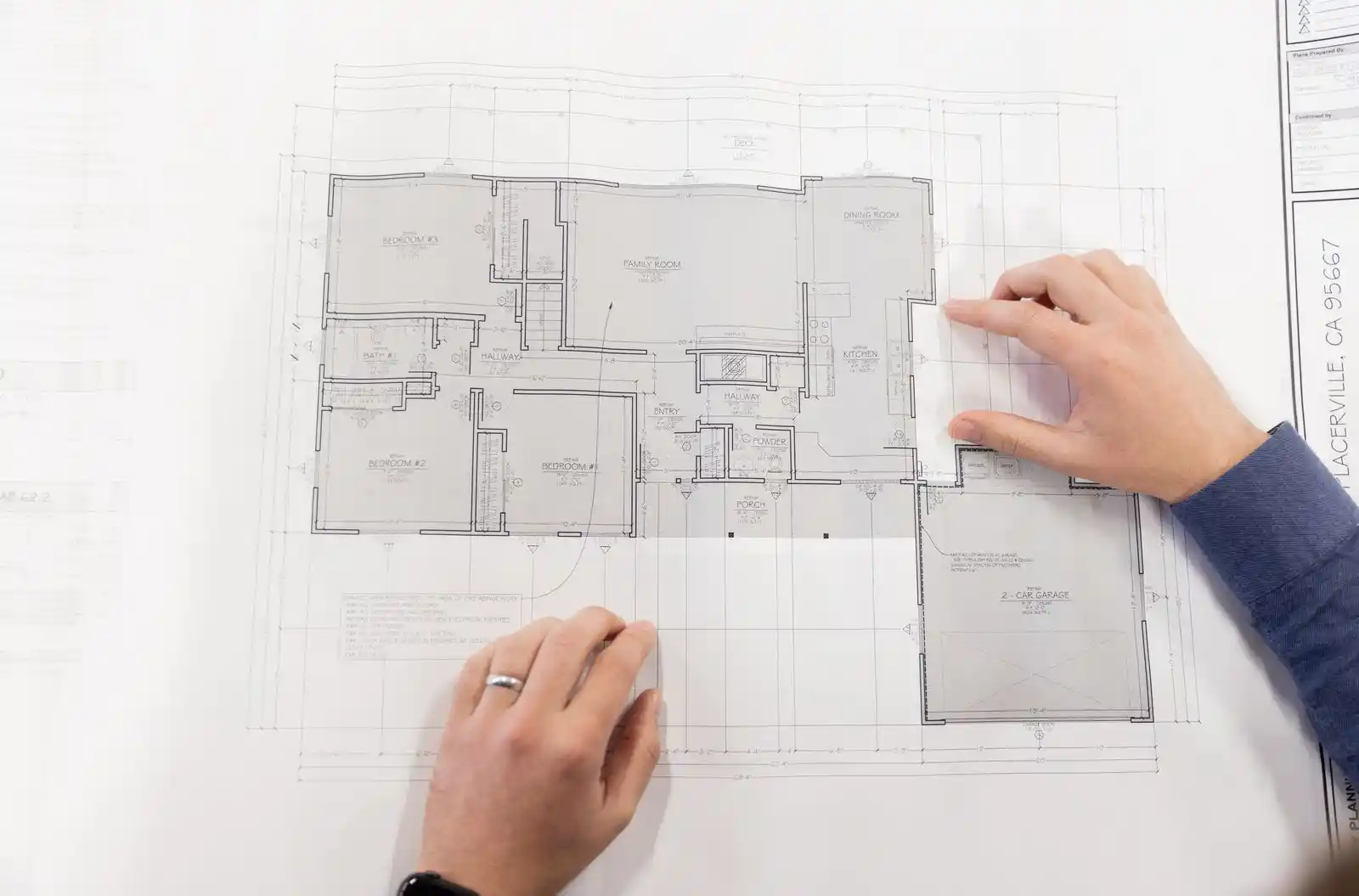
A demolition permit (people often shorten it to “demo permit”) is official authorization from your local building department to remove all or part of a structure. California’s rule is straightforward: a building can’t be demolished without a permit from the local building official. The CSLB confirms that. Whether the work is residential demolition of a single-family home or commercial demolition of a larger building, the permit is the gatekeeper.
The permit is the checkpoint that confirms the structure has been assessed, hazards are handled, utilities are protected, and debris is documented. It’s not just a signature to begin swinging a hammer. Each structure needs its own permit. Skipping the demo permit can mean fines, stop-work orders, and delays that stall your rebuild.
What Counts as Demolition in Pasadena?
Pasadena Municipal Code Chapter 14.03 makes it unlawful to demolish a building, a structure, or a portion thereof without first getting a permit. That wording matters. Partial and interior structural work on a residential property can trigger the requirement, not only a full teardown. See Pasadena Municipal Code, Chapter 14.03.
Cosmetic cleanup isn’t automatically structural demolition. But once you’re removing structural material, assume the demo permit applies and confirm the scope with the City. How “demolition” is defined in the code shapes which jobs are required to get a permit.
Restoration vs. Rebuilding vs. Demolition

These three get blurred constantly, and the confusion causes real problems. Restoration is cleaning, drying, salvage, and repair of what can be saved. Demolition is the authorized removal of structural material. Rebuilding (reconstruction) is the new construction after major or total loss. Different scopes, different plans, different permits. Keeping them straight helps everything that follows make sense.
What Should Happen Before Starting Demolition?
After a fire, the order of operations matters. A workable process:
- Secure and stabilize the site (emergency board-up, temporary shoring).
- Document the damage to the existing structure for your insurance claim.
- Get a structural assessment.
- Get a hazardous-material assessment.
- Confirm the scope with Pasadena Building & Safety.
Emergency board-up and shoring are not the same as approval for demolition activities. Stabilizing a falling hazard keeps people safe; it does not authorize structural teardown. For more on building a claim record, link to our guide on what to document before a demolition project.
The Pasadena Demolition Permit Application Process: Required Information and Site Plan

Under Chapter 14.03, the application process requires or may require the following. These are the core requirements the City reviews before permit issuance:
- A permit application with plans.
- A demolition plan and site plan showing the scope of work.
- The legal description and address of the property.
- A construction fence, if the building official directs one.
- Water service kept available during demolition for dust control.
- Written notification to utility companies.
- A permit to cap sewer and drain connections, with inspection of the caps.
- Separate permits for removing or filling a basement, sump, or depression, and a grading plan where it applies.
- Owner and contractor authorization documents.
The demo permit is not issued until these required items are complete and the plans are approved. If your submission is missing information, the City will tell you what to add before the permit process moves forward. Different cities handle the submit-and-review steps their own way, so additional requirements can apply elsewhere.
Asbestos and Hazardous-Material Requirements
South Coast AQMD administers the asbestos survey, notification, and work-practice rules under Rule 1403. It does not issue your demolition permit. A few points that trip people up:
- An asbestos survey is required before demolition regardless of the building’s age. Newer homes are not exempt.
- Notification is required for all demolitions, even when the survey finds no asbestos.
- Standard advance notification is 10 working days, or 14 calendar days, before demolition, which allows time for a possible site inspection.
California Health and Safety Code section 19827.5 bars the City from issuing the demolition permit until it has the asbestos notification letter or applicable declaration. After a fire, firefighting itself is exempt from advance notice, but once the immediate danger passes, the property must be secured, surveyed, and possibly abated before demolition continues. This matters for both homes and commercial buildings. AQMD is clear that removing remaining load-bearing walls or foundations after a fire counts as demolition. See the Rule 1403 FAQ.
Do You Need a Rebuilding Permit First?
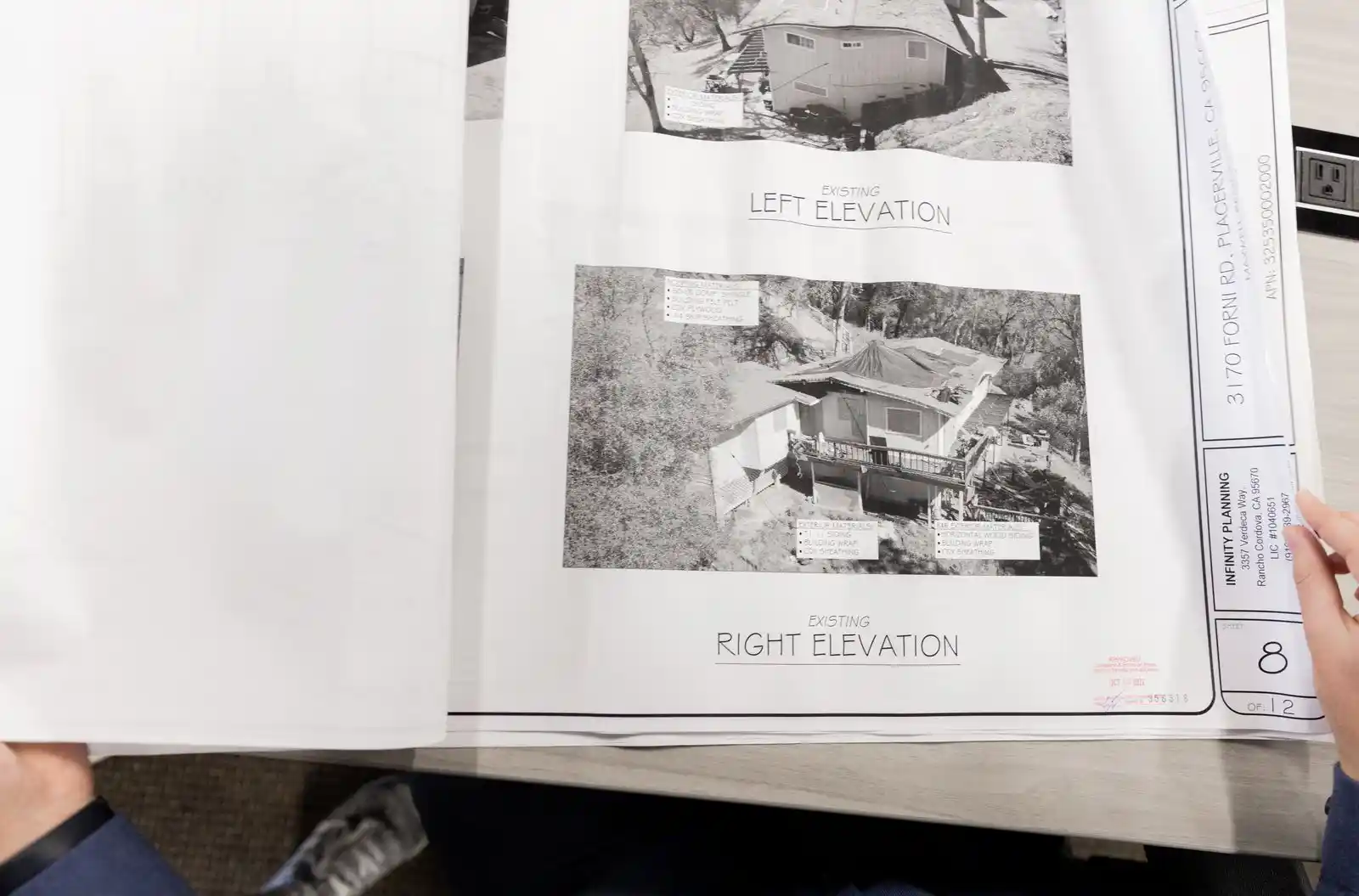
Often, yes. Pasadena zoning (§17.62.100) generally prohibits a demolition permit for a primary structure until a building permit has been approved for the replacement project. The right answer depends on your project type. Relief may be available through a review process. Unsafe-building, public-safety, and disaster situations call for project-specific direction from the City, so confirm your case before you assume either way.
Historic Homes and Landmark Districts
If your home is a designated historic resource or sits in a landmark district, a Certificate of Appropriateness may be required before a building permit is issued. Fire damage doesn’t automatically erase historic review. A limited public-safety exception exists, but it’s restricted to work necessary to protect the public. See Pasadena’s historic preservation page.
What Happens After Permit Issuance?

Once the permit is in hand, the work still has to follow the rules: site controls and dust suppression, inspections of utility and sewer caps, and authorized hauling and disposal. Pasadena treats every demolition project as a covered construction-and-demolition waste project. You upload weight tickets to the City’s tracking account, and at least 75% of covered materials must be diverted from landfills (Pasadena C&D Recycling). Demolition work must commence within one year of issuance, with one extension of up to 180 days generally available. A final inspection and closeout records complete the file.
Who Should Pull the Permit?
Your contract should state clearly who pulls the permit. The contractor should hold the appropriate active California license, which you can verify through CSLB. Keep copies of every submission and approval yourself. Pulling a permit does not transfer all responsibility away from property owners, so your own records matter. The City can also provide instructions and status updates as your review moves along.
Contract Protections Every Fire-Recovery Homeowner Should Know
A few protections are worth knowing before you sign anything:
- A written scope with clear permit responsibility.
- Milestone payments that track completed work, not money paid up front.
- California’s down-payment cap: 10% of the contract or $1,000, whichever is less.
- Cancellation rights: generally 3 business days, 5 for buyers age 65 or older, and 7 business days for contracts to repair or restore residential property damaged in a declared disaster (CSLB).
If anyone pressures you to “sign by Friday,” treat it as a red flag. The disaster already created the urgency; a good contractor won’t add to it.
How Golden Coast Construction & Restoration Can Help
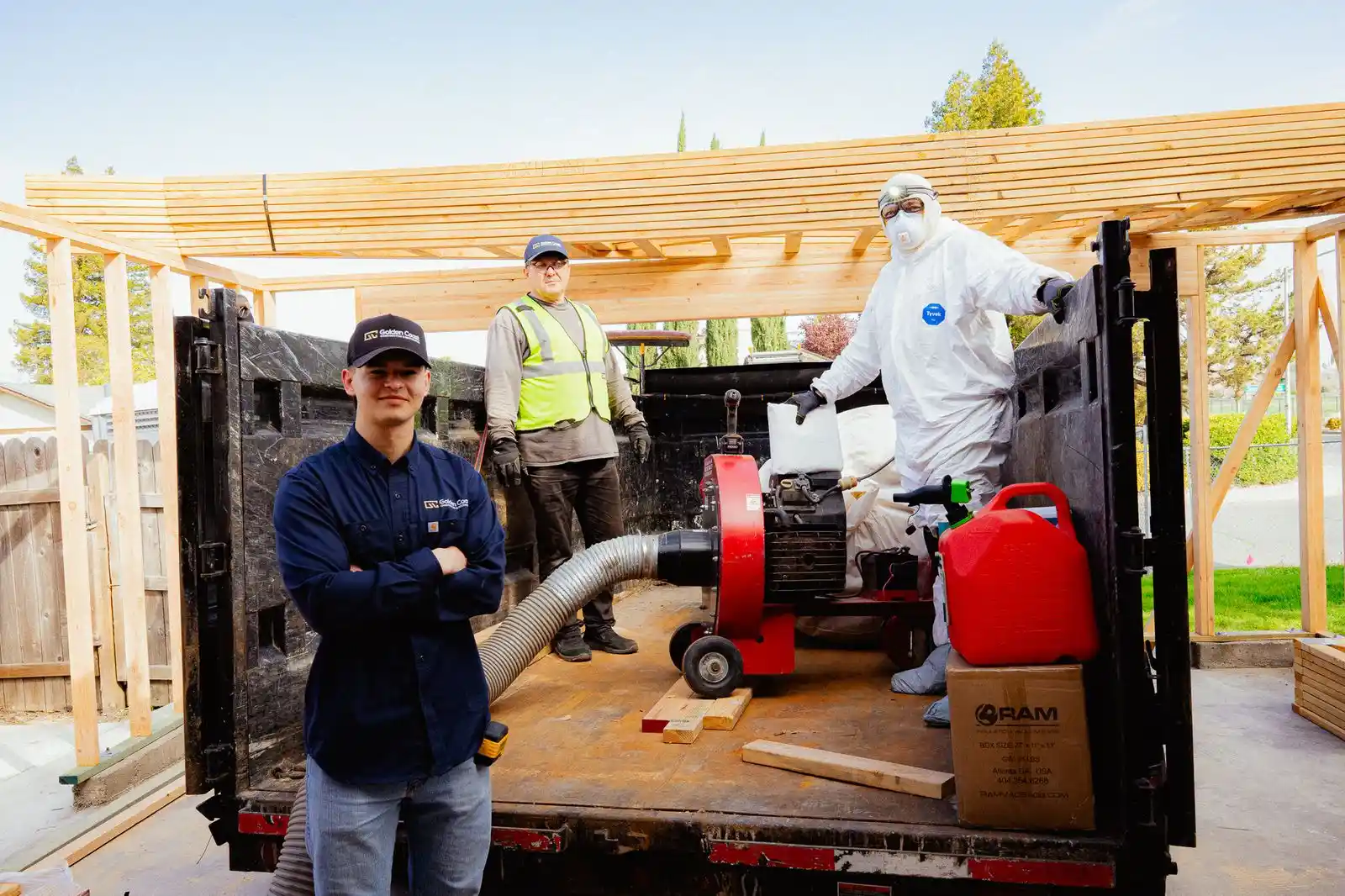
We work in fire recovery only, from emergency board-up through permitted reconstruction, with one contractor across the whole project. We keep a permanent Pasadena-area office with 24/7 emergency board-up. We’re a California General Contractor, CSLB #838443 (verify current status on CSLB), and IICRC-certified. We handle hazardous-material testing where warranted, work directly with insurance adjusters, run QA inspections at milestones, and provide a signed certificate of completion with by-the-book milestone payments. We can also assist you in reading the demolition plan and compliance steps so your intent is clear before you obtain the permit.
A fire-damaged structure can involve load paths, asbestos, contaminated debris, and utility hazards, plus the documents your claim and your future rebuild permit will rely on. A handyman may remove finishes, but that’s a different job. If you want a clear read on your property, contact us to request an on-site assessment. You can reach us by phone or online. We can’t honestly quote a price sight-unseen, and neither should anyone else.
Frequently Asked Questions
What is the cheapest way to demolish a house?
Cost depends on size, access, hazardous materials, and disposal, so the only honest figure comes from an on-site inspection. Anyone quoting a firm price sight-unseen is a red flag. The permit fee typically scales with project size and covers plan review, permit issuance, and inspections, and the required asbestos survey is a real cost item. Cutting corners on permits or asbestos risks fines and delays that cost more later.
Do I need a permit for partial or interior demolition in Pasadena?
Yes. Chapter 14.03 covers demolishing a building, structure, or any portion of one, which can include partial and interior structural removal.
Do I need South Coast AQMD notification if no asbestos is found?
Yes. A notification letter is required for all demolitions regardless of the survey result.
Can a fire-damaged home be demolished immediately?
No. Firefighting is exempt from advance notice, but after the danger passes the property must be secured, surveyed, and permitted before structural demolition continues.
Who is responsible for pulling the permit?
Whoever your contract names. Keep copies either way, and make sure the contractor is CSLB-licensed and active before the project begins.