

Key Takeaway
Fire damaged homes for sale are listed in three distinct conditions: unrepaired as-is, professionally restored, or fully reconstructed under permits, and the price gap between them is significant. Buyers should request the fire incident report, structural engineering findings, permit records, and signed completion documents before making any offer. An on-site assessment by a fire-focused contractor is the only reliable way to confirm what condition a property is actually in.
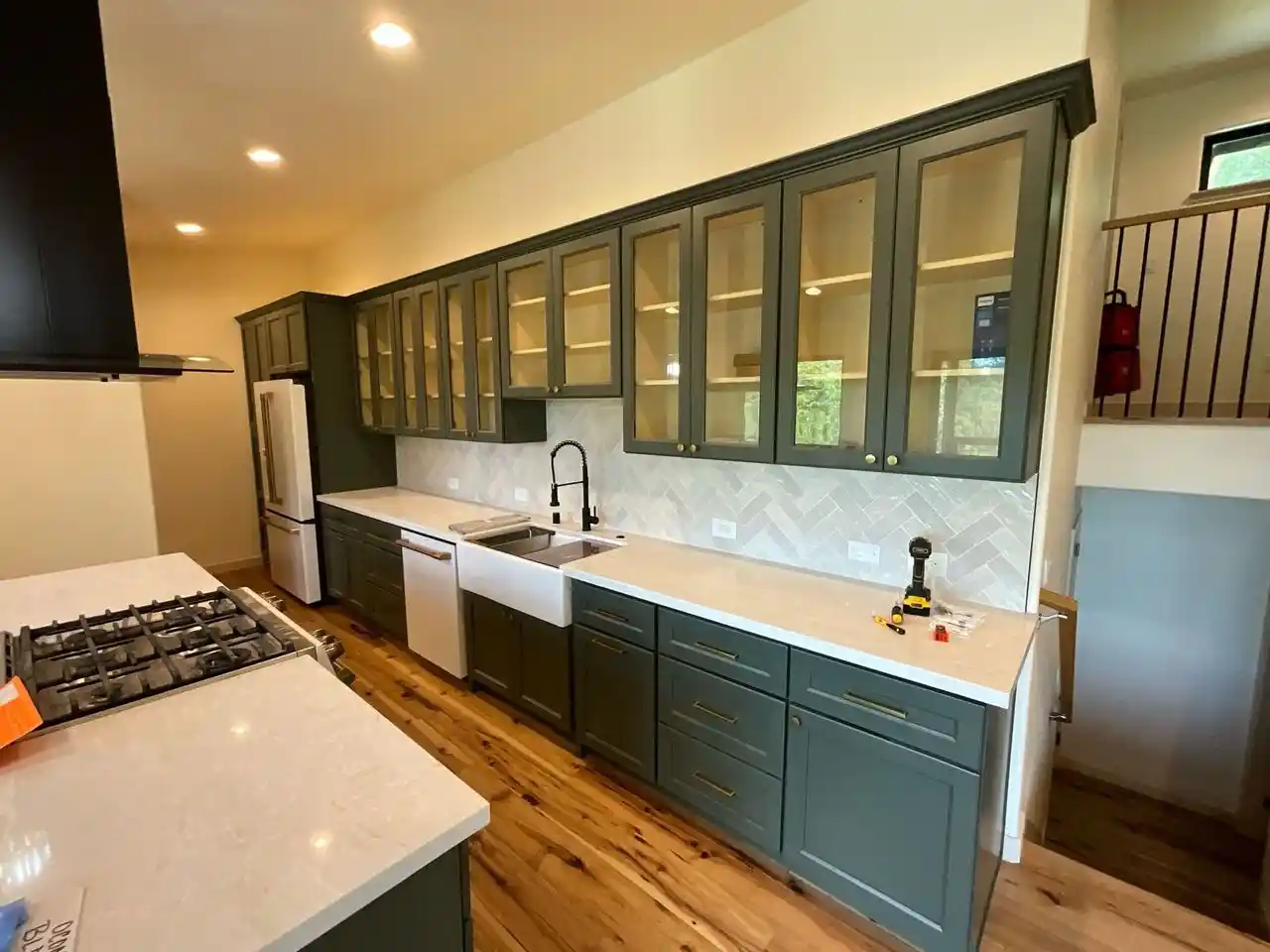
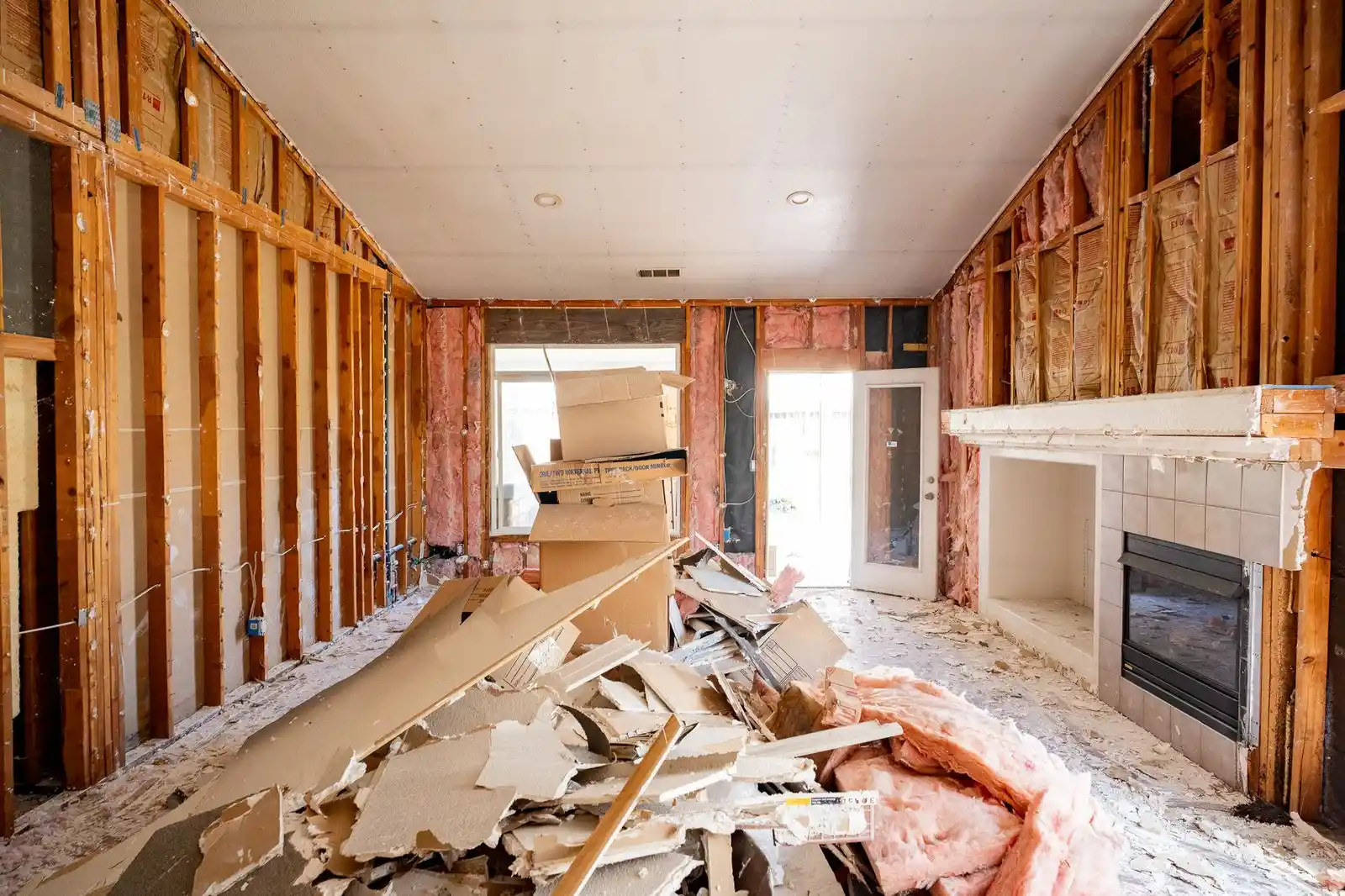
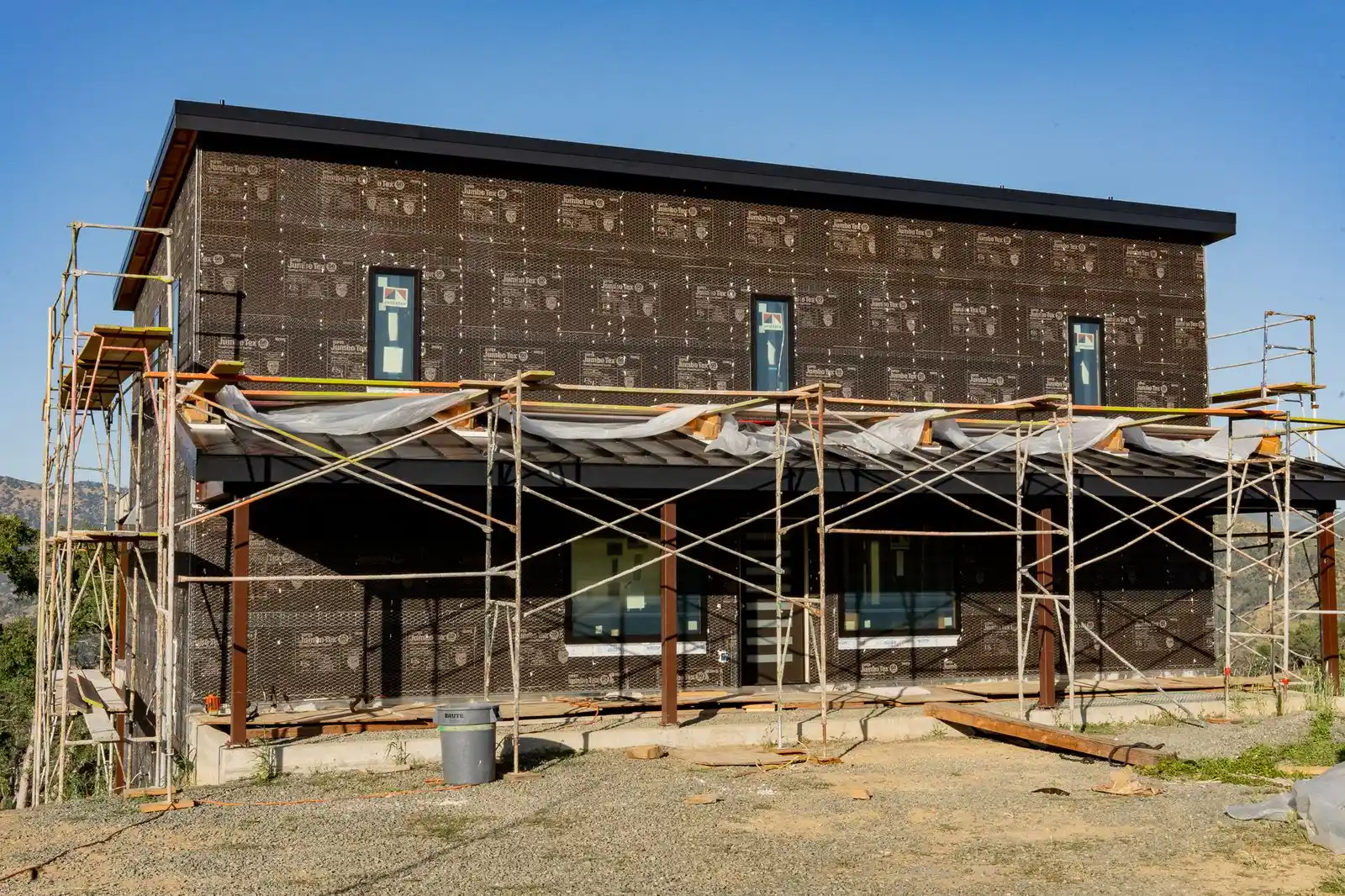
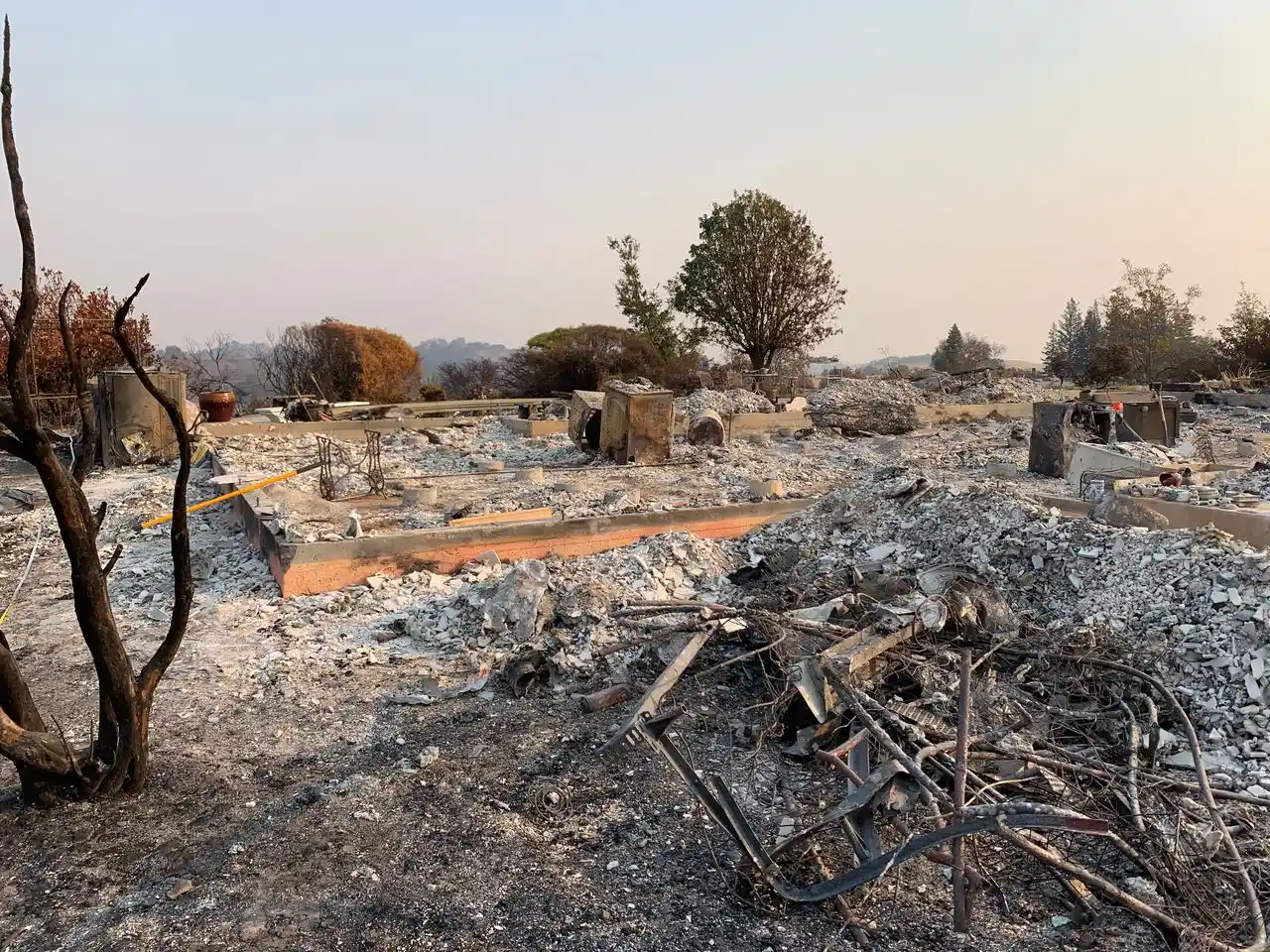
A fire damaged home can be sold three different ways: as-is in its current condition, after professional restoration, or after full reconstruction. Those are three very different purchases, and the same listing phrase can hide any of them. Whether you’re a buyer weighing a discounted listing or an owner deciding what to do with your own property, the first job is the same: figure out which condition you’re actually dealing with. An honest price for the work ahead takes an on-site look, not listing photos or an MLS thumbnail.
What Does a “Fire-Damaged” Listing Actually Mean?
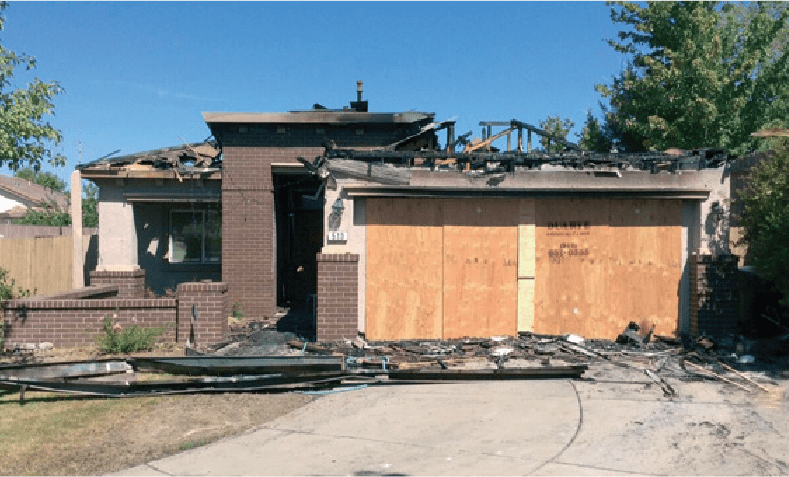
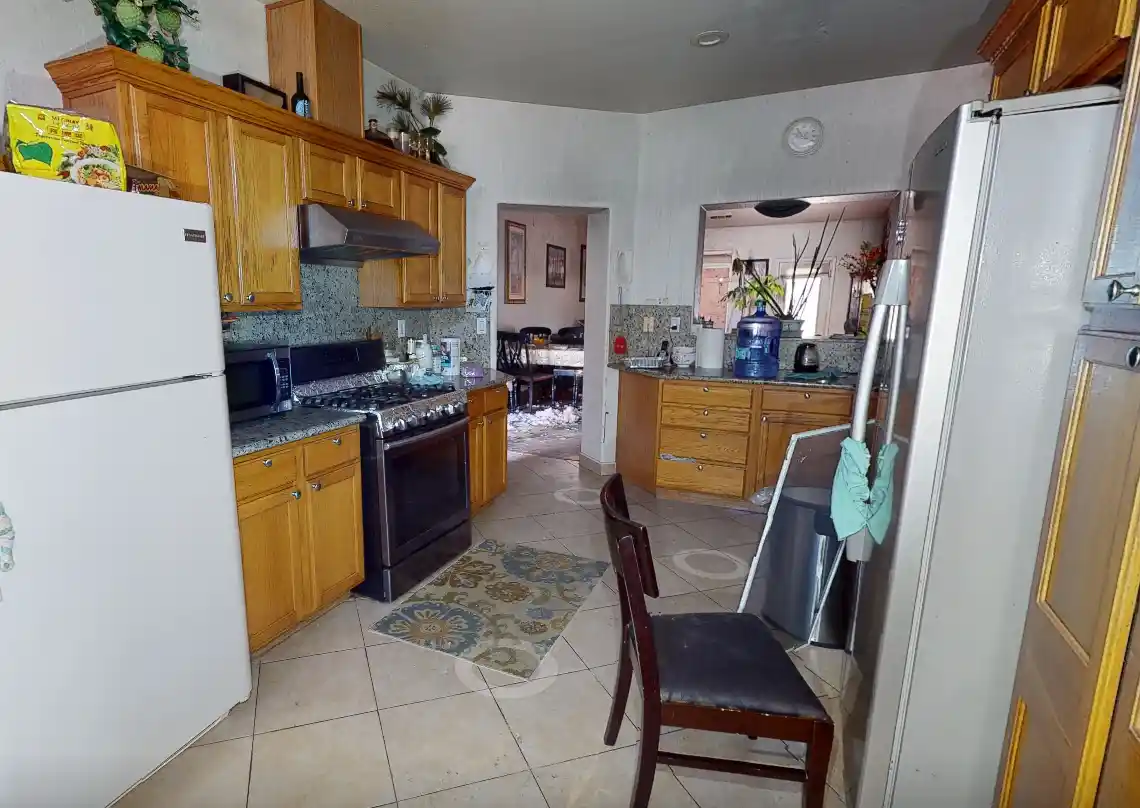
Fire damage falls into roughly three categories. Cosmetic damage affects surfaces and finishes. Partial structural damage hits one room or floor. Total loss means the structure itself is compromised. High heat weakens wood framing and metal connectors, so a wall that looks intact may not be. Smoke travels into walls, ceilings, and HVAC systems, and water from firefighting can leave moisture behind that feeds mold if it isn’t dried in time (the EPA cites a 24 to 48 hour window before mold takes hold). A small 1 bath cottage with few bedrooms and bathrooms and a large multi-story house carry the same risks; only the sq ft changes.
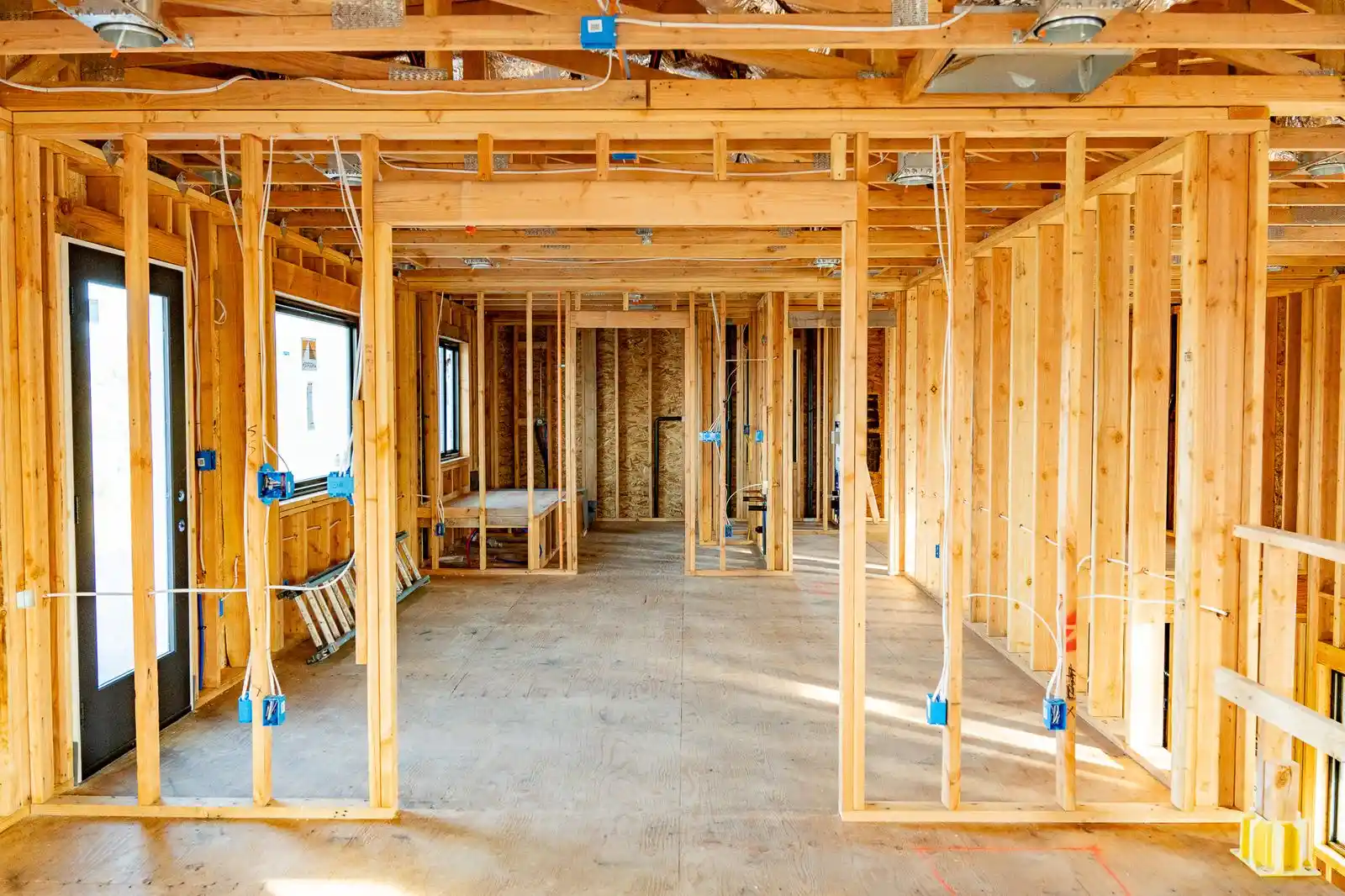
Two words matter here. Restoration means cleaning, drying, soot and odor removal, and salvage. Reconstruction means rebuilding structure and systems under permits. One doesn’t prove the other was done. A listing that reads like a fixer upper may need either, or both, and the interior often tells a different story than the curb.
| Condition | Likely documentation | Professionals needed |
|---|---|---|
| Unrepaired | Incident report, red tags | Engineer, fire-focused contractor |
| Restored | Smoke/soot assessment, drying records | IICRC-certified restorer |
| Reconstructed | Permits, final inspections | Licensed general contractor |
Where to Find Fire-Damaged Properties and Fixer Upper Homes for Sale
You’ll find homes like these through MLS keyword searches, distressed-property and auction sites, local real estate professionals, and public records tied to individual listings. Many MLS feeds pull from an MLS Grid data source, so the same fire damaged property can surface across several search tools and real estate websites. On most listing sites, the data is marked deemed reliable but not guaranteed, drawn from various sources and not always independently reviewed, so treat the supplied open house information and the information submitted by a broker or MLS Grid feed as a starting point. Listing logos and trademarks belong to the broker or data source that obtained the feed, not the home’s condition. These fixer upper homes often carry lower prices and fewer competing buyers. That lower number reflects real risk and complexity, not a guaranteed bargain, so weigh the location and your budget before you commit.
One thing to be clear about: Golden Coast Construction & Restoration doesn’t sell or list homes, and we aren’t the broker on any sale. We assess a property’s actual condition and handle the restoration or rebuild. For listings themselves, work with a real estate professional who knows the local market, the nearby schools, and which popular cities around Los Angeles tend to carry fire damaged inventory. Investors buying through an LLC approach this differently than a family searching for a first house.
Can You Finance and Insure a Fire-Damaged Property?

Financing
Ordinary mortgage lending products often fail on fixer upper homes that are unsafe or uninhabitable, since lenders want collateral they can rely on. Renovation financing can sometimes combine purchase and repair in one loan, such as HUD’s FHA 203(k). Approval depends on the property, borrower, lender, and scope, so talk to a renovation lender before you make an offer. Investors sometimes run after-repair-value math with a 15 to 20 percent contingency buffer and a “70 percent rule,” but that’s an investor rule of thumb, not our advice or a guide for a homeowner.
Insurance
Check insurability during due diligence, not after you’ve removed contingencies. When standard coverage isn’t reasonably available, the California FAIR Plan offers a limited named-peril fire policy, and a Difference in Conditions policy may fill some gaps. It doesn’t carry everything a standard homeowners policy does, so confirm the specifics with the California Department of Insurance. Nobody can promise you’ll qualify until the property is reviewed.
What Inspections and Documents Should You Request?
Safety comes first. Never walk into a red-tagged property on a seller’s say-so if authorities have restricted access. Structural instability, live electrical hazards, and leftover soot are real risks. A standard home inspection usually won’t cover what fire damaged homes need: a structural engineer where warranted, a fire-focused restoration and reconstruction assessment, and a closer look at electrical, HVAC, plumbing, roof, and moisture. Note any additional storage like a detached garage or shed, since those structures carry their own damage. In homes built before 1978, the EPA advises treating paint as lead-containing unless testing proves otherwise, and asbestos shouldn’t be disturbed without professional guidance.
Heavily damaged properties usually have to be brought up to current code during repair. Request this information before you commit:
- Fire department incident report
- Insurance scope of loss
- Structural engineering reports
- Smoke/soot assessment and restoration plan
- Drying and moisture records
- Hazardous-material reports (lead, asbestos)
- Licensed-contractor invoices and CSLB license number
- Building permits and final inspection approvals
- Red-tag, demolition, or debris-removal notices
- Signed completion documents and warranties
- Preliminary title report and lien information
California Rules: Disclosures, Open Claims, and Hiring Contractors

These rules protect you as you navigate a fire damaged sale. Readers outside California, including buyers coming from New York or elsewhere, should check their own state’s law.
Disclosure
California’s Transfer Disclosure Statement asks directly about major fire damage and repairs that don’t meet code. Selling “as-is” does not waive that duty. Sellers also disclose whether the property sits in a Fire Hazard Severity Zone (CAL FIRE maps these in State and Local Responsibility Areas). A special 18-month rule applies to recently acquired properties, and added home-hardening disclosures apply to qualifying homes built before January 1, 2010, in high or very high fire zones.
Selling with an open claim
This isn’t a simple yes or no. A mortgage lender typically holds structure proceeds jointly and may release them as work completes. Actual-cash-value and replacement-cost benefits behave differently. After a declared-disaster total loss, California law gives you at least 36 months from the first payment to collect full replacement cost, plus six-month extensions for good cause. Coordinate in writing with your insurer, lender, and escrow before closing, and consult legal or tax advisers.
If you repair or rebuild first
Verify the contractor’s CSLB license and classification. Use a written, fixed-price disaster-rebuild contract. California caps the down payment at 10 percent or $1,000, whichever is less, and progress payments should track completed work. You generally have three business days to cancel, and up to seven for certain disaster-repair contracts. These same protections apply whether the plan is new construction on a cleared lot or a repair of what’s standing.
Should an Owner Sell As-Is, Restore, or Rebuild?
No path is always better. It depends on the damage, your claim and lender status, whether you can get permits, what documentation already exists, and your time and energy. Deciding what the property is worth in each scenario is the real factor.
- Sell as-is: Cash buyers can offer fast, sometimes a walkthrough within 48 hours and a close in as little as seven days with no agent commissions. The tradeoff is a lower price that reflects the work and risk they take on.
- Restore then sell: Cleaning, drying, and odor work can make a home marketable again when the structure is sound.
- Rebuild then sell: True structural or total loss points toward permitted reconstruction, not cleaning.
Get an On-Site Fire-Damage Assessment Before You Decide
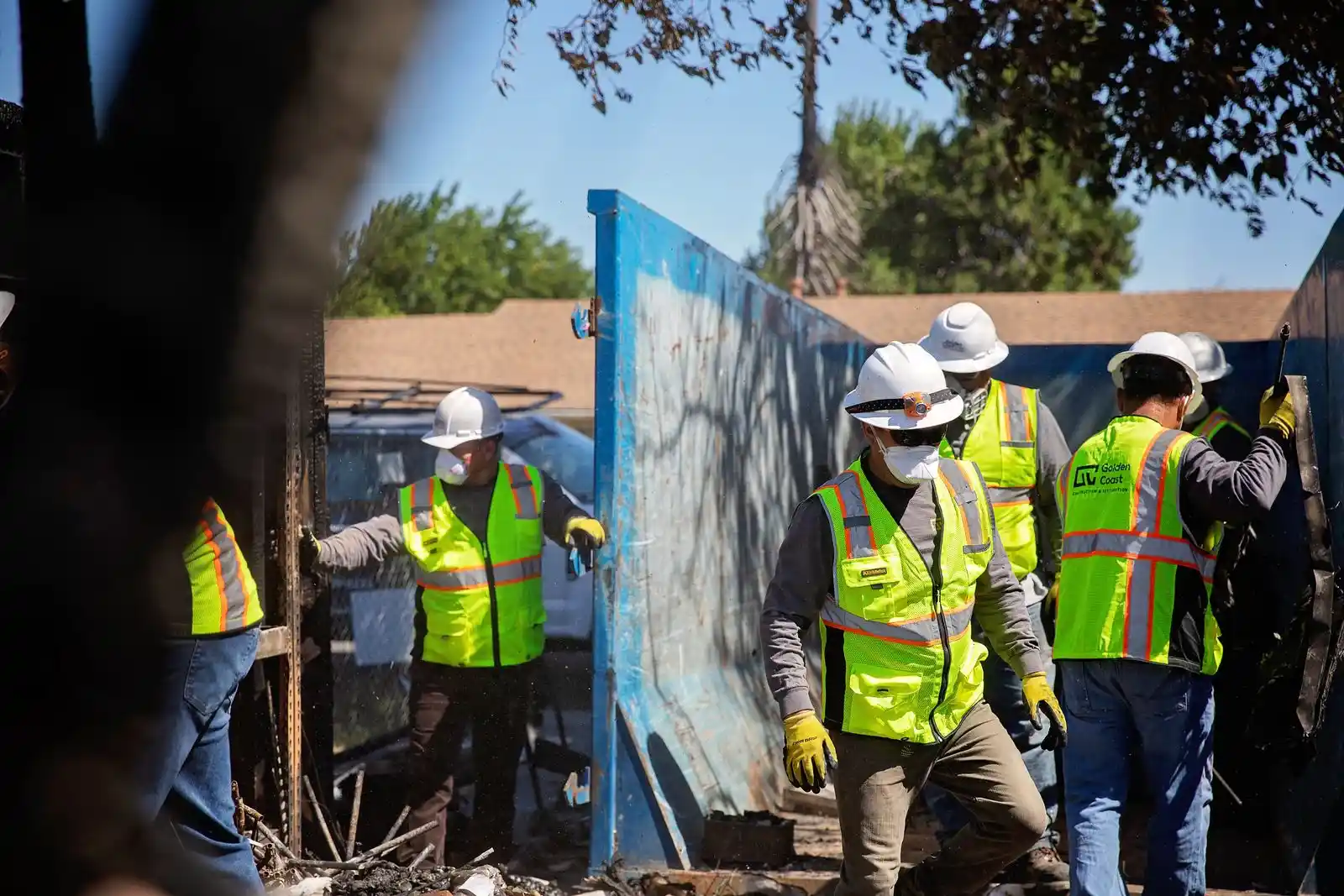
No responsible contractor can quote a firm restoration or reconstruction price from listing photos or a square footage figure. Anyone who does sight-unseen is a red flag, and so is “sign by Friday” pressure. A proper assessment documents the actual damage scope at that moment and tells you whether the property needs mitigation, restoration, or full reconstruction.
Golden Coast Construction & Restoration is a fire-focused, IICRC-certified company and a California General Contractor, CSLB #838443, with a permanent office in the Pasadena area serving greater Los Angeles and nearby Lancaster. We’re committed to keeping restoration and reconstruction distinct, and we’re ready to help the moment a property still needs securing with 24/7 emergency board-up. We use by-the-book milestone payments with full insurance documentation. For a Pasadena property, we’ll check City of Pasadena permit records and the current Fire Hazard Severity Zone map, verified for accuracy, and confirm whether it falls under city or LA County jurisdiction (Eaton Fire properties follow the county recovery process). If the condition or the right path isn’t clear, request an on-site assessment to understand the full potential of the home.
Frequently Asked Questions
Can you get a mortgage on a fire-damaged house?
Often not through ordinary financing when the damage is structural. Renovation financing like FHA 203(k) may combine purchase and repair, but approval is property- and lender-specific. Talk to a lender before making an offer.
Does a California seller have to disclose old fire damage?
Yes. The Transfer Disclosure Statement covers major fire damage, and selling “as-is” does not waive that obligation.
What documents prove a fire-damaged home was repaired correctly?
Building permits, final inspection approvals, licensed-contractor records, engineering reports, and signed completion documents.
Can a homeowner sell before the insurance claim is closed?
Sometimes. It depends on lender rights over the proceeds, whether benefits are actual cash value or replacement cost, and written coordination among insurer, lender, and escrow.
What’s the difference between fire restoration and reconstruction?
Restoration is cleaning, drying, and salvage. Reconstruction is rebuilding structure and systems under permits. The 2025 ANSI/IICRC S700 standard covers fire and smoke restoration, not reconstruction.