


Key Takeaway
Home hardening means modifying your house and the first five feet around it so wildfire embers, radiant heat, and direct flames are less likely to ignite the structure. Embers are the leading cause of home ignition and can travel more than a mile ahead of a fire front. UC Berkeley research found hardened homes with defensible space survived at nearly 50%, compared with about 20% without. No measure makes a home fireproof, but hardening meaningfully lowers your risk.
Home hardening means modifying and maintaining your house, and the first five feet around it, so wildfire embers, radiant heat, and direct flames are less likely to ignite the structure. Those are the three ways a home burns, and embers can travel more than a mile ahead of a fire front. If you’re worried about where to start, start here: when you harden your home, you lower the odds that it ignites. It does not make it fireproof, and no honest guide will tell you otherwise.
Home hardening vs. defensible space: what’s the difference?
These two work together, but they are not the same job.
| Home hardening | Defensible space |
|---|---|
| Protects the building itself | Manages fuels around it |
| Roof, vents, eaves, windows, siding, doors, decks | Surrounding vegetation, mulch, stored items, sheds, fences, spacing |
| Maintenance plus construction | Recurring landscape and property upkeep |
A hardened house with no defensible space is still exposed, and clear ground around a vulnerable house isn’t enough either. When you create defensible space, you slow fire spread toward the walls and give embers less fuel to catch. Keeping combustible items like patio furniture and firewood away from the walls matters here too. Where state or local law requires it, defensible space may extend to 100 feet, but that distance depends on your jurisdiction and hazard designation.
Where to start: what to do now, next, and later
You don’t have to do everything at once. Low fuel around the house buys time, and burning embers can smolder for hours before they catch, so the cheapest work often matters most. Here’s the order that makes sense.
Do now, as maintenance:
- Clear the roof, rain gutters, and roof valleys
- Remove debris from wood decks and around vents
- Move combustible materials away from the walls
- Inspect vents, eaves, siding, doors, and roof edges for gaps
Plan with normal repairs:
- Ember-resistant vents and roof-edge or tile-gap protection
- Eave sealing, door and garage door gasketing
- Deck-to-wall flashing and a noncombustible fence connection
- Install dual pane windows (tempered) when replacement is already due
Major retrofit or rebuild:
- Class A roof assembly, compliant siding, enclosed eaves
- Full deck replacement and current WUI-code construction
How do homes catch fire in a wildfire?
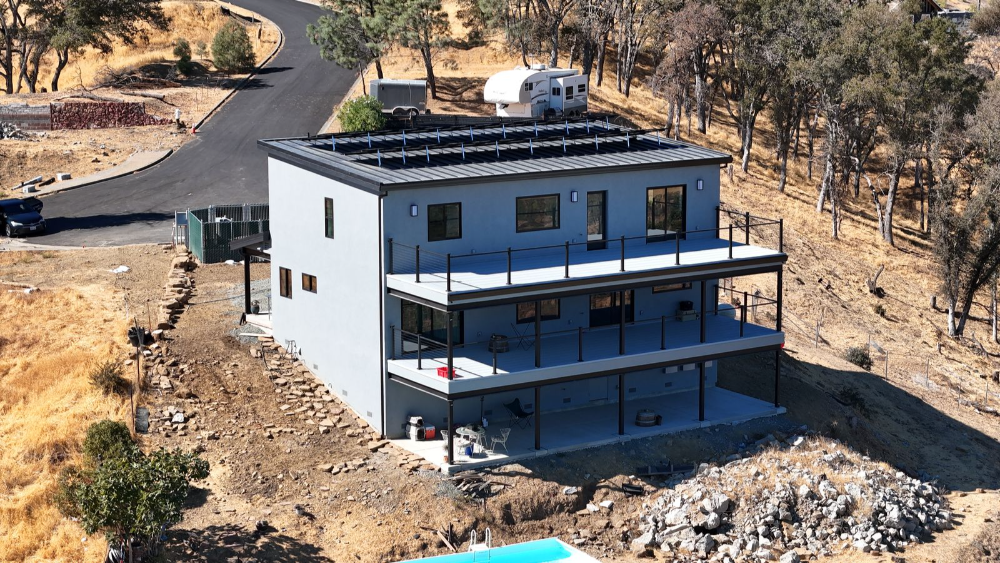
Three pathways. Flying embers are the leading cause of home ignition: they ride the wind ahead of the flames, slip through vents and gaps, and land on dry debris, where they can smolder before catching. Ember intrusion through small openings is how fire reaches the attic of an otherwise sound home. Radiant heat from a nearby burning structure can crack windows and ignite flammable materials close to the house. Direct flame contact happens when the fire reaches the structure itself. A single ember storm can drop thousands of embers at once, which is why closing small openings on the entire house is central to fire protection.
Component-by-component checklist to harden your home
Each component closes one of those three pathways, and each uses more fire resistant, ignition resistant materials than the one it replaces. These are the building materials that reduce how easily a home ignites.
Roof, roof decking, and roof edges
The roof is the largest exposed surface. CAL FIRE recommends a Class A assembly, blocking gaps under tile or other coverings, and keeping the roof decking, shingle roofs, and valleys clear of debris so stray embers have nothing to ignite.
Rain gutters
Clear leaves and needles. When replacing, metal gutters and gutter guards help, but these noncombustible covers reduce debris rather than eliminate cleaning.
Upgrading vents and small openings
CAL FIRE and the California Department of Insurance recommend State Fire Marshal-listed WUI vents, or non combustible metal mesh with openings between 1/16 and 1/8 inch. Any opening larger than 1/8 inch can admit embers. Fine mesh changes airflow, so check ventilation requirements with your building official first. Cap stovepipe outlets with metal mesh for the same reason.
Eaves and soffits
Open eave construction lets embers into the attic. Seal gaps around rafter tails and enclose eaves with compliant materials where appropriate to prevent embers from reaching the structure.
Windows, doors, and the garage door
Large windows and single-pane windows are the most vulnerable areas for radiant heat. CAL FIRE recommends multipane tempered glass, which is about four times more break-resistant, so install dual pane windows where you can; vinyl windows with tempered glass are another option during a planned replacement. Weatherstrip exterior doors and the garage door so they seal tightly, since a gap at the garage door is a common way flying embers get inside. Add metal screens where they help.
Siding and wall base
Repair rot, holes, and gaps. Choose fire resistant siding when replacing it. The CDI benchmark calls for 6 vertical inches of noncombustible materials at the base of exterior walls.
Decks, fences, and nearby combustibles
Clear under decks, and install at least 6 inches of vertical flashing at the deck-to-wall intersection. For attached fencing, CAL FIRE recommends replacing the first 8 feet of combustible fences with a noncombustible, ember resistant option, though some standards use 5 feet, so don’t treat one distance as universal. Store flammable liquids away from ignition sources, and the CDI benchmark suggests 30 feet of separation for combustible outbuildings. Cover chimney openings with metal mesh. For masonry fence sections, a horizontal reinforcement bar belongs in the structural design, not in your wildfire checklist, so confirm scope with your contractor.
Is Zone 0 required in California right now?

Zone 0 is the first 0 to 5 feet around the house, the ember-resistant zone. It matters because embers land here and ignite mulch, plants, and stored combustible items pressed against the wall, raising the risk to the whole structure. CAL FIRE and the CDI already recommend keeping it clear. Status checked October 29, 2026: the Board of Forestry approved a Zone 0 rule package on August 19, 2026, but it remains in final review with the Office of Administrative Law and is not yet published as a final statewide regulation. Treat it as strong, insurance-recognized best practice for now.
California building codes, Fire Hazard Severity Zones, and insurance coverage discounts
Existing homes are not automatically required to meet new-construction standards. Rules differ for maintenance, component replacement, permitted alterations, new construction, and post-fire rebuilds, and homes built before current rules often have the most to gain. The 2025 California Building Standards Code took effect January 1, 2026, and wildfire construction rules now live in Title 24, Part 7 (older guides still say “Chapter 7A”). Check the current building codes and your local building department.
The CDI’s Safer from Wildfires framework, developed with input from the Insurance Institute for Business and Home Safety, lists ten mitigation measures, and regulated insurers must offer wildfire mitigation discounts. The amount varies by insurer and property. After you complete these home hardening upgrades, contact your insurer, ask what documentation or inspection they need, and expect savings at the next policy period. Keep invoices, permits, product listings, and photos. No one can promise a specific discount on your insurance coverage or a guaranteed renewal.
Checking your wildfire risk and permits in Pasadena
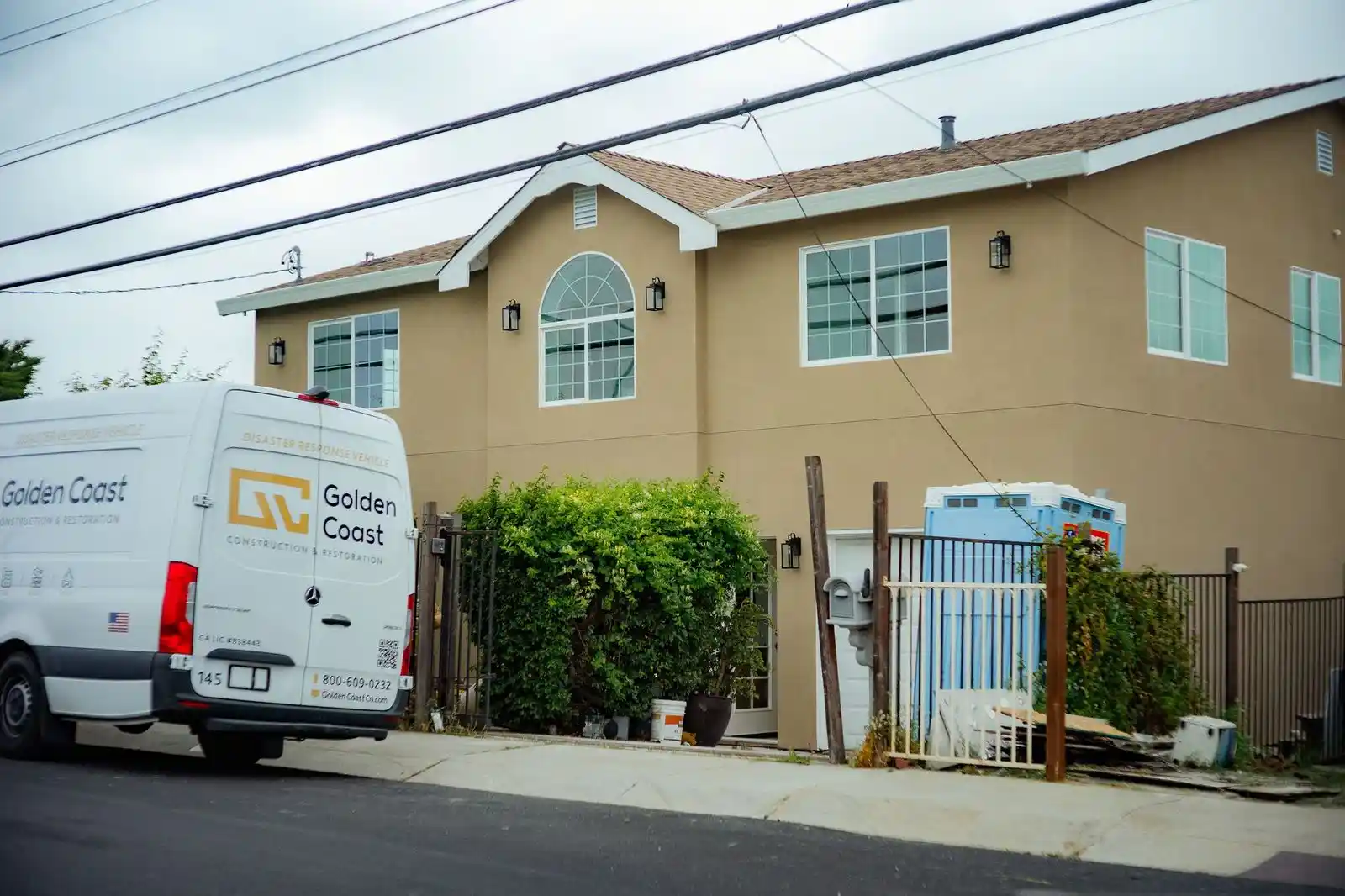
Pasadena adopted the March 24, 2025 State Fire Marshal Fire Hazard Severity Zone map through Ordinance 7451 on July 21, 2025. Designations range from moderate to very high, plus unzoned areas, so check your exact address rather than assuming the whole city carries the same risk. In wildfire prone areas, access for emergency vehicles also matters, since narrow or blocked driveways slow response. The Pasadena Fire Department provides the adopted map, and the Permit Center can tell you what work needs review. AB 38 defensible-space inspections apply to certain real-estate transactions.
How to hire for home-hardening work (and avoid getting taken advantage of)
A few steps protect you. Verify any contractor’s license directly through the CSLB. Get a written scope that lists materials and product listings, and confirm who pulls the permits. California caps the down payment at 10% or $1,000, whichever is less, and progress payments should follow completed work. You generally have three business days to cancel (five for buyers 65 or older), though exceptions exist. Two red flags, stated calmly: anyone who quotes a firm whole-house price without inspecting the property, and anyone pushing a signing deadline.
Home hardening after a wildfire: restoration vs. rebuilding

These are different jobs. Adding vent screens to an undamaged home is a retrofit. Restoration is cleaning, mitigation, drying, salvage, and repair of fire damage. Rebuilding is reconstruction after major or total loss. A damaged home needs a professional assessment first.
During a rebuild, resilient standards and fire resistant materials can be designed in from the start, so the home relies on non combustible materials rather than combustible materials wherever possible. A 2026 CDI/NAIC analysis modeled 31% and 35% reductions in average annual loss for two resilient rebuilding standards, and UC Berkeley research summarized by the CDI found homes with hardening and defensible space survived at nearly 50%, compared with about 20% without. Those are modeled and research figures, not guarantees. Coordinating code, approved materials, permits, insurance documentation, and milestone inspections together is what protects you.
What home hardening cannot do
No measure guarantees a house survives every combination of wind, ember load, an adjacent structure fire, and firefighting conditions. Even with home hardening measures in place and multiple garden hoses charged from a reliable water supply, one hardened house can still face severe exposure from a burning home next door, an attached fence, a shed, or a parked vehicle. The goal is to avoid combustible materials near the walls and lower overall home safety risk, but mitigation works best at the parcel and neighborhood scale together, since flames from one burning structure threaten the next.
Talking to a licensed fire-reconstruction contractor
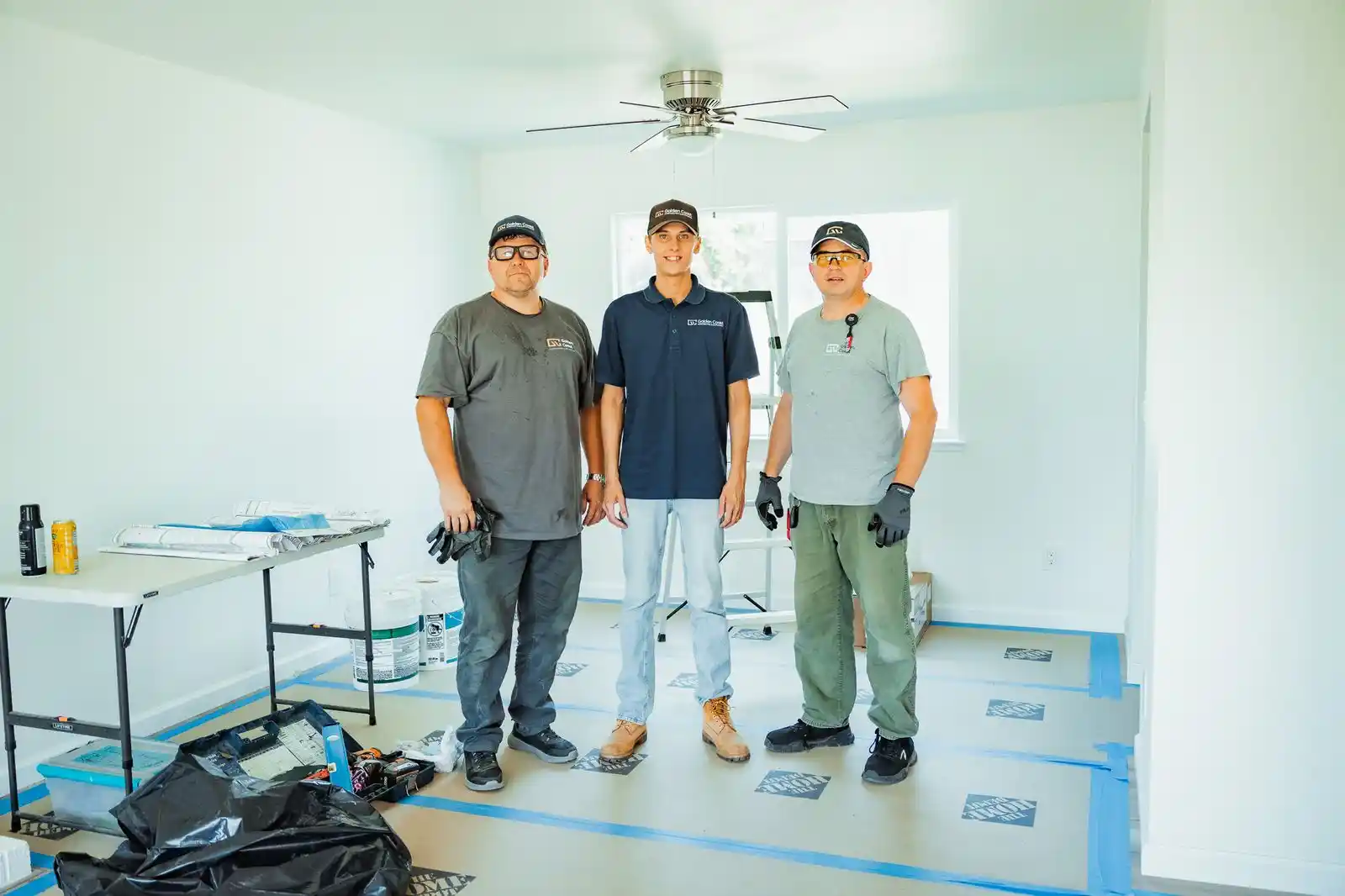
If your home is undamaged, start with an assessment and maintenance, and lean on your local fire and building authorities and an appropriately licensed contractor. If a fire or wildfire has already damaged your home in Southern California, Golden Coast Construction & Restoration can provide an on-site assessment from its permanent Pasadena-area office. We’re licensed in California under CSLB #838443, IICRC-certified, available for 24/7 emergency board-up, and we work with by-the-book milestone payments. One on-site look beats any sight-unseen quote.
Frequently Asked Questions
How do I harden a house?
Start with roof and gutter debris and the first five feet, then close vents and gaps so you prevent embers from getting inside, then handle larger upgrades during normal repairs.
How do I find my wildfire risk?
Check the State Fire Marshal or local Fire Hazard Severity Zone map by exact address. In Pasadena, the Fire Department provides the adopted map.
How much does home hardening cost?
Scope depends on your roof, vents, windows, siding, decks, access, condition, and local code. An honest figure requires an on-site inspection, and a firm price sight-unseen is a red flag.
How do I keep my house safe from fire?
Combine home hardening with defensible space and keep surrounding vegetation trimmed. Neither one alone is enough.
Does home hardening lower insurance costs?
Regulated California insurers must offer wildfire mitigation discounts, but the amount varies by insurer and property. Contact your insurer about the documentation they require.