

Key Takeaway
To get smoke smell out of wood, vacuum loose residue with HEPA equipment, then wipe the surface with a barely damp cloth and mild dish soap, and dry the wood immediately. This works for light odor on sound, finished wood. If the smell returns after the wood is fully dry, or if soot, char, or a structure fire is involved, the source goes deeper than surface cleaning can reach and professional assessment is needed. Unfinished, veneered, or built-in wood almost always requires more than a single wipe-down.
For a light smoke smell on sound, finished wood, the safe method is simple: vacuum loose particles with HEPA equipment, spot-test a barely damp cloth with a little mild dish soap on a hidden area, wipe gently, and dry the wood right away. If the smoke smell returns after the wood is completely dry, or if the wood is unfinished, charred, built in, or affected by a structure fire, the source likely goes deeper than surface cleaning can reach, and the piece may need professional cleaning, refinishing or sealing, or replacement. This guide is for anyone facing a smoky wood surface, from a secondhand dresser you brought home to a home you are cleaning after one of the harder fire incidents a household can face. Wood holds onto smoke because its grain is porous, so smoke residue settles into the surface and stays there. One thing to flag up front: visible soot, ash, char, or a recent property fire calls for a different level of care than a stale-smelling drawer, and you should not soak wood in either case.
First, Identify the Smoke Source and the Type of Wood

Before you touch a cloth to the wood, answer two questions. They decide everything that follows.
The first is the source. Stale tobacco smoke or cooking odor is a surface and absorption problem. Actual fire soot, ash, or char is a contamination problem that can involve harmful combustion products, hidden sources, and insurance evidence. Treating them the same way is where people get into trouble. The smoke odor from a few years of cigarette smoke behaves differently from the smoke residue left by a grease fire, and both differ again from wildfire smoke that drifted in through an open window. Each leaves a different kind of film, and each responds to a different method.
The second is the type of wood. A solid, varnished table tolerates a careful damp wipe. A veneered cabinet, a waxed antique, or a raw wood drawer bottom does not react the same way, and some finishes are damaged by moisture or vinegar. Built-in cabinets, flooring, and framing raise the question of whether the odor is coming from one piece of wooden furniture or from the room around it. A single smelly nightstand is one job. A whole room where the wood furniture, the trim, and the air all carry the same smoke smell is another.
Match your approach to both before you start.
| Situation | Initial direction |
|---|---|
| Light odor on sound, sealed furniture | Careful DIY surface cleaning may be reasonable |
| Unfinished drawer or cabinet interior | Minimal moisture; odor may be deeper in the wood |
| Veneer, antique, waxed, or oiled finish | Consult a furniture conservator or refinisher |
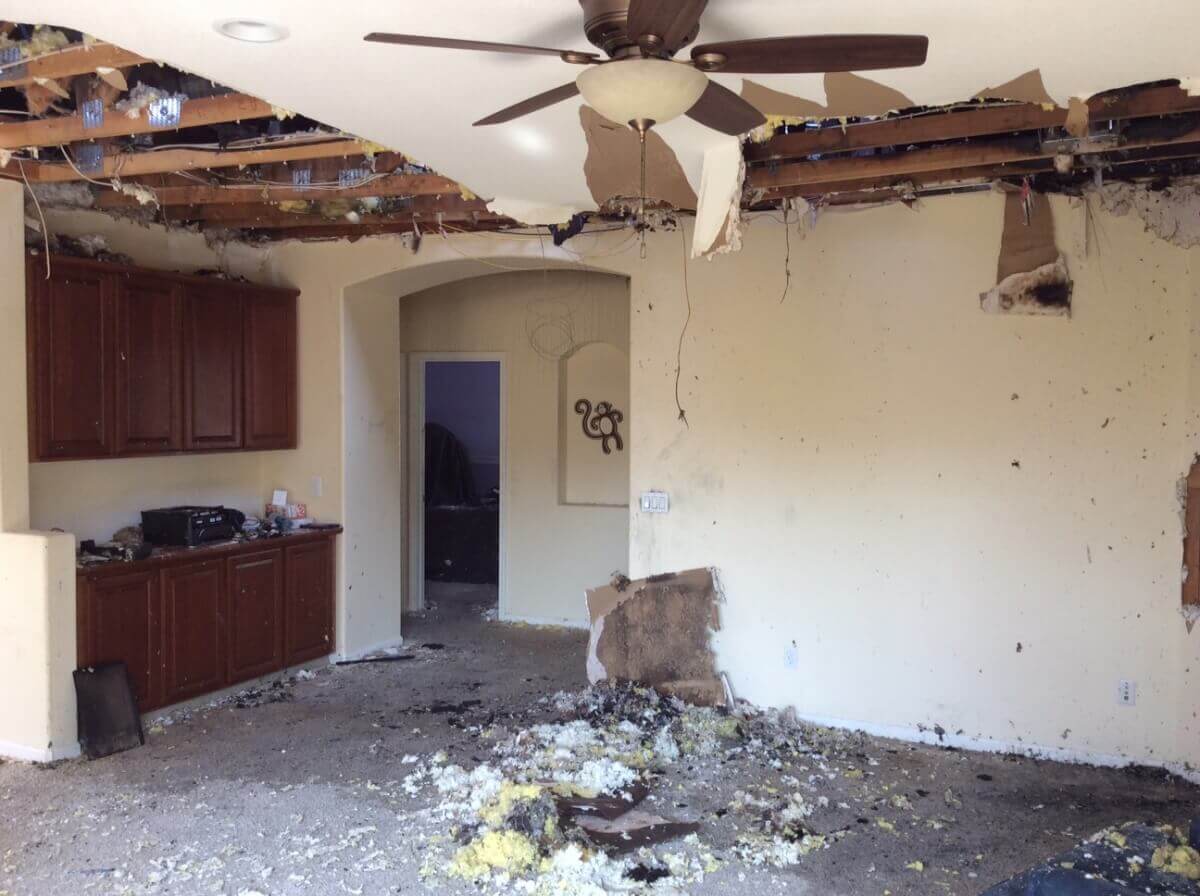
| Visible soot or ash after a fire | Document, use proper protective gear, and get an assessment |
| Cabinets, flooring, paneling, or framing | Check for room-wide and hidden contamination |
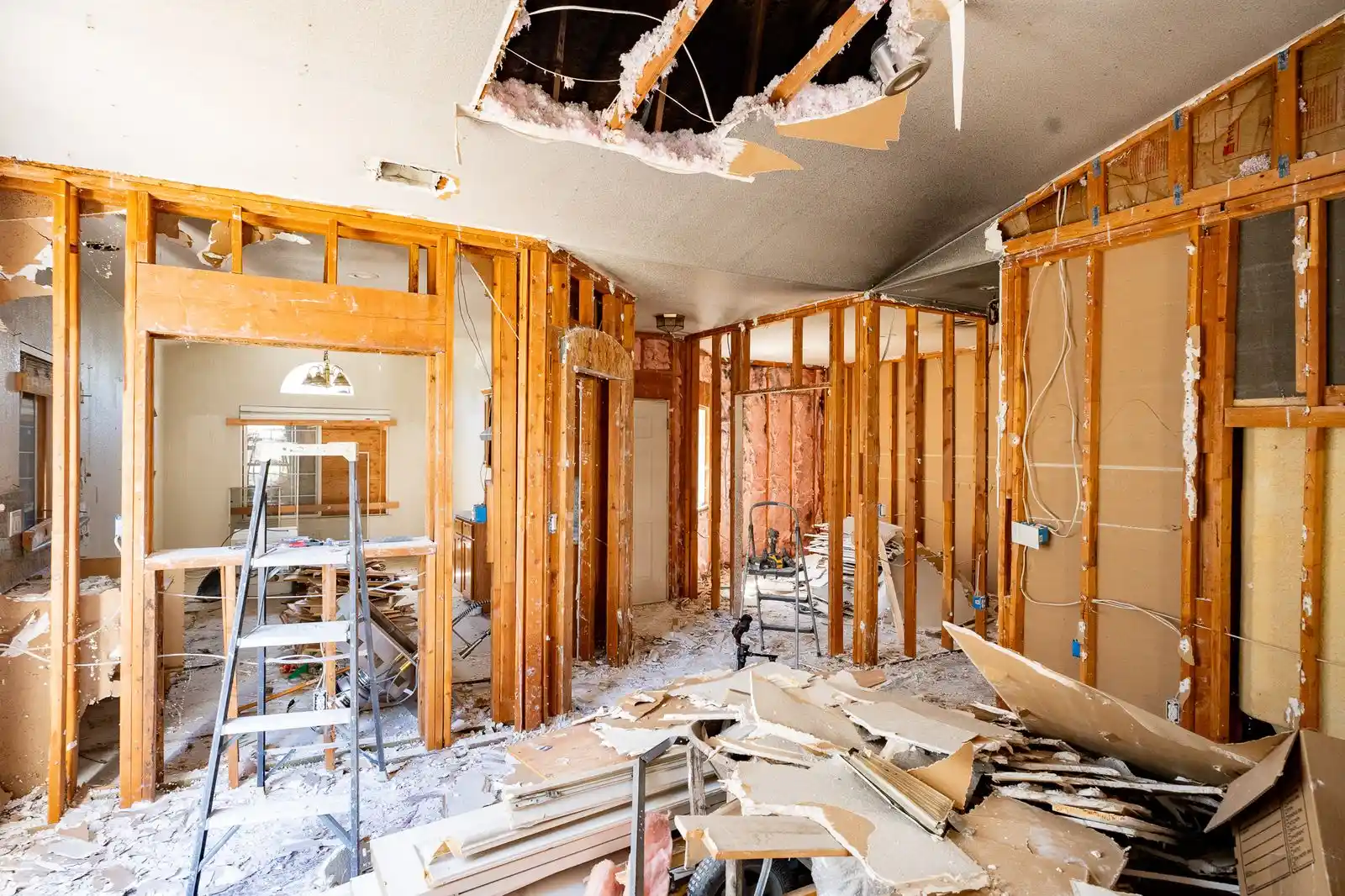
| Charred, heat-damaged, or structurally compromised wood | Repair or reconstruction assessment, not odor treatment |
Before You Clean Fire-Related Smoke Damage
This section is for a fire or wildfire loss, not a musty thrift-store dresser. If that is your situation, a few steps protect your health and your claim before any cleaning begins.
Confirm the structure is safe to enter. If there is any doubt, wait for clearance. Then photograph and document the wood and the surrounding room before you move or wipe anything. Contact your insurance company before you discard or materially alter affected items, because what you throw out early can be hard to prove later.
Do not reach for an ordinary household or shop vacuum on fire ash. The EPA warns that these return fine collected particles back into the air and hurt your indoor air in the process. Use a HEPA-type vacuum or careful damp collection instead. If burned debris, asbestos, or lead-based materials may be involved, stop and get professional guidance.
For readers in the Pasadena area and across California, the California Department of Insurance advises photographing damage, inventorying affected contents, and keeping damaged items until the adjuster permits disposal. South Coast AQMD warns that ash from a structural fire can contain asbestos and other hazardous material, and recommends HEPA methods, protective clothing, and a properly fitted N95 or P100 respirator for limited ash cleanup in areas not directly burned. The EPA also advises that children, older adults, and people with heart or lung conditions should not take part in ash cleanup at all, since prolonged exposure to that dust carries real risk. Wildfire smoke and the ash it leaves behind carry the same cautions, which matters in a region where wildfire seasons reach close to home.
How to Clean Light Smoke Odor From Sound, Finished Wood

This is the common case: a piece with a stable finish and a smell, no visible soot. Work gently and let the wood dry between steps.
- Move the item to a well-ventilated area with fresh air, as long as doing so won’t spread fire residue through the house.
- Remove loose particles and smoke residue with appropriate HEPA equipment before any wet cleaning.
- Confirm the finish is sound. The National Park Service’s conservation guidance is clear that only furniture with a stable, intact finish should be wet-cleaned.
- Test a hidden area first, inside a leg or the back, to make sure the cleaning solution won’t lift or dull the finish.
- Use a barely damp cloth with a little mild dish soap suited to the finish, wrung out well so it’s damp, not wet.
- Avoid soaking seams, joints, veneer edges, and drawer bottoms, where moisture collects and does damage.
- Remove hardware so you can reach into corners for a proper cleaning that’s even across the surface.
- Wipe away any residue if the product calls for it, then dry the wood immediately and air dry the piece fully before you judge the result.
There is no single vinegar-and-water recipe that works everywhere, and you should be wary of any page that gives you one. The right method depends on whether the wood is bare, painted, varnished, lacquered, waxed, oiled, or veneered. A lacquered dresser and an oil-rubbed table do not take the same cleaner, and what brightens one can cloud the other. If the smoke smell is embedded and surface cleaning doesn’t move it, that’s a sign the piece may need a specialized cleaner or professional attention rather than a stronger household mix.
What to Do With Unfinished Wood, Drawers, and Cabinet Interiors
Bare and composite wood hold the smoke odor more deeply than a sealed surface, because there’s no finish sitting between the smoke compounds and the open grain. Clean the removable surface residue first with a HEPA vacuum and the lightest touch of moisture you can manage, then support odor reduction with slower, natural solutions.
Fresh air and open windows help. So does sunlight, which is useful on a drawer with a musty smell left out to air. Natural odor absorbers can pull down what’s left: baking soda in an open container for about a day, activated charcoal or activated carbon tucked into an enclosed drawer, or coffee grounds as a lighter option. Baking soda, which is simply sodium bicarbonate, is cheap and forgiving, which is why it shows up in so much advice, and a shallow dish of it left to sit overnight inside a drawer will quietly absorb odors a fair amount of the lingering smoke smell. Activated charcoal works the same way without the fine dust baking soda can leave. Treat all of these as supporting measures, not as a replacement for removing the source.
Keep water to a minimum, because excess moisture swells and distorts wood. Particleboard and composite board are harder to restore than solid finished wood, since the smoke works into the material itself. If the persistent odors stay after repeated cleaning and airing, the honest next steps are professional refinishing, controlled sealing after the wood is clean, or replacement.
Why the Smoke Smell Persists and Keeps Coming Back

You cleaned the wood, it dried, and a few days later the smell persists. That’s frustrating, and it usually means a source still remains. Common reasons:
- Smoke residue sits below the finish, where a surface wipe can’t reach it.
- The back, underside, joints, drawers, or cabinet cavities were missed during cleaning.
- The contamination isn’t only in the one piece; it’s elsewhere in the room.
- HVAC systems or hidden building cavities keep redistributing the smoke odor.
- A fragrance or treatment smell temporarily covered the smoke, then faded.
- Warmth or humidity makes residual odor more noticeable again.
A returning smoke smell after the wood is fully dry is the clearest signal that the source hasn’t been removed. On a secondhand dresser, that means more airing and more time with your odor absorbers. After a real fire, it’s the point to stop experimenting and get an assessment, because if the odor persists in places DIY cleaning can’t reach, the source is still there.
Do Vinegar, Baking Soda, and Activated Charcoal Actually Work?
They help, within limits. These household methods do something real for light surface and ambient odor, but none of them is a cure for smoke residue embedded deep in porous wood.
White vinegar can neutralize some odor molecules, and diluted and spot-tested it’s reasonable on a sound finish. It can also affect waxed, oiled, antique, or delicate finishes, and it leaves its own vinegar smell until it dries. Use it sparingly and test first, mixing a weak cleaning solution in a spray bottle and working from a cloth rather than spraying the wood directly. That’s about as far as you should push it on finished wood furniture.
Baking soda absorbs odors well when left in an open container for roughly 24 hours near or inside the piece. You can also sprinkle it lightly inside an empty drawer, leave it overnight, and vacuum it out with HEPA equipment the next day. Activated charcoal or activated carbon absorbs odor molecules without leaving residue, which makes it a good fit for enclosed drawers and cabinets, and it keeps working for weeks before it needs refreshing. Activated charcoal is also the quiet workhorse behind the carbon filters in many air cleaners. Enzyme-based cleaners can break down organic odor molecules on some surfaces.
Here’s the straight version: the evidence is stronger for careful deep cleaning and removing the source than it is for any single household remedy. Masking or reducing a smell is not the same as removing the residue that causes it. That distinction matters most after a real fire, where what you can’t smell can still be present. Baking soda and activated charcoal are good at making a drawer tolerable; they are not good at reaching soot driven into the grain by a house fire.
Methods to Avoid or Use With Caution

A few popular approaches do more harm than good, and a couple of them are the kind of shortcut a careful homeowner should recognize as a red flag.
- Fragrance sprays: they cover the smell without removing the source, which is why the smoke odor comes back.
- Heavy vinegar use: too much white vinegar can harm some finishes, and it isn’t a universal fix.
- Bleach or mixed cleaners: bleach is unnecessary for smoke odor, and the CDC says never to mix household bleach or disinfectants with other cleaners, which can produce dangerous fumes.
- Steam: it can damage veneer, adhesives, joints, and finishes.
- Consumer ozone generators: an ozone machine is not a casual DIY fix. The EPA says ozone is a lung irritant, that no federal agency has approved ozone generators for use in occupied spaces, and that controlled high-concentration use belongs to unoccupied professional restoration settings. Ozone can also damage rubber, wiring, fabrics, and artwork.
- Sanding: it can spread soot into the grain, and in a home built before 1978, sanding painted trim, doors, or built-ins can create hazardous lead dust. The EPA’s lead-safe guidance applies here; test for lead or use a lead-safe professional.
- Sealing before cleaning: this traps the contamination source under a new coat and makes later work harder.
The EPA also doesn’t recommend electronic air cleaners, photocatalytic oxidation, hydroxyl generators, or UV devices for smoke particles, since their effectiveness is uncertain and some produce ozone. Mechanical HEPA filtration traps smoke particles without creating byproducts.
Using an Air Purifier to Get Rid of Smoke and Improve Indoor Air Quality
Cleaning a surface stirs particles into the air, so the indoor air in the room deserves attention too. Fresh air and open windows help clear smoke-laden air during the work. A mechanical HEPA air purifier traps fine smoke particles and, unlike ozone, doesn’t create harmful byproducts. HEPA air purifiers handle the particle side of the problem, while activated carbon filtration helps with the gaseous part of the smoke odor, including the volatile organic compounds that give smoky air its smell. Many of the better air purifiers pair both, HEPA filters for particles and an activated carbon stage for the smell, which is a sensible combination when you are trying to get rid of smoke that lingers in a room.
Run the air purifier while you clean and for a while afterward, and keep it sized to the room so it can turn the indoor air over several times an hour. Good indoor air quality is not a luxury during this work; it is part of protecting your lungs while you handle smoke residue, and it helps improve indoor air quality room by room. An air purifier will not pull the smoke smell out of a soaked floor or a contaminated cabinet, but it does keep the particles you disturb from settling right back onto the surfaces you just wiped.
Replace your HVAC filters. FEMA’s approach for light smoke exposure comes down to four steps: ventilate, replace the HVAC filter, use activated charcoal, and clean affected absorbent materials. Smoke odor can linger in your home’s HVAC system and ducts after fire damage, which is one reason a room can keep smelling long after you’ve cleaned a single piece of wood furniture. If you replace HVAC filters and the room still smells while the wood doesn’t, the air system is often why.
When Refinishing or Sealing Wood Makes Sense
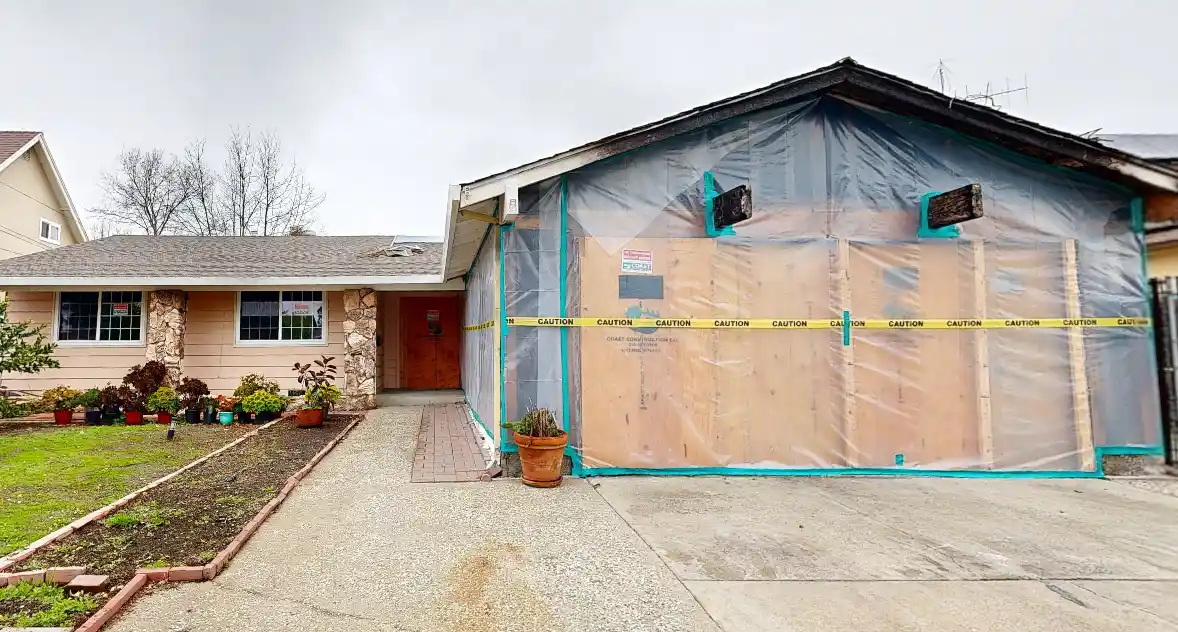
Refinishing or an odor-blocking coating is a last step, not a first one. It’s worth considering only after a specific set of conditions are met:
- The residue source has been identified.
- The wood has been cleaned and dried.
- Test cleaning shows the piece is actually salvageable.
- Lead or other hazardous coatings have been addressed.
- The coating is compatible with the wood and the existing finish.
Light sanding and resealing can remove deeply embedded odors, and shellac-based sealing primers are commonly used to lock in residual smoke odor on bare wood. The key word is after: sealing over uncleaned residue just hides the problem and complicates the next person’s work. This is cleaning and refinishing, which is restoration. It’s a different thing from rebuilding wood that’s structurally gone.
When to Stop and Get a Fire-Restoration Assessment
There’s a point where careful DIY stops being the right call. Get a fire-restoration assessment if any of these are true:
- The smoke came from a structure fire or wildfire.
- There’s visible soot, ash, an oily film, or charring.
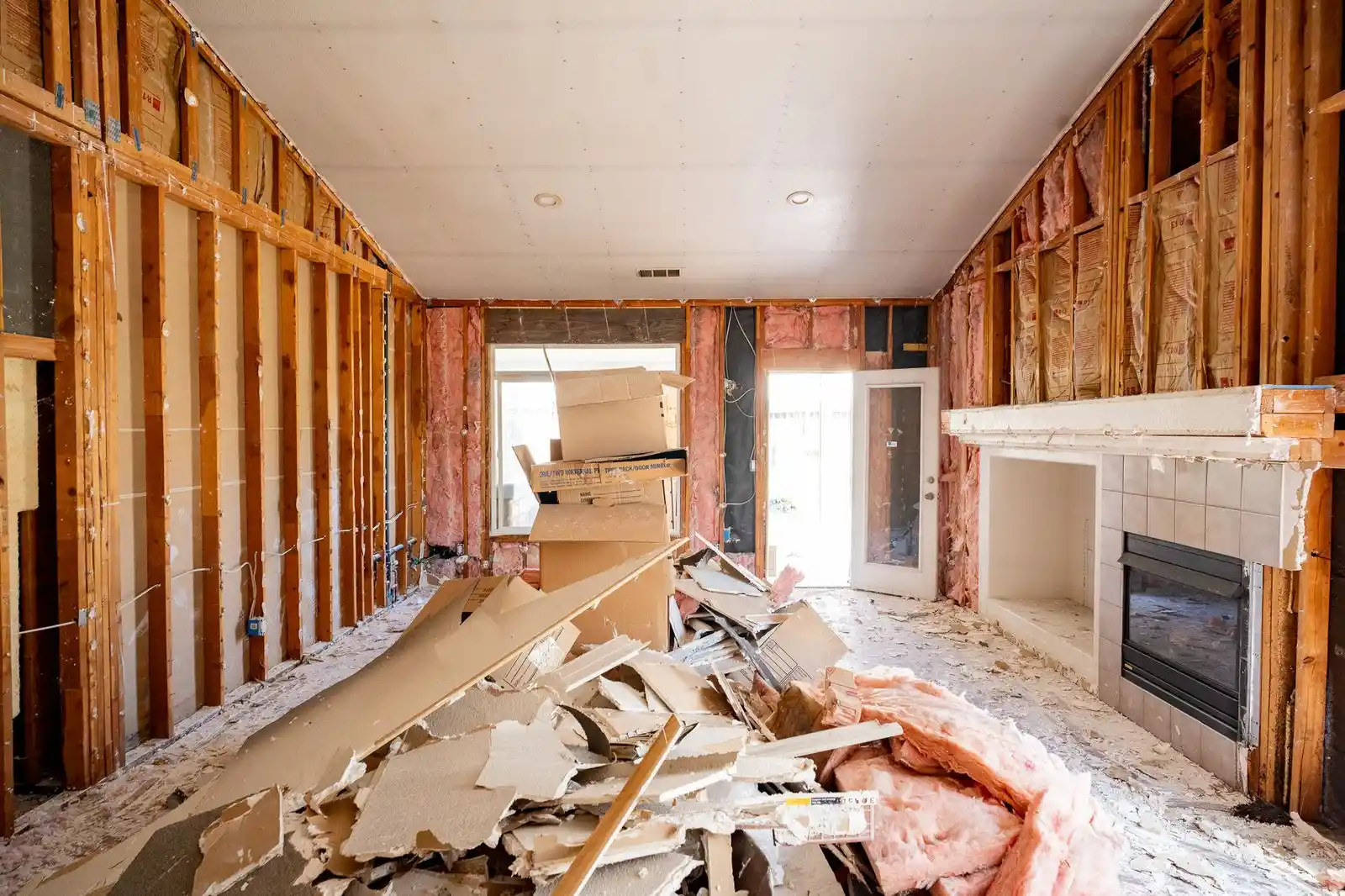
- The odor affects built-in cabinets, flooring, paneling, trim, interior walls, or framing.
- The smoke smell returns after the wood is cleaned and dried.
- The room smells even with the wood item removed.
- Suppression water entered walls, floors, or cabinets.
- The wood is antique, historic, veneered, or irreplaceable.
- Sanding or demolition may disturb lead or asbestos.
- An insurance claim is open.
- Structural repair or reconstruction may be required.
Keep the line clear between two different jobs. Cleaning, odor management, and refinishing are restoration. Deeply charred or structurally compromised framing is a repair-or-rebuild question, which is reconstruction, not an odor project. The first edition of the industry standard for this work, ANSI/IICRC S700, was published in 2025 and covers assessment, fire residues, odor management, and documentation. The IICRC notes it does not comprehensively cover wildfires, so wildfire work also follows public-health guidance and the authority having jurisdiction. Professional restoration can remove harmful particulates and operates around the clock for emergencies.
What a Fire-Restoration Assessment Should Include (and How Golden Coast Protects You)

A proper fire-restoration assessment is thorough and documented. It should cover:
- Inspection of the smoke source and the affected boundaries
- Wood and finish identification
- Test cleaning before any full treatment
- Inspection of hidden spaces, light fixtures, and HVAC pathways
- Separating salvageable contents from structural materials
- Hazardous-material (asbestos and lead) testing where warranted
- Written documentation for the insurance adjuster
- Milestone inspections during the work
- A final odor and residue evaluation
- A clear distinction between restoration and reconstruction
For fire and wildfire smoke damage, Golden Coast Construction & Restoration works from a permanent local office serving the Pasadena region, offers 24/7 emergency board-up, and does IICRC-certified fire restoration. We work directly with insurance adjusters, use by-the-book milestone payments, and hold California General Contractor license CSLB #838443, which you can verify yourself through CSLB.
Why does a licensed specialist protect you better than a handyman, an unvetted contractor, or going it alone? Correct documentation keeps your claim intact. Hidden-source inspection finds the smoke in the duct run or the cabinet cavity, not just the visible surface. Hazardous-material awareness keeps lead and asbestos from being disturbed carelessly. And honest judgment about what’s salvageable versus what needs replacement saves you from paying to restore wood that can’t be saved. An on-site assessment is the honest way to learn whether your wood needs cleaning, refinishing, repair, or replacement. Anyone who quotes a firm price without seeing the damage is a red flag.
Frequently Asked Questions
Can smoke smell be completely removed from wood?
Often yes for a light smoke smell on sound, finished wood that’s cleaned and dried properly. Embedded smoke residue in porous or unfinished wood may need refinishing, sealing, or replacement. Smell removal isn’t always the same as removing the residue underneath.
Does white vinegar get smoke smell out of wood?
Diluted and spot-tested, white vinegar can neutralize some surface odor on a sound finish. It can harm waxed, oiled, or antique finishes, and it won’t reach residue embedded in the grain. Treat it as a supporting step, not a cure.
What is the best way to get rid of smoke smell in smelly furniture?
Start by airing the piece in fresh air and sunlight, then work on smell removal from your wood furniture with the gentlest moisture that’s safe for the finish. Place baking soda or activated charcoal inside drawers and cabinets for a day or more to eliminate odors that linger in enclosed spaces. For a stubborn cigarette smell that soaked into bare wood over years, cleaning followed by a shellac-based sealing primer is often what finally works to rid the piece of smoke smell, but only after the wood is clean.
How long does cigarette smoke smell stay in a house?
Cigarette smoke can linger for months or years when it’s embedded in porous materials, interior walls, and HVAC systems. Time alone rarely clears it. Removing the source, running a HEPA air purifier, and improving your indoor air matter far more than waiting out persistent smells.
Can I use an ozone generator on smelly furniture?
Not as a casual DIY fix in an occupied space. The EPA warns that ozone is a lung irritant and that controlled, high-concentration use belongs to professional, unoccupied restoration settings. A HEPA air purifier is the safer choice for cleaning smoke particles from your indoor air.
How do you get rid of old musty wood smell?
Clean the surface residue, air the piece out with fresh air and sunlight, and use baking soda or activated charcoal as natural odor absorbers in enclosed drawers for a day or so to work on the musty smell. If the persistent odors stay after the wood is clean and dry, refinishing or sealing may help, but only after deep cleaning, never over uncleaned residue. The same approach helps when you wash curtains, wash fabrics, and clean hard surfaces nearby, since soft materials hold smoke too.