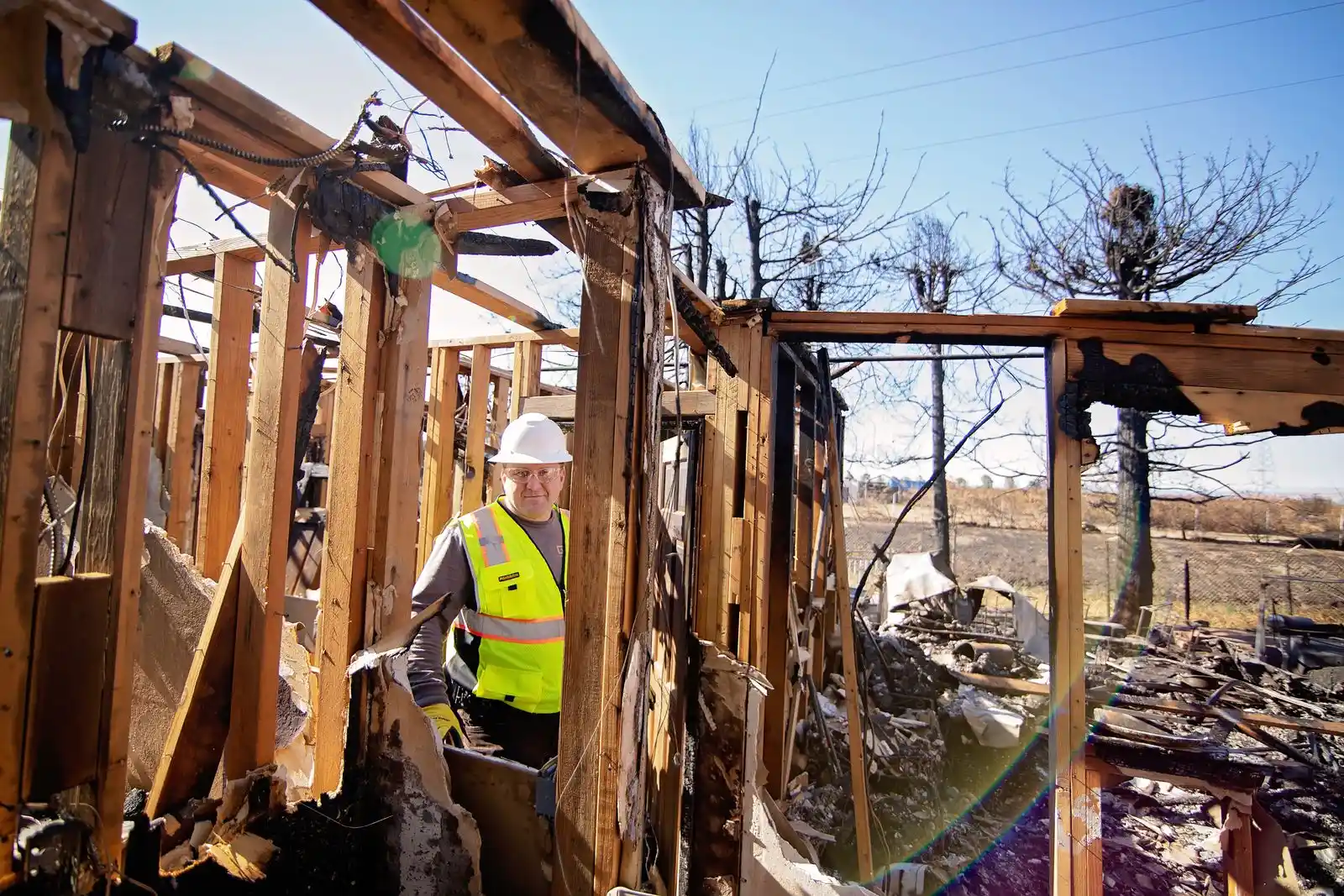
Key Takeaway
To rebuild after the Eaton Fire, Pasadena homeowners must submit a full plan set and obtain a building permit through the Pasadena Permit Center. Properties red-tagged by the City due to the Eaton Fire may qualify for expedited two-week plan review, like-for-like rebuild allowances up to 10% larger than the original structure, and a waiver of most City permit fees under Interim Uncodified Ordinance No. 7444. Confirm your parcel is inside city limits first, since Altadena addresses fall under Los Angeles County and use a separate permitting process entirely.
Rebuilding a fire damaged home inside the City of Pasadena requires plan review and building permits through the Pasadena Permit Center. If your structure was red-tagged by the City because of the Eaton Fire, you may also qualify for expedited plan review, flexible like-for-like rebuild rules, and a waiver of most City permit fees. Before you rely on any of that, confirm your property is actually inside city limits, because unincorporated Altadena is Los Angeles County and runs a separate permitting process.
This is written for a homeowner who lost a house on January 7, 2025 and is now in the planning or contractor-selection stage. One distinction up front: repairing a home still standing with smoke, soot, or water damage is a different process from replacing a destroyed structure. This article covers the rebuild.
First, is your property in the City of Pasadena or unincorporated Altadena (LA County)?
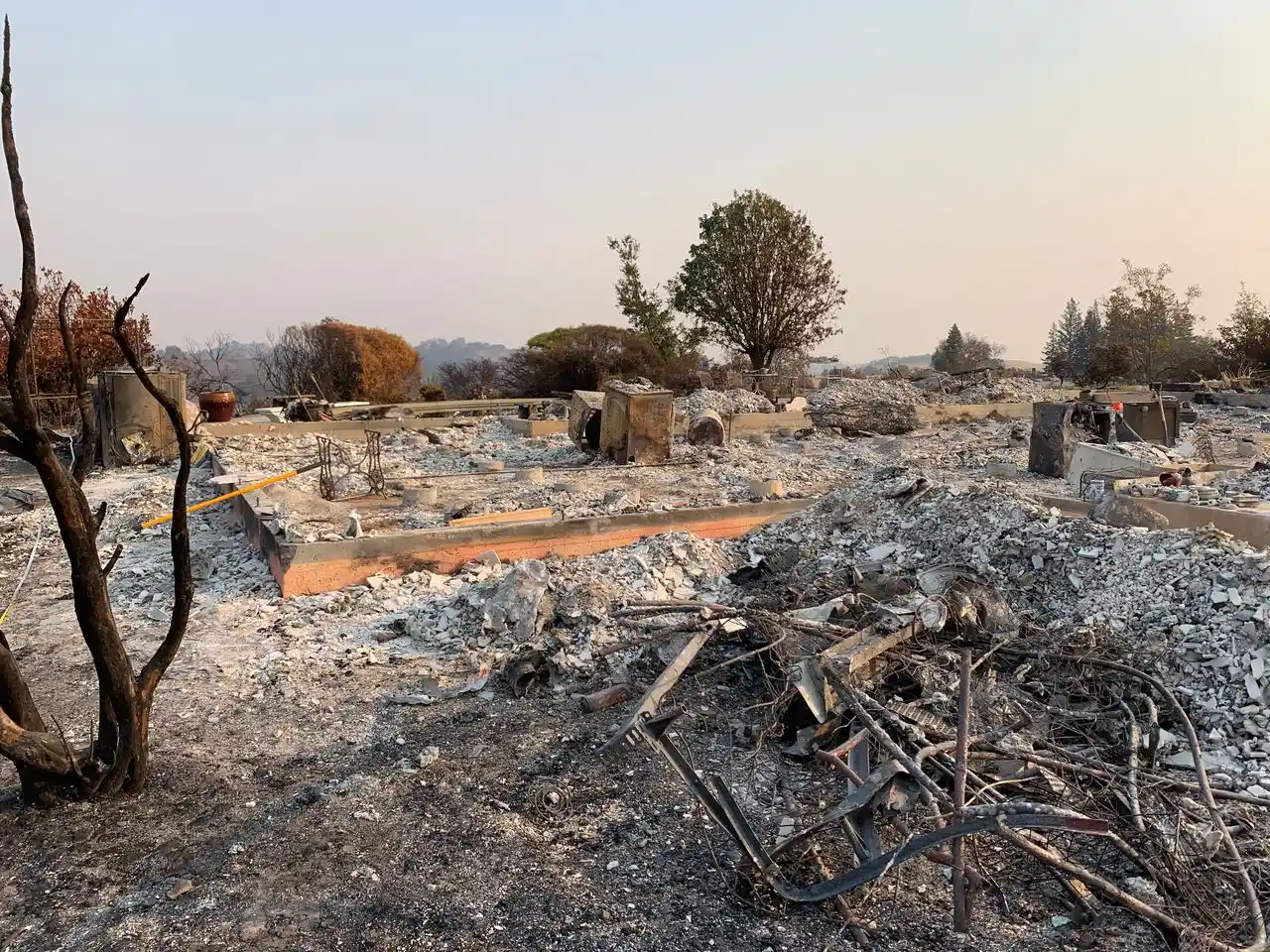
Check jurisdiction by street address before you read a single permit rule. A Pasadena mailing address does not mean the parcel sits inside the city. Altadena and Kinneloa Mesa residents are in unincorporated LA County, and those properties use the County’s own Eaton Fire Disaster Recovery process. Pasadena’s rebuild ordinance, its fee waiver, and its assigned recovery planners do not reach County parcels.
You can confirm this through the City’s address lookup, the Los Angeles County Assessor’s parcel records, or by contacting the City directly. Neighbors have lost weeks designing to the wrong agency’s rules.
Palisades Fire rebuilds follow a different process
The same lesson applies west of here. Palisades Fire rebuilds fall under the City of Los Angeles, a third set of requirements entirely, with its own land use review and its own permit counter.
| If your parcel is in | Permits are issued by | Which rebuild program applies |
|---|---|---|
| City of Pasadena | Pasadena Permit Center | City’s Eaton Fire program: Interim Uncodified Ordinance No. 7444 like-for-like rules, City fee waiver, assigned recovery planners, Eaton Fire rebuild dashboard |
| Unincorporated Altadena or Kinneloa Mesa | Los Angeles County | County’s Eaton Fire Disaster Recovery process, including its own fee-waiver and refund program with separate eligibility rules |
| Pacific Palisades area | City of Los Angeles | A separate set of requirements entirely |
Does your fire damaged property qualify for Pasadena’s Eaton Fire rebuild program?
The streamlined rules apply to structures red tagged by the City because of the Eaton Fire. A red tag means the building was unsafe to occupy. A yellow tag means restricted use. Under the current program, yellow-tag-only properties do not qualify for the rebuild fee waiver.
The City of Pasadena assigns recovery planners to fire properties and offers a 30-minute planning recovery virtual consultation. Use it early. But understand what it is: guidance, not approval. Nothing is approved until plan check says so. Get your tag status and your assigned planner’s name in writing before your architect starts drawing.
What like-for-like rebuilds actually allow in the City of Pasadena
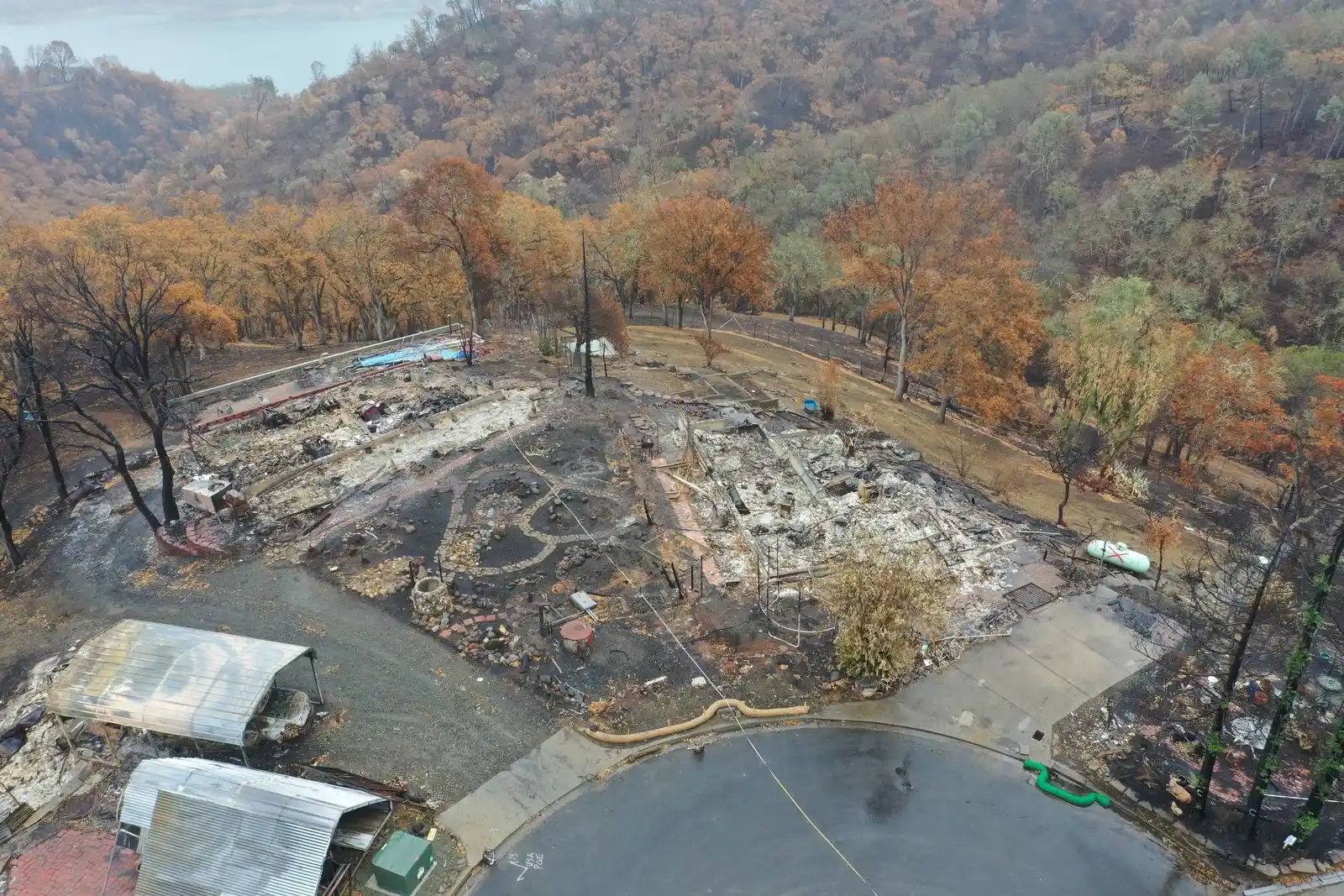
Like-for-like does not mean an exact replica of what burned. It also isn’t unlimited. Pasadena adopted Interim Uncodified Ordinance No. 7444 on March 24, 2025, and it has been extended through March 23, 2027 (re-check that date, since the City can amend it). For eligible red-tagged structures, here’s the shape of it:
| What you’re changing | What the ordinance allows |
|---|---|
| Footprint or gross floor area | Up to 10% or 200 square feet more than before, whichever is greater |
| Building height | Up to 10% more than the previous height |
| Location on the lot | Substantially the previous location, or elsewhere on the site if applicable setbacks are met |
| Setbacks | A previous nonconforming setback may be reused if the nonconformity isn’t increased |
That’s the fork in the road. Stay inside those limits and you keep the streamlined path for like for like rebuilds. Homeowners seeking something bigger or materially different fall back to the ordinary Zoning Code, with historic or hillside review layered on where those apply. Neither choice is wrong. Just make it deliberately, before the plans are done.
Documenting the pre-fire home before you design
Every allowance above is measured against the structure as it stood immediately before the fire. So the City needs reliable evidence of the prior footprint, square footage, height, setbacks, and which structures were permitted. Useful sources include City permit records, old approved plans, County assessor data, a boundary survey showing where your land begins and ends, and your own photographs.
If the pre-fire square footage is fuzzy, or a previous addition was never permitted, that gets resolved before or during plan check. Better to sort it out first. Otherwise the design gets drawn twice, and that’s time nobody has to spare.
What goes in a Pasadena fire rebuild permit application

A residential permit application for single family homes typically includes:
- Site or plot plan
- Floor plans, roof plan, exterior elevations and building sections
- Foundation and framing plans, with structural details and calculations
- Mechanical, electrical, and plumbing plans
- Energy compliance documentation
- Grading plans when applicable
- A soils report less than two years old, when applicable
- Separate permits for electrical, plumbing, mechanical, and possibly fire sprinklers
You are not expected to produce this alone. An architect or designer draws the architectural set, a licensed structural engineer handles the framing plans and calculations, a geotechnical firm produces a soils report if one is needed, an energy consultant prepares the compliance forms, and your general contractor coordinates the pieces and carries corrections back to the City. Those consultant fees are separate from City fees, and they are real costs in a rebuild budget even when permit fees are waived.
One point that trips homeowners up: a geotechnical soils report is not environmental soil testing. The soils report supports foundation and grading design. Environmental testing looks for contaminants like lead. They answer different questions, and the soils report is required “when applicable,” decided by Building & Safety based on your site, grading, and foundation.
Debris removal, utilities, and site access before you apply
Debris clearance generally comes before the rebuild permit application, and debris removal on a burned lot has its own approvals and documentation. Water and electric utilities run on separate tracks with their own fees, and your contractor will need clear access for equipment once grading starts. Sorting these out early keeps the plan check from stalling on something unrelated to the drawings.
Which building, energy, and fire code requirements apply to a 2026 rebuild?
Pasadena’s standard codes are now the 2025 California Building Standards Codes, effective January 1, 2026. The City separately lists the 2022 California codes as an optional code path for Eaton Fire rebuilds. Which one you use changes the plans, so lock it down with your architect, engineer, and the City before the design is finished.
On energy: the California Energy Commission states that qualifying Los Angeles-area wildfire rebuilds may continue under the 2022 Energy Code after January 1, 2026, and that covered rebuilds are not required to install solar photovoltaic panels or battery storage under the cited executive order. That is not the same as saying no rules about solar panels apply. Solar-ready and other energy requirements can still attach.
Fire sprinklers and wildfire-area construction requirements
Wildfire-area requirements in the fire code, including ignition-resistant assemblies and building materials rated for ember exposure, are code decisions rather than optional upgrades. Fire sprinklers are required in many rebuilds, and sprinkler plans are reviewed by the Fire Department’s engineering staff, often on a separate schedule from the building plan check. Defensible space rules around the finished home may also apply depending on your zone, so ask your planner where your parcel falls.
How to submit and track your Pasadena fire rebuild permit

New construction is submitted online through the City’s permit portal. Pasadena also provides assigned rebuild planners and an Eaton Fire rebuild dashboard where you can track rebuilding progress and permit status by address.
Be aware that the City’s own materials aren’t fully harmonized right now. Some PDF checklists still describe multiple paper plan sets while the permit page directs new construction online. Don’t guess. Contact your assigned planner and confirm the current submission format for your specific permit application.
How long does Pasadena fire rebuild plan review take?
The City’s stated targets for the fire rebuild team are two weeks for a first submittal, one week for subsequent submittals, and next-business-day construction inspections. The Fire Department’s Fire Engineering Division separately says a typical fire permit plan review runs about three weeks, depending on workload, complexity, and how clean the submittal is.
A two-week plan-check target is not a two-week building permit. The fast track covers plan review, while fire review, public works, utilities, and grading run on their own clocks, and every correction cycle restarts a clock. These are City service targets, not guarantees. The one lever you genuinely control is submitting a complete, coordinated package the first time.
Is there a fee waiver for Eaton Fire rebuild permits in Pasadena?

Yes, for qualifying properties. Current eligibility generally requires a single family residence or condominium that was owner-occupied as of January 7, 2025, contains one or more structures red-tagged by the City due to the Eaton Fire, has a rebuild meeting the City’s ordinance, has not changed ownership (except a qualifying family transfer), and is not listed for sale.
| Generally waived | Generally not waived |
|---|---|
| Most City plan-check and permit fees across building, fire, public works, transportation, and electric service | Water service fees; a reduced $1,000 refundable Construction and Demolition Waste Management deposit; outside-agency fees; fees for new structures or uses that didn’t exist before the fire; certain school fees if the rebuilt home exceeds the previous permitted area by 500 square feet or more |
If you’re adding something that wasn’t there before, such as one of the accessory dwelling units many Pasadena homeowners are now considering, expect those fees to sit outside the waiver. Confirm the specifics with the City.
The City requests proof of ownership, trust or corporate documents where applicable, two documents establishing primary residence, your insurance declaration and coverage pages if insured, and plans if you apply before submitting them. Some fees are waived at the counter and others come back through a refund program, with approved refund checks generally issuing roughly six to eight weeks after approval. A waiver reduces City fees. It doesn’t make the project free, and no one can honestly price your rebuild costs without walking the site.
How the insurance claim and permitting fit together
Most homeowners are running two timelines at once: the City’s rebuilding process and an insurance claim. They interact. Additional living expense coverage that pays for temporary housing is usually capped by time or dollars, so a long plan check quietly eats your housing budget. Ask your adjuster in writing how your policy handles extensions, and keep dated copies of every permit application, correction letter, and approval. Building code upgrade coverage, if you carry it, is what pays for the current-code items a 2026 rebuild triggers. Your policy language governs, so read it with your adjuster rather than relying on anyone’s summary, including ours.
What happens after the permits are issued

Permit issuance is the middle of the process. Keep the permits and inspection record available at the jobsite, and expect inspection at each required stage:
- Foundation
- Framing and rough mechanical, electrical, plumbing
- Insulation
- Drywall
- Fire and sprinkler approvals
- Final inspection
- Certificate of Occupancy
The City reports next-business-day inspections as a service target for the rebuild program. The Certificate of Occupancy is the document that lets your family move back in, and it comes only after the final approvals clear.
How a licensed fire reconstruction contractor protects you through permitting
Under California state law, CSLB treats disaster rebuilding as home improvement work, which brings real protections. Your contractor must hold an appropriate active California license. Disaster rebuild contracts must use a fixed contract price, so cost-plus and time-and-materials arrangements aren’t allowed for this work. The down payment cannot exceed $1,000 or 10% of the contract, whichever is less. Progress payments cannot exceed the value of work actually completed or building materials delivered. Any home improvement work over $500 in combined labor and materials requires a written contract. CSLB advises getting at least three bids and checking license status yourself. CSLB disaster guidance for fire victims also states that consumers generally have seven business days to cancel a home improvement contract in a declared disaster area.
Practically, the permitted scope should match your signed contract scope, line for line. Someone has to shepherd corrections between the architect, the engineer, and plan check, and licensed subcontractors with documented inspections are what keeps the Certificate of Occupancy on schedule for everyone involved.
Golden Coast Construction & Restoration is a licensed California general contractor, CSLB #838443, verifiable on CSLB’s License Check. We’re IICRC-certified, keep a permanent office in Pasadena serving LA County, offer 24/7 emergency board-up, and tie payments to completed milestones. If you’d like an on-site assessment, contact us and we’ll come look. No honest number exists without seeing the property, and anyone pressing you to sign by a certain date is telling you something about themselves.
Frequently Asked Questions
Who is eligible for a fee waiver for a Los Angeles County fire rebuild?
Los Angeles County runs its own Eaton Fire fee-waiver and refund program, separate from Pasadena’s, with its own eligibility rules. If your parcel is in unincorporated Altadena, check the County’s program rather than the City’s page.
Will Altadena be rebuilt, and does Pasadena handle those permits?
Altadena rebuilding is underway under Los Angeles County’s Eaton Fire recovery process. The City of Pasadena does not issue those permits. Confirm your jurisdiction by address before applying anywhere.
Does every Pasadena fire rebuild need a soils report?
No. The City’s checklist calls for a soils report less than two years old “when applicable.” Your site conditions, grading, and foundation design determine whether one is required, and Building & Safety makes that call.
How do I check my Pasadena rebuild permit status?
Use the City’s online permit portal or the Eaton Fire rebuild dashboard, both of which show status by address. Your assigned recovery planner can also tell you where the file sits.
Can my contractor pull the permits for me?
Yes, a properly licensed contractor can pull the permits. Make sure the permitted scope matches your written contract, and keep a copy of both.
For anything binding, contact your assigned City planner. When you’re ready to have someone walk the property with you, we’re here.