


Key Takeaway
Remodeling a kitchen after a fire requires completing restoration first: the space must be assessed, dried, cleaned of soot and suppression water, and verified safe before any reconstruction begins. Skipping this order risks building new cabinets and finishes over hidden moisture, compromised wiring, or lingering soot that continues causing damage. The EPA recommends drying water-damaged areas within 24 to 48 hours to prevent mold. Restoration and remodeling are two separate phases that must happen in sequence.
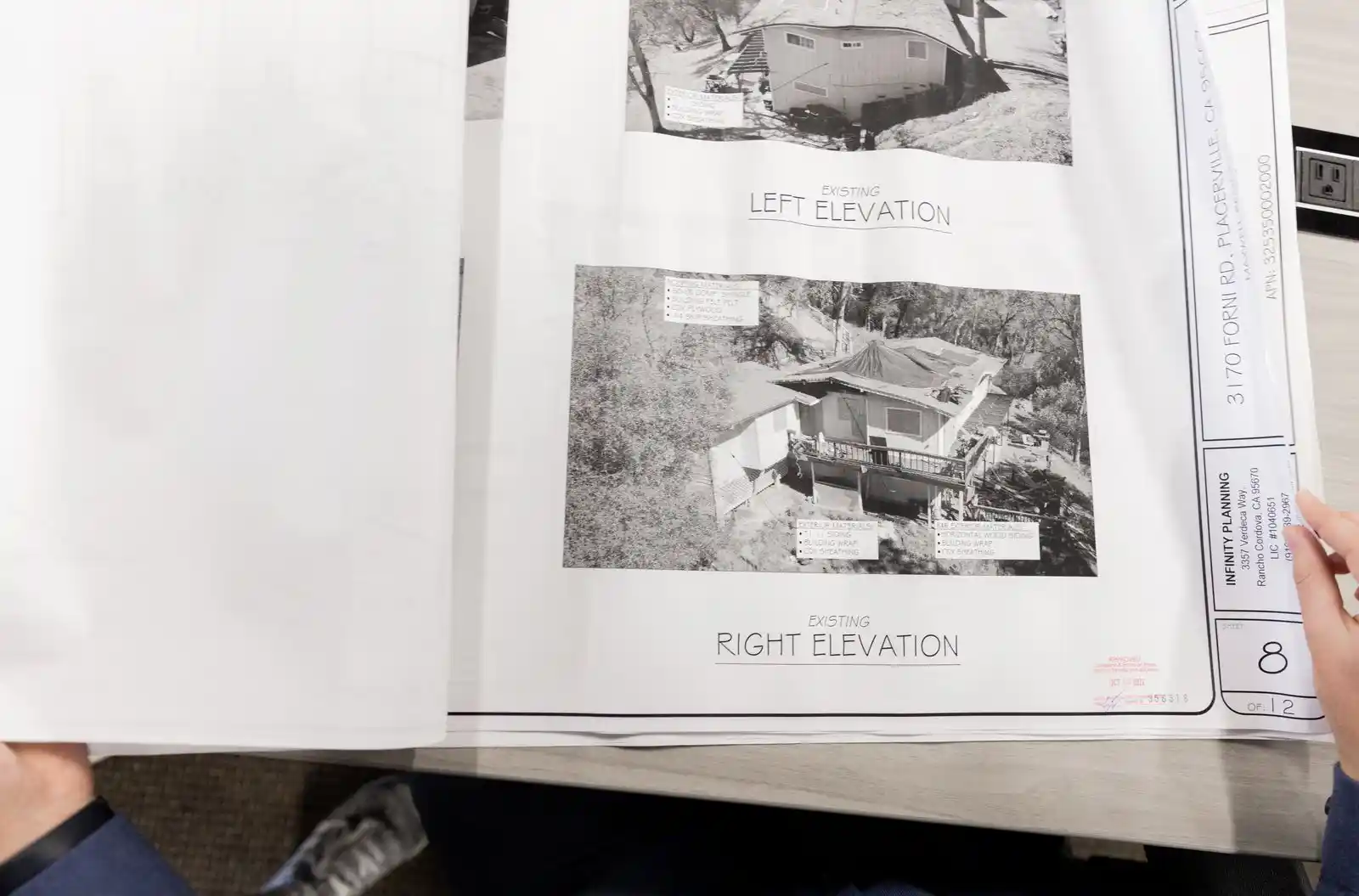
Remodeling your kitchen after a fire should begin only after the home is safe to enter, the damage is documented, and the smoke, soot, suppression water, and damaged materials have been properly addressed. Restoration comes first. Reconstruction and any remodeling choices come second. If you’re past the fire itself but not yet rebuilding, this guide walks you through the safe order of operations, so you don’t pour money into new cabinets, floors, or a fresh backsplash over hidden problems.
Restoration and rebuilding are not the same job
\
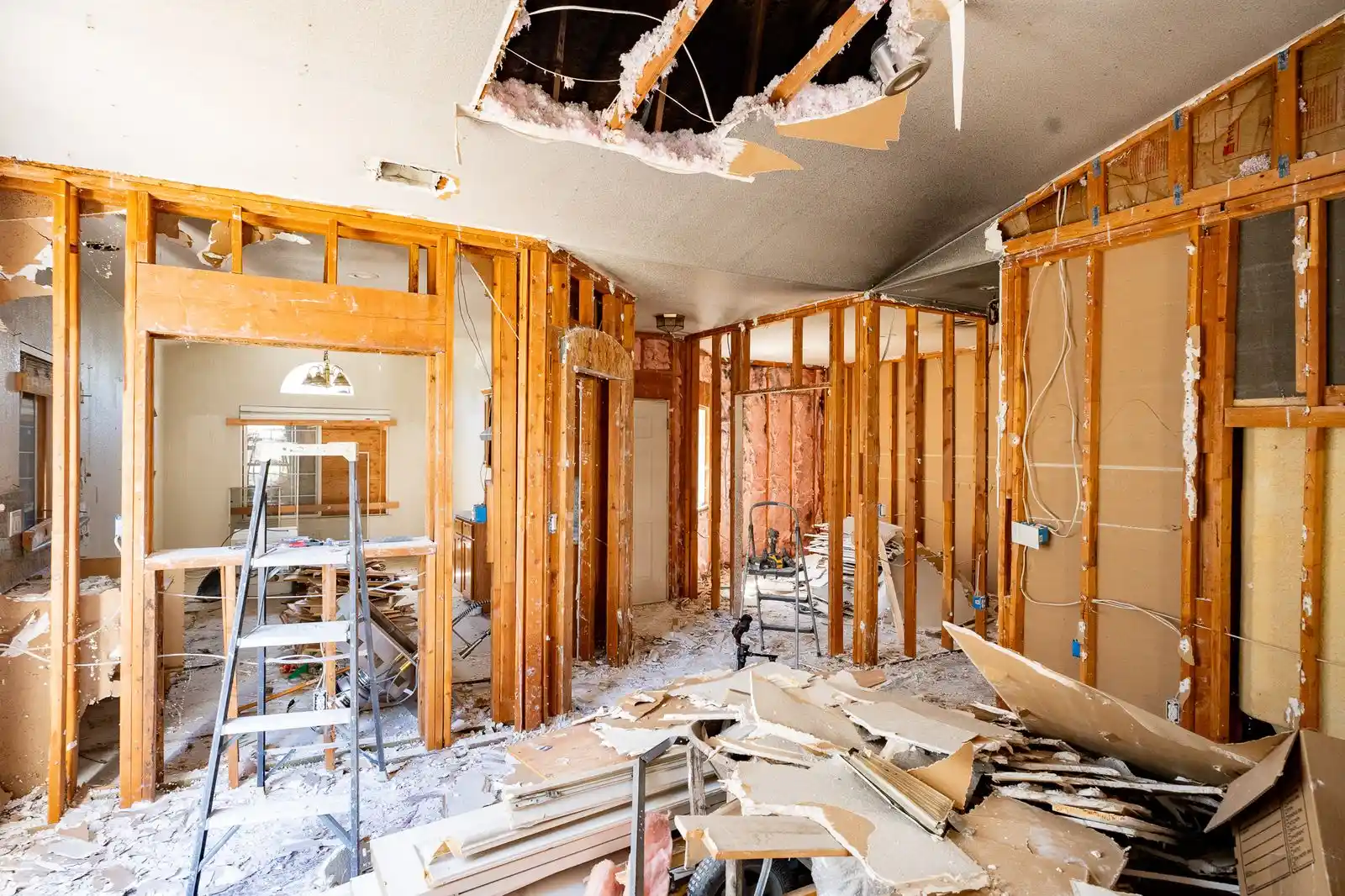
These are two different phases, and confusing them causes real trouble. Restoration means assessing the damage, drying wet materials, cleaning and removing soot residue, treating odor at its source, and figuring out what can be saved. Mitigation and reconstruction are separate steps: the building work that follows includes framing, drywall, electrical, plumbing, cabinets, countertops, floors, and finishes.
The distinction matters because smoke and soot keep causing damage until they’re removed. Fine particles travel into HVAC systems and wall cavities far beyond the visible burn zone. Firefighting water soaks into insulation and subfloor, and water damage spreads if it isn’t dried in time. The EPA recommends drying water-damaged areas within 24 to 48 hours to limit mold. The ANSI/IICRC S700 standard covers fire and smoke restoration, and it deliberately does not cover reconstruction. That’s the line a good contractor respects.
| Restoration phase | Reconstruction phase |
|---|---|
| Assess fire, smoke, soot, and water impact | Rebuild removed or damaged components |
| Dry affected materials and verify readings | Install framing, drywall, cabinets, floors |
| Clean and remove residues, treat odor | Complete electrical, plumbing, finishes |
| Determine what is salvageable | Build the approved scope and design |
Unseen damage hiding behind a kitchen fire
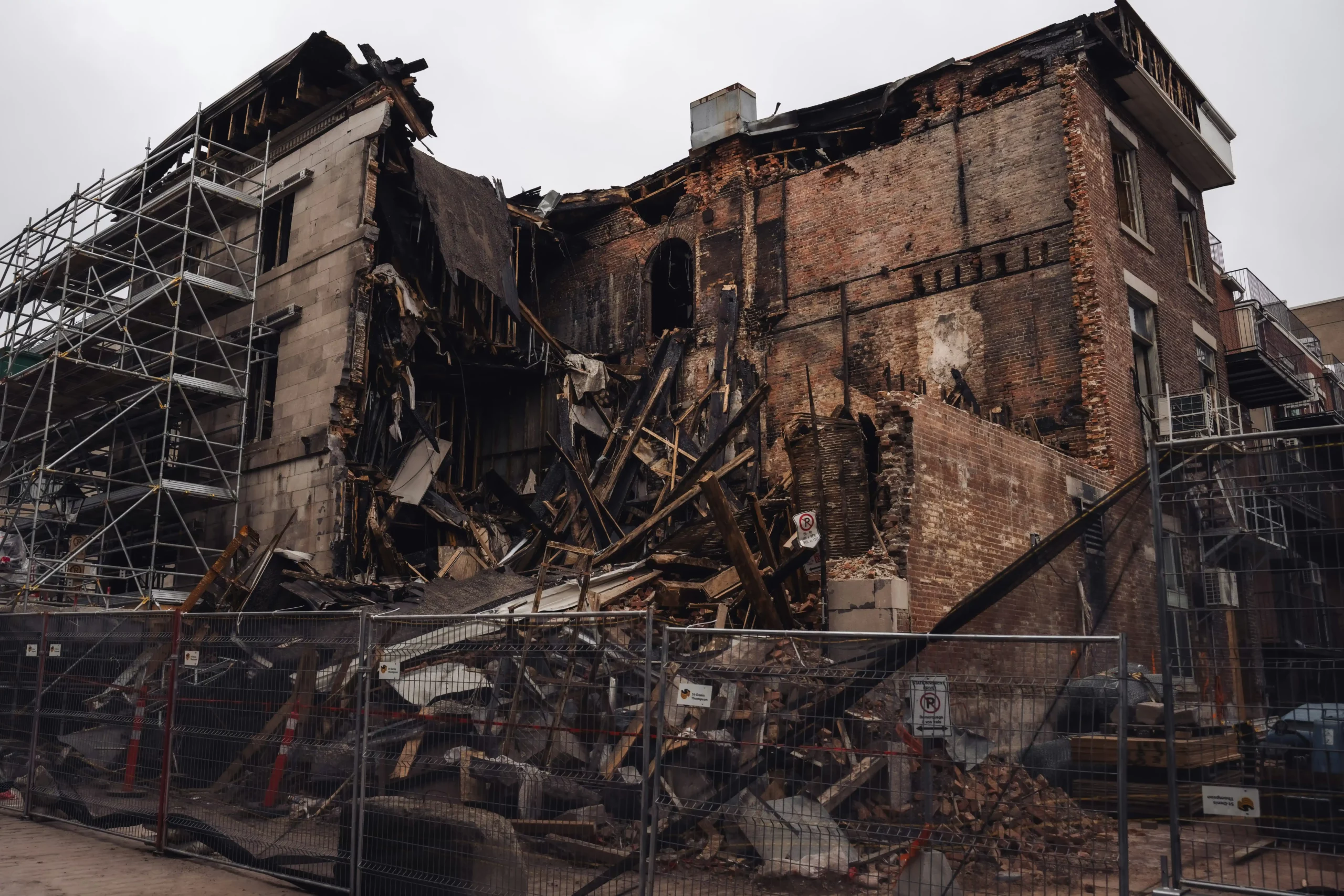
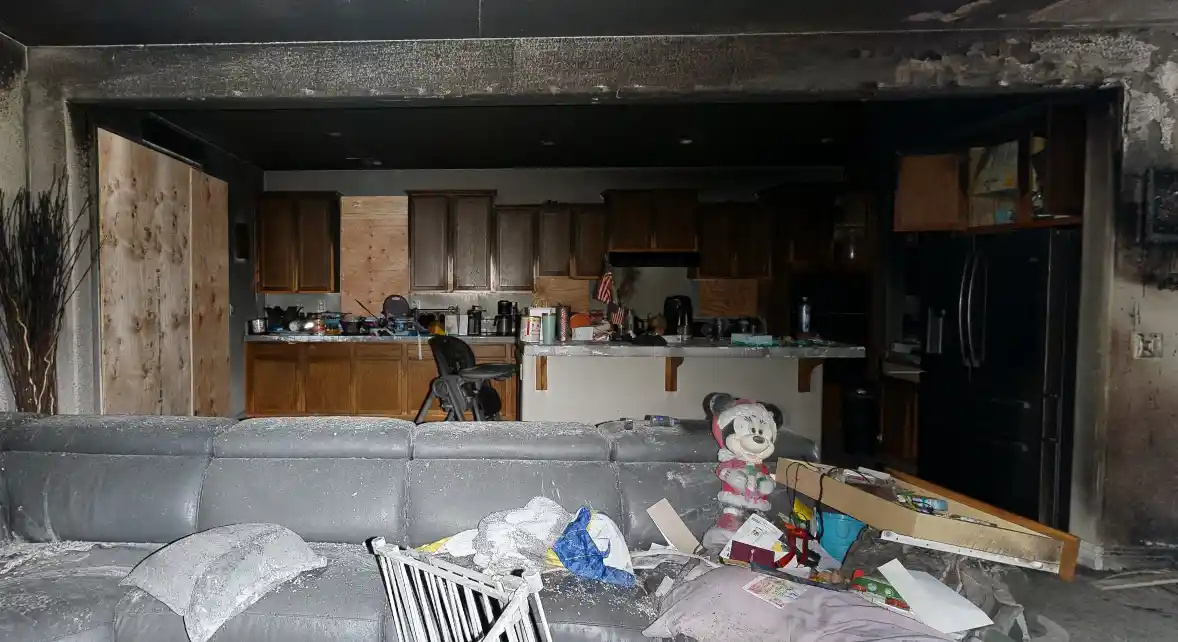
The worst harm is often the unseen damage, and that’s exactly why an assessment matters before anyone talks about new finishes. After a kitchen fire, the heat often moves well past the room where it started, and sometimes through the entire home. A proper inspection checks:
- Heat and flame damage to framing and structural members
- Smoke and soot that migrated into walls and HVAC ducts
- Trapped suppression water in insulation and subfloor
- Electrical wiring and gas lines that heat may have compromised
- Structural integrity, which soot and prolonged exposure can degrade
- Possible lead or asbestos in older materials
You can’t build over hidden soot, lingering moisture, or heat-damaged wiring and expect it to hold. Residue keeps corroding and causing odor. Wet cavities grow mold. Compromised wiring is a fire risk of its own. This isn’t cause for panic. It’s the reason the work starts with inspection instead of demolition.
What can be saved, and what has to be replaced?

There’s no honest blanket answer here. Charred or heat-warped materials usually need full replacement, while soot-dusted walls and surfaces away from the heat can often be cleaned by hand with the right equipment. The determination belongs to someone who has inspected the material in person. Plenty can be salvaged that first looks lost.
| Component | May favor restoration | May favor replacement |
|---|---|---|
| Cabinet boxes and doors | Surface soot, no warping | Charring, swelling, delamination |
| Countertops and island | Stone with light residue | Cracked, heat-scarred surfaces |
| Drywall and insulation | Dry, light smoke film | Wet, scorched, or soot-saturated |
| Floors and subfloor | Sealed, dry, cleanable | Water-swollen or burned |
| Appliances and range hood | No heat, water, or chemical exposure | Direct heat, soot, or extinguisher residue |
Appliances exposed to direct heat, water, soot, or extinguisher chemicals need qualified evaluation, not an automatic trip to the curb. Keep them off until the electrical service and the equipment are checked. Food touched by smoke, fumes, or firefighting chemicals should be discarded, since fumes pass through packaging and fridge seals aren’t airtight (foodsafety.gov). Don’t attempt soot cleanup yourself. Anyone deciding what to replace without seeing it is a red flag.
How your insurance company and remodeling choices fit together
Your policy generally pays to restore the kitchen to its pre-loss kind, quality, and function, subject to your terms and limits. That’s covered loss. A new layout, premium finishes, a larger island, or added cabinetry is homeowner-selected betterment, and it falls outside the covered scope. Two terms worth knowing: actual cash value accounts for depreciation, while replacement cost replaces with similar kind and quality without that deduction.
Ask for a scope of loss written line by line. When concealed damage surfaces, that’s what a supplement is for. Code-upgrade or ordinance-and-law coverage isn’t always included, even when the city requires current-code repairs. The policy and insurance company decide coverage, not your contractor, so have your contractor separate covered reconstruction from elective remodeling in writing, and document everything before cleanup begins.
A safe order of operations for remodeling your kitchen after a fire
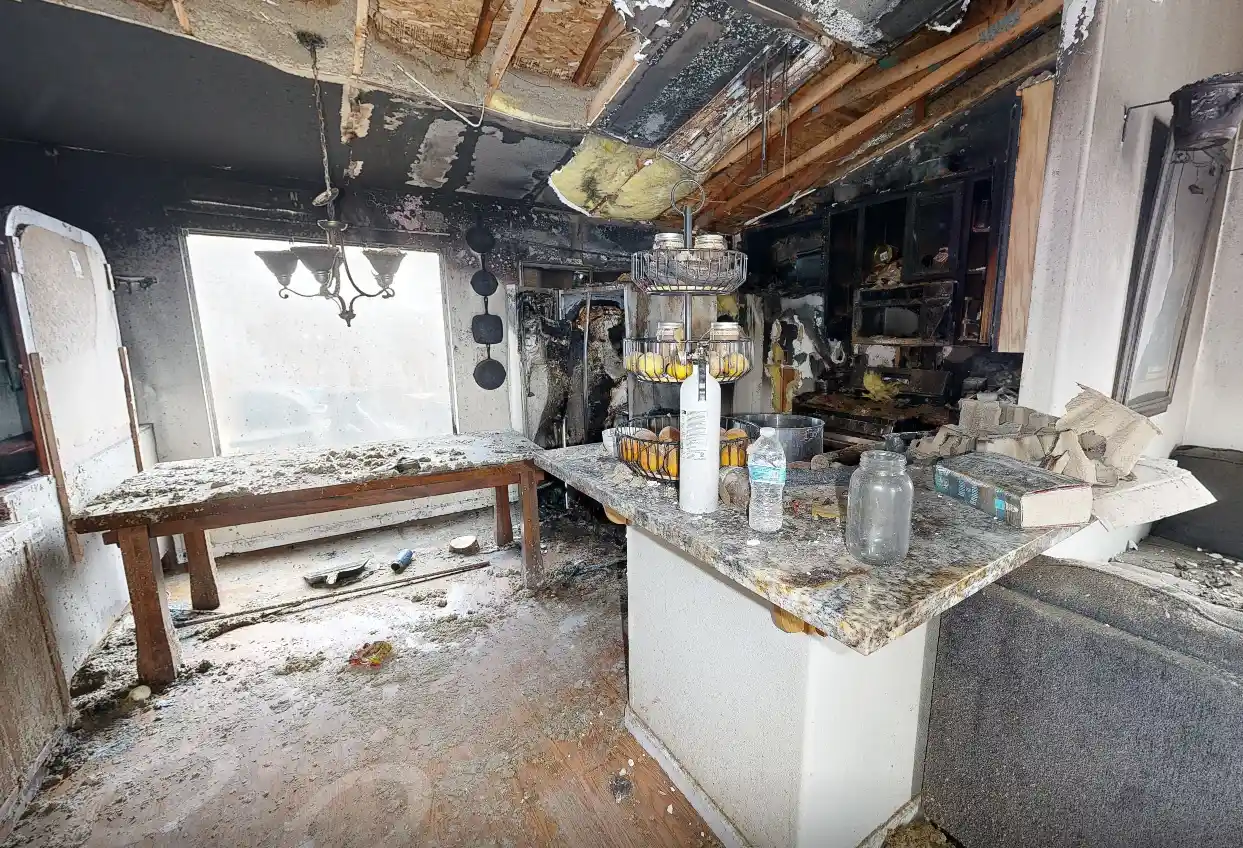
- Get safe-entry clearance and document the fire damage with pics
- Insurance inspection and initial scope of loss
- Fire, smoke, and suppression-water assessment
- Hazardous-material testing where warranted
- Selective demolition and source removal
- Drying, cleaning, and odor treatment
- Moisture and condition verification
- Final reconstruction scope and kitchen design
- Permits and plan review
- Rough work and inspections, then cabinets, counters, floors, finishes, final inspection, and completion documents
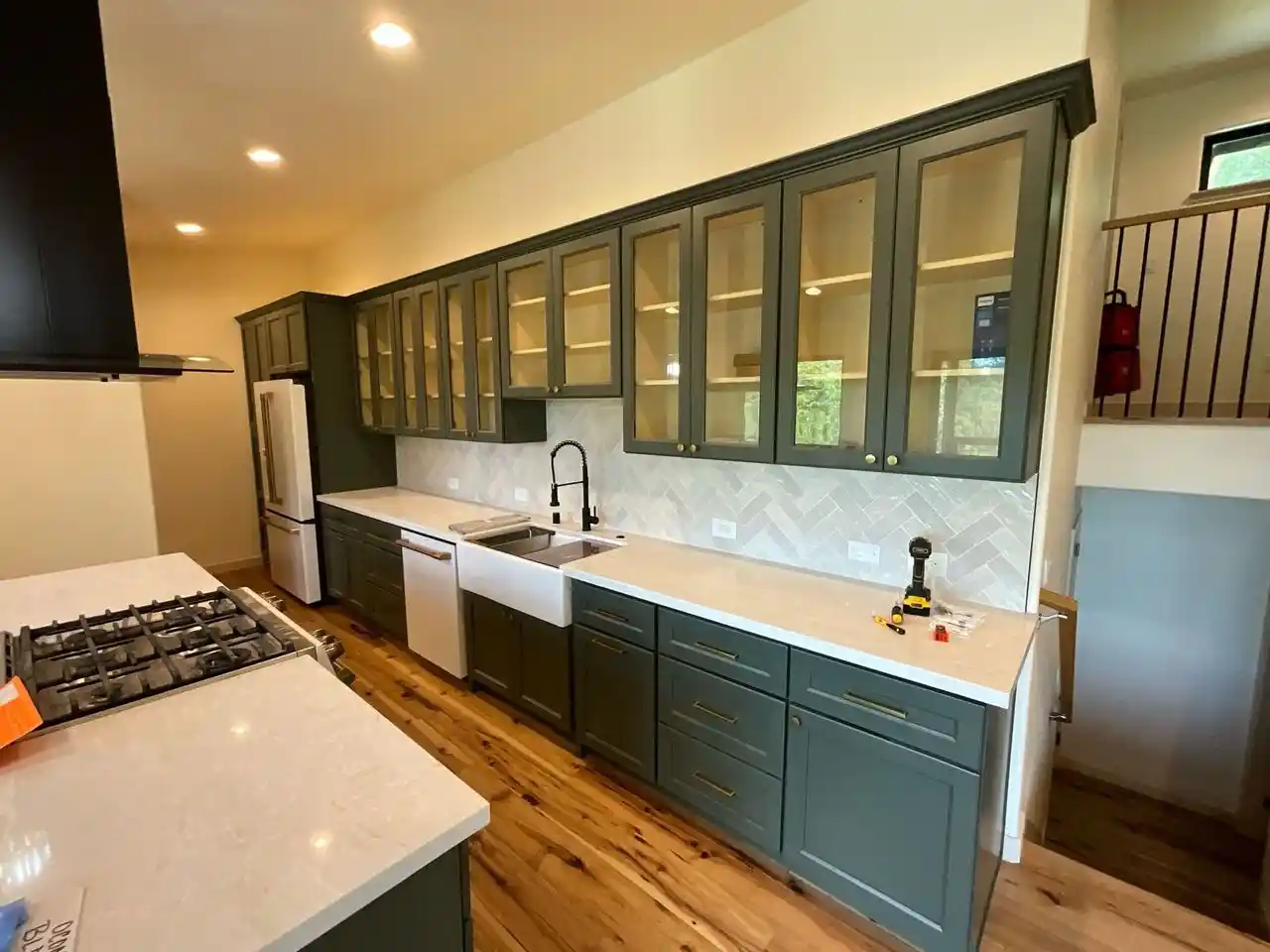
Design and finishes come last, after the substrate is verified dry and clean. This is the step where color, paint, and material ideas belong, once the hard part is behind you. A backsplash in tile, copper, or brick, cabinet color from a soft gray to a dark walnut you love, a deeper sink, the details that make the space feel warm and like yours again. Think through storage, seating at the island, and how the room will serve daily life, since that is the comfort you are rebuilding toward. If you feel tired of how it looked before, there is room for changes here, and a kitchen designer can help you shape them. Plan to repaint or fully redo the walls, and decide between white cabinets and something richer. Ventilation planning for the range hood and exhaust belongs in the design phase too, not as an afterthought. If the fire also touched an adjoining dining room, fold those repairs into the same scope so the finishes match across both rooms.
What California and Pasadena homeowners should know
The 2025 California Building Standards Code took effect January 1, 2026. Pasadena requires a permit when kitchen work includes relocating cabinets or countertops, electrical work, exhaust-hood work, or moving a sink, dishwasher, or island. Countertop-only replacement and cabinet refacing are listed exceptions. The city calls for at least two inspections, rough and final, and new framing shouldn’t be enclosed above 19% moisture content.
In pre-1978 homes, EPA’s lead-safe rules apply to paid work disturbing paint beyond 6 square feet interior or 20 square feet exterior, with demolition and window work covered regardless. So stripping old painted walls and trim can trigger those rules. South Coast AQMD Rule 1403 generally requires an asbestos survey before materials are disturbed, including fire-related emergency work. Under CSLB rules, home-improvement contracts over $500 must be written, and the down payment is capped at 10% or $1,000, whichever is less. Verify any contractor on the CSLB license lookup. Cancellation periods vary by contract, buyer age, and declared-disaster status, so confirm specifics with Pasadena Building & Safety.
Frequently Asked Questions
Do you have to rebuild the same house after a fire?
Insurance generally covers restoring to pre-loss kind and quality. You may choose betterments, but those fall outside the covered scope. The policy and insurance company decide what’s covered.
What should you not do when remodeling a kitchen after a fire?
Don’t start design or finishes before the space is assessed, dried, and cleaned. Don’t DIY soot cleanup, skip permits, or sign a contract with a large upfront payment or under pressure.
What are the best practices for fire safety in a rebuilt kitchen?
Plan proper range-hood ventilation, working smoke and carbon-monoxide alarms to current code, and durable, easy-to-clean materials for the walls and floors.
Is it cheaper to rebuild or renovate after a fire?
It depends on how much structural damage exists. Only an on-site assessment answers it honestly. No sight-unseen figure is reliable. If you have a question about your own scope, leave a comment below or ask during the assessment.
Talk to a licensed fire restoration and reconstruction specialist
We acknowledge how emotional this moment is, and there is real hope in rebuilding a home back into part of your community. One licensed contractor who handles both phases protects you better than a remodeler who starts with finishes, a handyman who can’t manage permitted structural repairs, or an unvetted contractor demanding heavy payment upfront. That is why it pays to hire carefully. Golden Coast Construction & Restoration is a California-licensed, fire-focused contractor (CSLB #838443), IICRC-certified, with a permanent office that serves Pasadena and Southern California and 24/7 emergency board-up. We coordinate directly with your adjuster, test for hazardous materials where warranted, run QA inspections at milestones, tie payments to completed work, continue the job through to the end, and provide a signed certificate of completion to ensure the work is documented. When you walk the finished space, it should make sense as yours again, down to the last bit of trim. Invite us for an on-site assessment. A reliable scope or price requires seeing the property.