Key Takeaway
Restoring fire damaged photos requires stabilizing the original first before any cleaning or scanning. Do not rub soot, pull stuck prints apart, or apply heat to wet photographs. Many photos can be recovered if treated within 24 to 48 hours, but items made before 1950, stuck to glass, or showing flaking emulsion need a professional conservator, not household cleaners.
Many fire damaged photos can be restored, but the first job is to stabilize the original, not to clean it. Don’t rub soot off, don’t pull stuck photographs apart, and lay wet photos flat to air dry with the image side up. For anything irreplaceable, made before 1950, stuck to glass, melted, or clumped together, stop and call a photograph conservator.
Here’s a condition by condition plan for the pictures in front of you. Keep two jobs separate: saving the physical photograph, and restoring the image digitally. Different work, different professionals. Photos hold more of a family’s life than almost anything else in the house, and there is real hope in a stack that looks ruined.
Before You Touch the Photos: Is It Safe to Be in the House?
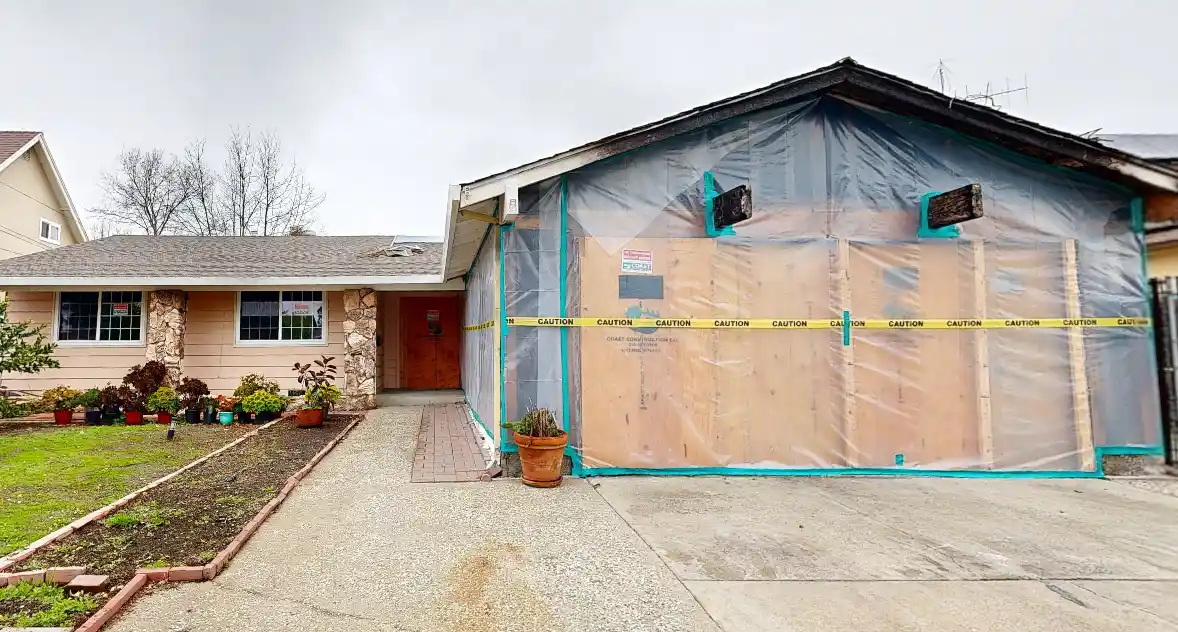
Go back in only after officials clear the property. The U.S. Fire Administration warns about unstable building structure, hot debris, and live utilities. Los Angeles County Public Health notes that ash and fire debris can contain heavy metals, PAHs, and dioxins, so Pasadena and LA area readers should follow local reentry directions. Wear gloves, and don’t dig through debris alone. Sooty photos will keep another day.
What Kind of Fire Damage Do Your Photos Have?
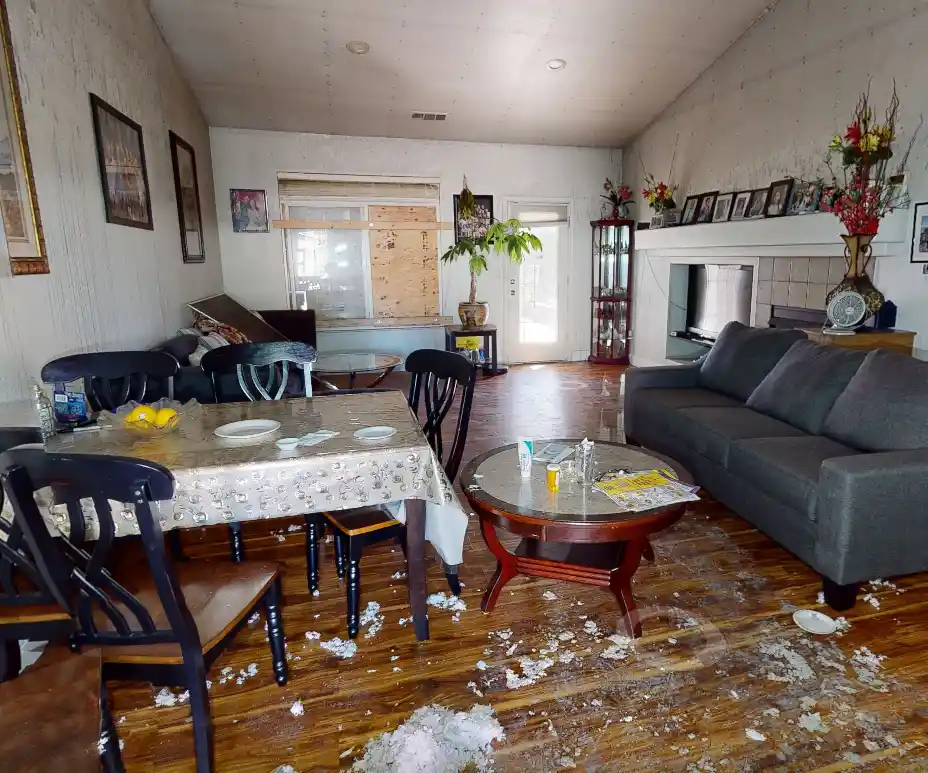
A house fire rarely leaves one clean problem. Photos from a single album can carry dry soot, oily smoke residue, ash and dirt, heat warping, brittleness, water damage from the hoses, prints fused together, mold, and burned away image areas all at once. Damp paper keeps causing further damage every hour, so find the worst condition in the stack and treat that one first.
| Condition | Do this now | Do not |
|---|---|---|
| Dry, loose soot and smoke film | Handle by the edges, gloves on | Wipe, scrub, or use canned air |
| Wet but separate | Air dry flat, image side up | Stack, blot the image, apply heat |
| Stuck together | Keep damp and supported, call a conservator | Peel or pull apart |
| Stuck to frame glass | Leave it framed, dry glass side down | Pry it off the glass |
| Scorched or brittle | Support it from underneath | Bend, flatten, or trim burned edges |
| Melted or flaking emulsion | Stop handling it | Press under a scanner lid, apply cleaners |
| Old or unknown process | Isolate it, ask a conservator | Soak or freeze automatically |
How Do You Get Soot and Smoke Damage Off Fire Damaged Photos?

Mostly, you don’t. Smoke residue is oily, and rubbing grinds it into the gelatin emulsion, where it stays. Loose soot often sits on top of the emulsion, so the images underneath may be fine. The Library of Congress treats soot removal on unique items as high risk: blot, never rub, and use an air bulb rather than canned air. With smoke damaged photos, no contact is the safer call. Household chemicals, erasers, and sponges can bleach or dissolve an image, and never rinse a photo under a tap. If a dry, stable print still carries a smoke smell, box it with an open dish of baking soda or activated charcoal set beside it, never touching the print. A smoke damaged painting on the wall needs a conservator too.
How Do You Dry Water Damaged Photos After a House Fire?
Water damage and fire damage arrive together, because the hoses that saved the house soaked what was inside. The EPA advises drying wet items within 24 to 48 hours to reduce mold risk, and the National Park Service says irreplaceable wet photographs need action within 48 hours. Past that window, mold growth is likely, and mold damage on an emulsion is a conservator’s job.
- Triage in this order: color prints, then black and white, then negatives and slides.
- Remove photos from frames or sleeves only if they release with no resistance.
- Lay each one flat, image side up, on clean absorbent paper.
- Use gentle room airflow, not enough to make them flap or touch.
- No hair dryer, no space heater, no direct sunlight. FEMA is clear on that.
Should Wet Photos Be Frozen?

Freezing buys time when there are more wet photos than you can dry inside that window. FEMA suggests interleaving them with freezer or wax paper, then sealing them in a clean bag. But freeze everything is bad advice: FEMA says not to freeze glass negatives or plates, and the Library of Congress excludes cased photographs such as daguerreotypes. If you don’t know the process, ask first.
Photos Stuck Together, in Albums, or Stuck to Frame Glass
When wet emulsion bonds to something, force is the enemy. The National Park Service says not to pull apart photos stuck to each other or to glass, and FEMA says not to force album pages open. A picture stuck to frame glass should stay in the frame and dry glass side down. Modern prints may be soaked in clean water for no more than 48 hours to help them separate, but never soak photographs made before 1950.
Physical Conservation vs. Digital Photo Restoration

Physical conservation restores the object. Digital photo restoration restores the image. Confusing the two is how originals get ruined: no editing skill will repair a wet or flaking emulsion, and a scan can be corrected years later once the print is stable.
| Physical conservation | Digital photo restoration |
|---|---|
| Treats the original object | Treats a scan or camera capture |
| Stabilizes, cleans, separates, repairs | Corrects stains, contrast, color, tears |
| Preserves the original evidence | Produces a usable print copy |
| Does not invent lost image data | May infer missing detail |
What Can Honestly Be Restored, and What Can’t
Often restored: loose soot, surface deposits, minor staining, fading, small tears a conservator can repair, some warping.
Needs a specialist: photos stuck together, mold, flaking emulsion, brittle paper, older photographic materials.
Lost forever: images consumed or melted by fire. The picture information isn’t hiding under the char. It burned.
Digital tools can fill a missing corner, a background, even a face, using what surrounds it. The result can look amazing on screen, but inferred content is not recovered content, so label reconstructed detail as reconstruction.
When to Call a Conservator About Old Photos and Slides
Call one for anything irreplaceable, stuck to glass or another photo, flaking or lifting, made before 1950 or of unknown process, and for daguerreotypes, tintypes, glass negatives, and slides. Deterioration speeds up once an old photo gets wet. Call also for active mold, or for more wet pictures than you can stabilize in time. The American Institute for Conservation keeps a Find a Conservator directory. Many professional restoration studios work by mail; ask how they want items packed, and never send wet or moldy photographs through the post.
Hard Drive Recovery and Other Places Copies Hide

Phones, memory cards, and a scorched hard drive can be worth a call to a data recovery lab, where technicians work the platters rather than the burned case. Labs diagnose first and quote after, so request a written estimate from two of them. Then search old email and photo sharing sites, and ask family and neighbors: copies of your images and videos are often already on someone else’s drive. A post in a neighborhood or community group can help, and one comment may turn up a picture you thought was gone.
Documenting Fire Damaged Photos for Your Insurance Claim
The California Department of Insurance Residential Property Claims Guide (revised February 28, 2025) says to photograph damaged personal property and not to throw anything out until the adjuster says so. Take pictures of each album, box, or bundle of damaged documents in place if it’s safe, number them, and note the condition: wet, sooty, smoke stained, scorched. That record is essential later. Ask before any irreversible cleaning, off site shipment, or disposal.
Scanning and Storage Tips Once Your Photos Are Stable

Skip auto feed scanners for fragile or bent photographs, and don’t let a scanner lid crease them. The Library of Congress warns against forcing curled photos flat under glass, since a bit of pressure can crack the emulsion. Scan the complete object, damaged edges included, at the highest resolution your equipment allows for better results. Create digital copies, keep the untouched master file, and back the images up in more than one place. Store originals at 70°F or below and 30 to 50% relative humidity, and treat a musty sign as a reason to check them again.
How a Fire Restoration Company Fits In
Golden Coast Construction & Restoration is a fire restoration and reconstruction company, not a photograph conservation studio or a retouching service. Our crews secure the property with emergency board up, handle smoke and soot cleanup, inventory affected contents, control suppression water moisture inside that 24 to 48 hour window, and flag items that need a conservator rather than a generic cleaning method. We’re IICRC certified and licensed in California as a General Contractor, CSLB #838443, with a permanent Pasadena office and 24/7 emergency response. Milestone payments are written to protect you. Ask any company whether someone walks the property before writing an estimate; a firm price quoted sight unseen is a red flag. Contact us when you’re ready, and tell us where the photos and other memories are stored so we flag them before cleaning starts.
Frequently Asked Questions
Can damaged photos be restored?
Many can, depending on whether the emulsion survived. Stabilize the physical photos first, then restore the image.
Can AI restore a face that burned away?
No. It generates a plausible face from surrounding pixels. That’s reconstruction, not the original likeness, and it should be labeled that way.