


Key Takeaway
A roof permit is required in California whenever fire damage reaches the decking, rafters, trusses, or triggers a full reroof – not just when shingles burn. Most structural roof repairs after a fire need a building permit and inspections before permanent work begins. Minor nonstructural patches may be exempt in some jurisdictions, but exemption thresholds vary by city and county, with no single statewide rule. Confirm your local requirement before any permanent work starts.
If your fire repair involves roof replacement or damage to the sheathing, rafters, trusses, or other structural parts, assume a building permit is required, and confirm with your city or county before any permanent work begins. Minor, nonstructural patching may be exempt in some California jurisdictions, but there is no single statewide roof-area threshold that decides this for you. This guide is for a homeowner standing in front of a fire-damaged roof, somewhere in the middle of a hard recovery, trying to figure out what’s allowed and what protects you. You’ll get a decision framework here, not just “call your city.”
One distinction matters before anything else: covering an opening to stop further damage is not the same as permanently repairing or rebuilding the roof. Those are two separate steps, with two different sets of rules. We’ll keep them separate throughout.
What a Building Permit Actually Is, and Why It Protects You

A roof permit is official authorization from your local building department to do the work. It isn’t a formality. It ties the job to inspections that confirm the work meets code for materials, installation, fire safety, and structural strength. When the permit closes with a final inspection and signoff, you have a documented, code-reviewed record of exactly what was done to your home.
That record is protection, not red tape. It’s proof the work was done right, and it travels with the house if you ever sell. California’s rules are current as of the 2025 California Building Standards Code, which the California Building Standards Commission made effective January 1, 2026. That edition includes the residential, existing building, fire, and new Wildland-Urban Interface codes. Your local building department enforces them, and the permit process is how those codes reach your actual roof.
Restoration vs. Reconstruction: The Distinction That Decides the Permit
Two words get blurred constantly, and the difference changes everything about the permit type you’ll need.
Restoration is cleaning, mitigation, and limited repair: replacing damaged covering, underlayment, flashing, and small sections of decking. Reconstruction is rebuilding trusses, rafters, roof geometry, or a major portion of a fire-damaged home after structural loss, which is closer to new construction than to a patch. These are genuinely different scopes, and they follow different permit paths with different plans, inspections, and fees.
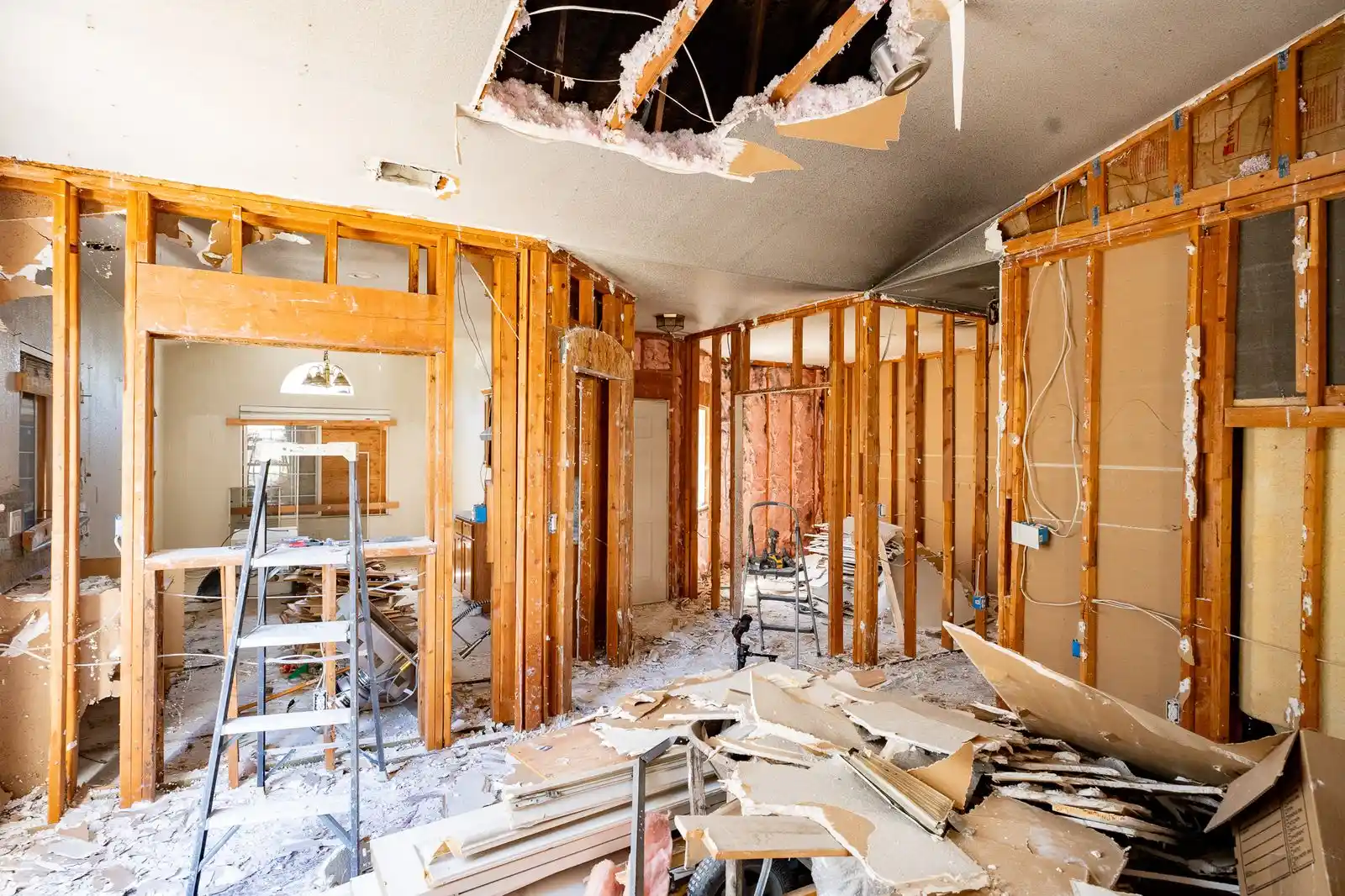
Here’s the honest center of the whole question: the permit depends less on how many shingles burned and more on what lies beneath them. A roof can look repairable from the ground while heat has reached the decking, the framing connections, or the rafters. Until someone qualified looks at what the fire actually touched, you don’t yet know whether you’re looking at restoration or reconstruction, or which permit type applies. Everything below builds on that single idea.
When You Need a Permit for Fire-Damaged Roof Work
Certain scopes almost always require a building permit in California. Expect to pull one when the work involves:
- A full reroof or complete roof replacement.
- Decking or sheathing replacement.
- Rafter, truss, beam, or other structural repair.
- A change to the roof’s pitch or shape.
- Adding, moving, or closing skylights or roof openings.
- Related solar, electrical work, HVAC, plumbing-vent, or gas-vent work.
Fire rarely stops at the surface. The covering can look intact while the deck underneath, the framing connections, the wiring, or rooftop equipment took real damage. That hidden scope is exactly what a building permit and its inspections are meant to catch. The permit process can surface inadequate structural support in your roof structure before anyone covers it back up.
The baseline rule is straightforward. The Contractors State License Board says a building permit is generally required before you construct, alter, repair, or demolish a regulated structure. The code exempts “ordinary repairs,” but that category does not cover cutting or removing a load-bearing support. Fire damage that reaches rafters, trusses, or a substantial part of the roof deck isn’t an ordinary repair, so you need a permit for it.
Solar, electrical work, and rooftop equipment can add separate permits
A roof permit may not be the only approval you need. When solar panels, batteries, air conditioning and other HVAC equipment, plumbing or gas vents, skylights, or damaged wiring have to be removed and reinstalled, those systems commonly trigger their own separate permits for electrical or mechanical work alongside the reroof. Name everything on the roof when you define the scope, so nothing gets missed and no permit type gets left off the application.
When a Minor Roof Repair Might Be Exempt (and Why There’s No Statewide Rule)
This is the nuance most articles get wrong. California has no uniform statewide roof-area threshold. Each city and county defines its own exemption, so a number that’s true in one place is simply wrong in another. A few real examples, each local only:
- San José: a permit is required when at least 25% of the roof is repaired or replaced within a 12-month period; smaller work may be exempt if it doesn’t affect framing.
- Riverside County: public guidance uses a threshold of more than 25% of the roof area.
- Sacramento County: its reroof policy exempts repairs not exceeding 10% of the roof area, up to 400 square feet, whichever is less.
Those figures don’t average into a California rule. The accurate way to think about it: minor repairs that are nonstructural may be exempt, but your local building department defines the exemption, and so does the city you’re in. Confirm with that department before permanent work begins, and get the answer tied to your actual scope rather than a guess from the ground. Cities and counties run their own building departments, so the permit requirement for a single family home can differ from one address to the next. The same logic applies to commercial projects, where exemption thresholds and permit fees for commercial permits are often handled differently than they are for residential permits.
Emergency Tarping Is Not the Same as Permanent Roof Repair

Covering an opening to keep weather out often needs to happen right away. Pasadena Fire advises owners to take reasonable steps to protect the property from further damage, which includes covering holes in a roof or wall. That’s where our 24/7 emergency board-up comes in: stabilizing the opening so a storm doesn’t turn one loss into two, including stopping leaks before they reach the living space below.
Before anyone places a tarp, photograph the damage. Don’t let temporary cover conceal structural harm underneath, because that scope still has to be assessed and permitted. Temporary protection being allowed quickly does not mean all tarping is automatically permit-exempt everywhere, and it isn’t authorization to start permanent repairs. Some jurisdictions, including Sacramento County, direct applicants doing qualifying emergency roof work to file the permit application by the next business day. Confirm the permit path and any required plans before permanent replacement starts.
Which Part of the Roof Is Damaged? A Permit Scope Table
Because the permit follows the scope, it helps to map the damage to its likely permit path. Use this as a starting read, not a final answer from your department.
| Scope | Likely permit path |
|---|---|
| Tarp or weather protection | Confirm locally; not permanent repair |
| Small in-kind covering patch | May be exempt locally |
| Full covering replacement | Reroof or building permit often required |
| Sheathing or roof-deck repair | Permit and inspection likely |
| Rafters, trusses, beams | Building permit; plans or engineering may be required |
| Broader fire loss | Reconstruction permit plus coordinated trade permits |
Once the damage reaches framing, the project usually moves past a basic reroof permit. Roof collapse, displaced framing, or damaged rafters and trusses can require detailed plans from a licensed architect or engineer, depending on what the fire did to the load paths. Those plans go through plan review before the city issues the building permit. If your scope also touches site grading, retaining walls, or accessory structures that burned alongside the house, those elements carry their own permits too.
What Pasadena Homeowners Should Know About Building Permits
Inside Pasadena city limits, plan on a roofing or building permit for a reroof. The city treats reroofing as permit work and lists roofing among the permits that must receive final approval. If you think your repair is a small in-kind patch, ask Building & Safety whether it’s exempt before any permanent work begins. The city notes that permits are required for most construction projects, and even work exempt from a building permit may still need zoning approval. A contractor or agent pulling your permit must also hold a Pasadena business license.
Neighboring jurisdictions set their own rules. Santa Monica, Beverly Hills, and other cities each have their own building departments with distinct forms and fees, and LA County building and safety handles the unincorporated areas outside any city limits. Most LA area jurisdictions require a permit for new roofing on a reroof, though the exact permit requirement for small repairs varies by local codes. If your address falls under LA County building rather than a city, use the county’s process. Verify which authority covers your property before you apply.
For homes affected by the Eaton Fire, Pasadena has set up expedited planning review. Keep one thing straight: expedited planning approval does not automatically remove the building-permit or inspection requirements. Those are separate steps in the permit process, and each has its own review and fees.
Fire Hazard Severity Zones and roofing materials
Portions of Pasadena sit within designated Fire Hazard Severity Zones. The 2025 Wildland-Urban Interface Code sets construction requirements in those areas, and the Office of the State Fire Marshal advises homeowners to consult the local building official and use compliant products when replacing exterior components. Pasadena’s local amendments prohibit fire-retardant-treated wood shakes and shingles in moderate, high, and very high zones. Verify your property’s mapped zone and the listed Class A roof assembly, not just a product’s marketing description, because the city’s plan review will check for fire rated roof assemblies that meet current code.
Historic homes and reroofing in Pasadena
Pasadena has a lot of older housing. If your home is a designated historic resource or sits in a historic district, reroofing may need a Certificate of Appropriateness or staff review before you change the roofing material, profile, color, or visible details, even when you’re replicating the original. Ask Design & Historic Preservation early, since this review can run alongside the building permit and add its own fees and timeline to the process.
Who Should File the Permit Application, You or the Contractor?
For contracted work, the contractor should normally pull the permit. Be careful if anyone pushes you to do otherwise.
When you sign an owner-builder permit, CSLB is clear that you take on responsibility for permits, code compliance, inspections, scheduling, subcontractors, payment, and potentially employer and workers’ compensation obligations. Pasadena warns that an owner who pulls the permit and then hires unlicensed workers may pick up workers’ comp and other liabilities, and the city recommends using a licensed contractor. A properly licensed General Building contractor can obtain the roofing permit when roofing is part of the overall project.
Your contract should state plainly who submits the permit application, who schedules inspections, who pays fees, and who obtains final signoff. If a contractor insists you take the owner-builder permit while they keep control of the work, treat that as a red flag. It shifts the risk onto you and off of them. Verify any contractor’s license through CSLB before you sign.
What Happens During the Permit and Inspection Process?

The permit process is predictable once you know the order:
- Safety and damage assessment. After a fire, Pasadena asks owners to request a structural assessment, and buildings get red, yellow, or green placards. Those tags matter, and we cover what each color means in a separate article.
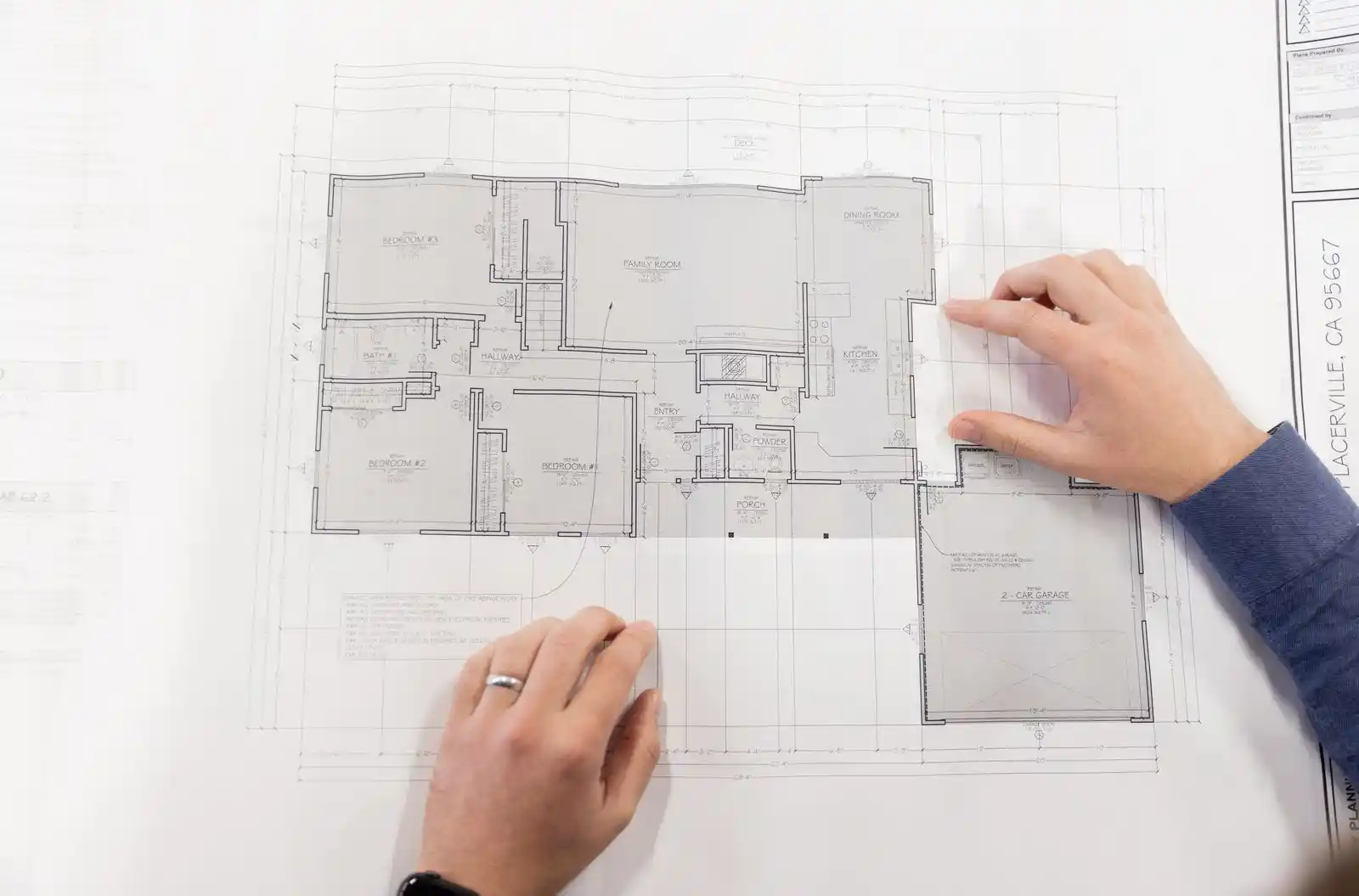
- Written scope. What’s being repaired, replaced, or rebuilt, mapped to the right permit type and the required documents for your jurisdiction.
- Plans or engineering. Required when structural framing is involved; a site plan and detailed plans drive the plan review and often the permit fees.
- Permit application. A standard residential reroof can sometimes be issued the same day, while structural work needs plan review before the city issues the new permit.
- In-progress inspections. Sheathing, framing, nailing, and underlayment installation stages. You or the contractor request inspections at each stage, and inspection scheduling follows the city’s calendar. Don’t cover work before a required inspection, or it may have to be reopened.
- Final inspection and closure. The permit isn’t complete until final signoff on the final inspection.
- Preserve the records. Keep the closed permit and inspection history.
Pasadena requires the permit and inspection card to stay at the site, and its permits are generally valid for 180 days, with regular inspections keeping them active. Whoever is listed on the approved plans can schedule inspections as the work reaches each stage. Verify the current terms for your specific permit with the city.
How Permit Fees Work, and What You Pay
Permit fees are set by your city or county, not by your contractor, and they vary from one jurisdiction to the next. In most California cities the building permit fee is tied to the total valuation of the work: the higher the valuation of the project, the higher the fee. That’s why a small in-kind patch and a full structural reroof on the same house carry very different permit costs. Plan review, when structural plans or a site plan are involved, is commonly billed as its own line on top of the base permit fee, and you pay fees for both.
We won’t publish a dollar figure here, because the permit cost depends on your jurisdiction’s fee schedule and the valuation of your specific scope, and anyone quoting it sight-unseen would be guessing. For a simple reroof on a modest square footage, fees may land around a few hundred dollars in some jurisdictions, but full replacements with structural plans run higher, and the exact amount still depends on your project type and local fee schedule. Ask Building & Safety for the current fee schedule, and ask your adjuster in writing whether your policy covers permit fees. Keep every fee receipt in the claim file.
How a Building Permit Fits Into Your Fire Insurance Claim

The California Department of Insurance says fire is generally a covered peril under homeowners policies, subject to the policy’s exclusions and terms. It also notes that some policies don’t include building-code-upgrade, or ordinance-and-law, coverage. That coverage matters here, because meeting current fire-resistant roofing requirements can be a code upgrade.
So does insurance cover the permit? Don’t assume it does. Ask your adjuster in writing how your policy handles permit fees, required code upgrades, and fire-resistant roofing requirements, and keep that answer. CDI recommends holding onto contracts, plans, specifications, invoices, lien releases, and correspondence. Keep the permit, scope, inspections, change orders, photos, and final approval in the same claim file. If you want the detail on how code-upgrade coverage works, we cover it in a dedicated article rather than repeating it here.
What Can Happen If You Skip a Required Permit?
Skipping a required permit creates problems that outlast the repair. CSLB treats a contractor’s failure to obtain a required permit as a violation of Contractors License Law, which can bring disciplinary action. Unpermitted work may also expose you, the homeowner, to added cost and liability.
Pasadena’s occupancy inspection process can flag illegal construction when a property is sold, and the city may require correction or removal of noncompliant work. An unpermitted roof can stall a sale, since a buyer’s inspector looks for permit records that aren’t there. Getting a retroactive permit after the fact generally costs more than doing it correctly the first time, with added investigation fees on top of the normal building permit fee.
What we won’t tell you is that insurance automatically denies every claim involving unpermitted work. That’s a scare line, and it isn’t accurate. Coverage depends on your policy and the facts. The honest reason to permit the work is simpler: it gives you a code-reviewed, documented scope that holds up later.
Choosing a Contractor for Fire-Damaged Roof Work
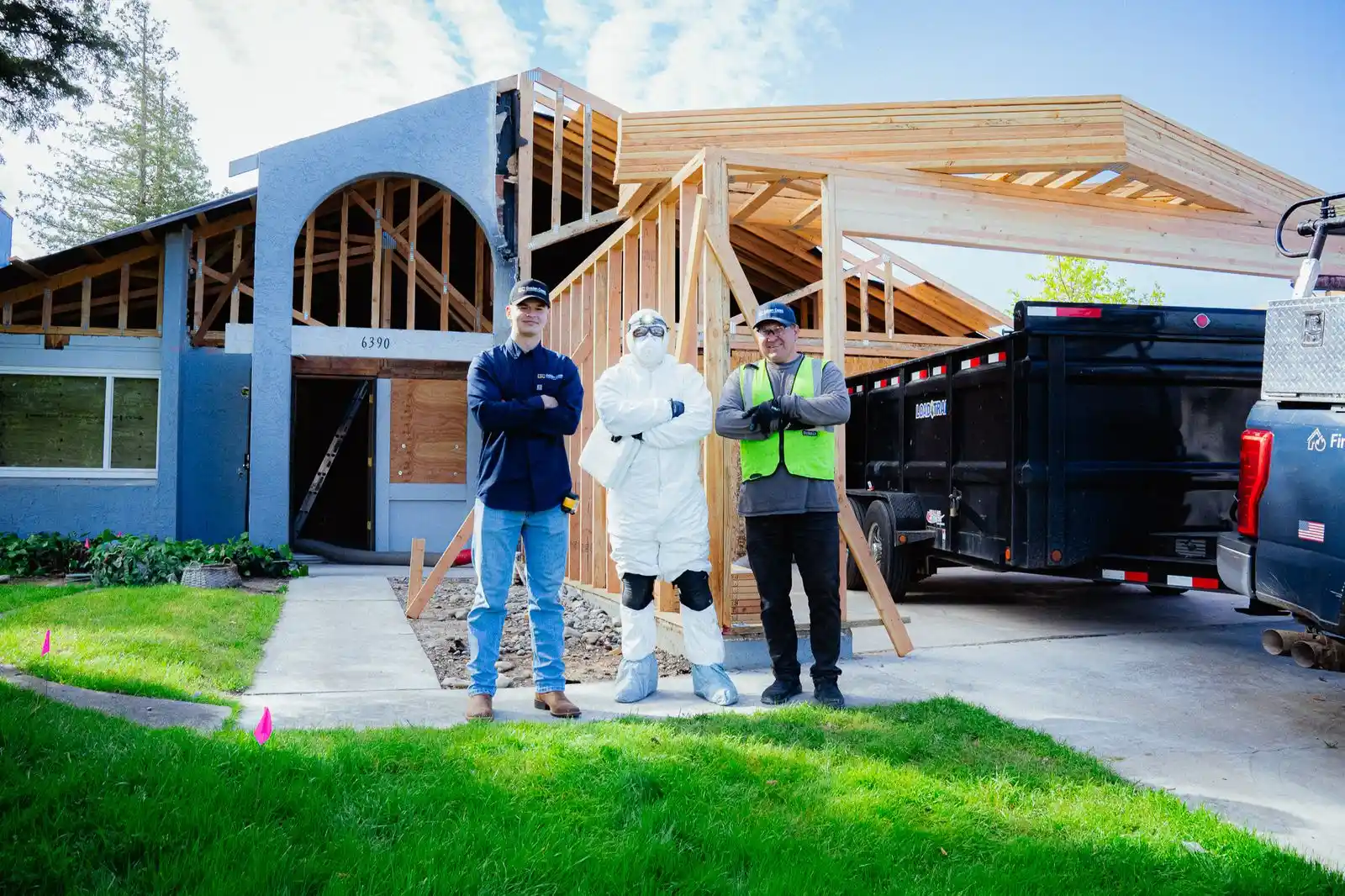
The right contractor for this job knows fire loss, not just shingles. Fire changes what’s under the covering, and defining that scope accurately is the whole game. A specialist can tell the difference between restoration and reconstruction, coordinate any engineering and trade permits, pull the right permit type, document everything for the claim, and keep the two scopes from getting blurred into one.
California work from Golden Coast Construction & Restoration is performed under CSLB #838443, which you should verify through CSLB before you sign anything. We’re IICRC-certified, with a permanent local office in Pasadena serving the Los Angeles and Southern California area, and 24/7 emergency board-up to stabilize the opening fast. We handle residential and commercial fire recovery, work directly with insurance adjusters, run QA inspections at milestones including the final inspection, and arrange asbestos and lead testing where warranted, since Pasadena warns that fire debris can contain asbestos, lead, and arsenic. We can also pull the contact info you’ll need for the right building department and walk you through the process.
A few protections worth knowing. Pasadena’s recovery guidance suggests getting three contractor estimates. And for repair or restoration of residential property damaged in a declared disaster, CSLB notes the cancellation window is generally seven business days, not the usual three. We bill on milestone payments, not a large deposit up front. Nobody can honestly quote a firm permit cost or project price without an on-site inspection, so a sight-unseen number, or any “sign by Friday” pressure, is a red flag.
Frequently Asked Questions
Can I tarp a fire-damaged roof before getting a permit?
Yes. Covering an opening to prevent further damage is emergency protection and generally should happen fast. Permanent repair is a separate step that may need a permit. Photograph the damage first, and don’t let a tarp conceal structural harm that still has to be assessed.
Does replacing only burned shingles require a permit?
It depends on local rules. A small, in-kind, nonstructural patch may be exempt in some jurisdictions, but California has no statewide roof-area threshold. Confirm with your building department. Inside Pasadena, plan on a permit for a reroof.
Who should file the permit application in California?
For contracted work, the contractor normally does. Signing an owner-builder permit transfers permit, inspection, and liability responsibility to you, per CSLB. Be cautious if you’re pushed to act as owner-builder while the contractor controls the work.
Do you have to be licensed to install a roof in California?
Roofing work above the minor-repair threshold generally requires a licensed contractor, and a properly licensed General Building contractor can pull the roofing permit as part of an overall project. Verify the license through CSLB before you sign.
How much is a roofing building permit fee after a fire?
There’s no single answer. The permit cost is set by your city or county and is usually tied to the total valuation of the work, with plan review often billed separately. Ask Building & Safety for the current fee schedule, and ask your adjuster in writing whether your policy covers permit fees and code upgrades.
A permit isn’t paperwork for its own sake. It gives you a code-reviewed, inspected, documented record of the work done to your home, which protects you during the claim and whenever you sell. If you’re staring at a fire-damaged roof and aren’t sure whether you’re looking at a repair or a rebuild, a licensed, fire-focused restorer like Golden Coast Construction & Restoration can come look, define the real scope, and tell you straight. No pressure, no quote without seeing it in person.