Key Takeaway
To rebuild after a fire in Roseville, California, you need a building permit from the City’s Development Services Building Division before any structural repair, demolition, or reconstruction begins. A Roseville fire rebuild permit is applied for through the City’s Online Permitting Services portal, and the permit path depends on how the building official classifies your damage. Plan review targets run 15 business days for the first cycle and 10 for each subsequent cycle, with at least two cycles expected.
Yes, you need a permit. In the City of Roseville, California, fire-damage repair, structural work, demolition, and full reconstruction all generally require a building permit before the work starts. Applications begin as digital preapplications in Roseville’s Online Permitting Services portal, and what the City asks you to submit depends on whether your project is classified as a repair, a structural reconstruction, or a rebuild from the ground up.
You are probably reading this while standing somewhere near a house that no longer works as a house, with an open insurance claim and nobody who has walked you through the order of operations. This article does that. It covers which permit path likely applies to your damage, which City department handles it, what documents the application needs, how long Roseville’s published plan review targets run, how current code requirements apply to an older home, and what California law already does to protect you when you hire someone. Building permits are the spine of the whole rebuilding process, and once you understand how they get classified, the rest of the sequence stops feeling random.
Last verified: September 4, 2026. Portal procedures, plan-review targets, fee schedules, and code cycles change. Links to every primary source are at the end so you can confirm anything here yourself.
Do you need building permits to rebuild after a house fire in Roseville?
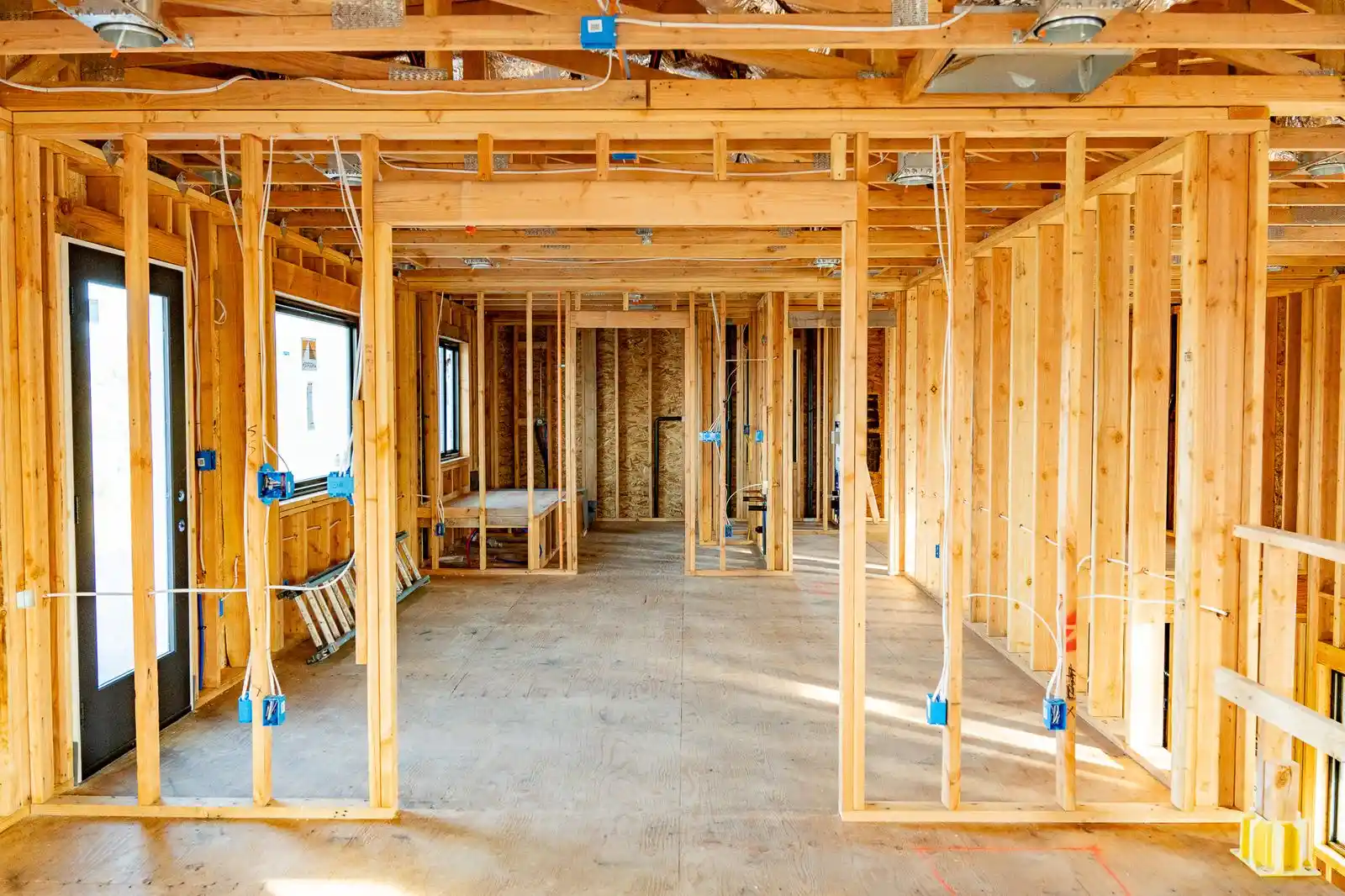
Roseville requires a separate permit before a regulated building is erected, altered, repaired, removed, or demolished. The City’s own homeowner handout spells it out and lists fire damage repair by name, alongside demolition, roof framing, reroofing, electrical work, renovations, and reconstruction. If your project touches any of those, you are in permit territory.
There is an honest exception worth knowing. Cleaning is not construction. Soot and smoke residue removal from surfaces, odor treatment, HVAC cleaning, contents cleaning and off-site contents restoration, and drying the water the fire department used to put the fire out are generally not building-permit triggers on their own. The line gets crossed the moment someone opens a wall, pulls charred framing, replaces wiring, tears off roofing, or removes drywall that has to be rebuilt.
Starting regulated work without the permit is unlawful in Roseville, and the City can charge additional fees on top of the ordinary permit fees. There is a separate review process for work commenced before permit issuance, and it is slower and more expensive than doing it in order. The homeowner, not the crew, is the one holding that bag.
A fire rebuild is not a remodel with soot on it. Fire changes structural steel connections, chars framing in ways that are invisible under paint, contaminates ductwork, and often adds water damage from suppression on top of everything else. The permit application has to describe all of that accurately, which is why the process starts with an assessment rather than a form.
Primary sources: City of Roseville Building Permits and the City’s Work Commencing Before Permit Issuance handout.
Which department handles it, emergency services or community development?
The permit that authorizes you to rebuild a fire-damaged house comes from Development Services, the community development side of City Hall, and specifically from the Building Division. Not the Fire Department. This trips up almost everyone, because searching “Roseville fire permit” pulls up recreational burn and campfire permits, which have nothing to do with reconstruction.
Here is the division of labor in plain terms. The Building Division reviews structure, foundations, framing, electrical, plumbing, mechanical, and energy compliance, then issues the permit and performs the construction inspections. The Fire & Life Safety Division, part of the Roseville Fire Department, handles fire-system plan review, fire inspections, and operational fire permits, and it comes into your project when the scope includes a fire sprinkler system, alarms, or fire-access requirements. Fire Department inspections requested through the portal carry a published performance target of two business days.
Emergency services matter to your file for a different reason. The responding agency’s incident number and cause determination belong in your insurance documentation. Fire reports are usually requested directly from the responding agency rather than through the permit portal. That report supports the claim. It does not authorize a single nail.
It helps to keep the two tracks separate in your head from the start. Emergency services closed the incident the night of the fire. The community development side of the City opens the file that lets you put the house back. Those offices talk to each other on your project only where the scope pulls in Fire & Life Safety review, and nothing the fire crew wrote in the incident report changes what the Building Division will require in your plans.
Repair, structural repairs, or full rebuild: which permit path applies?
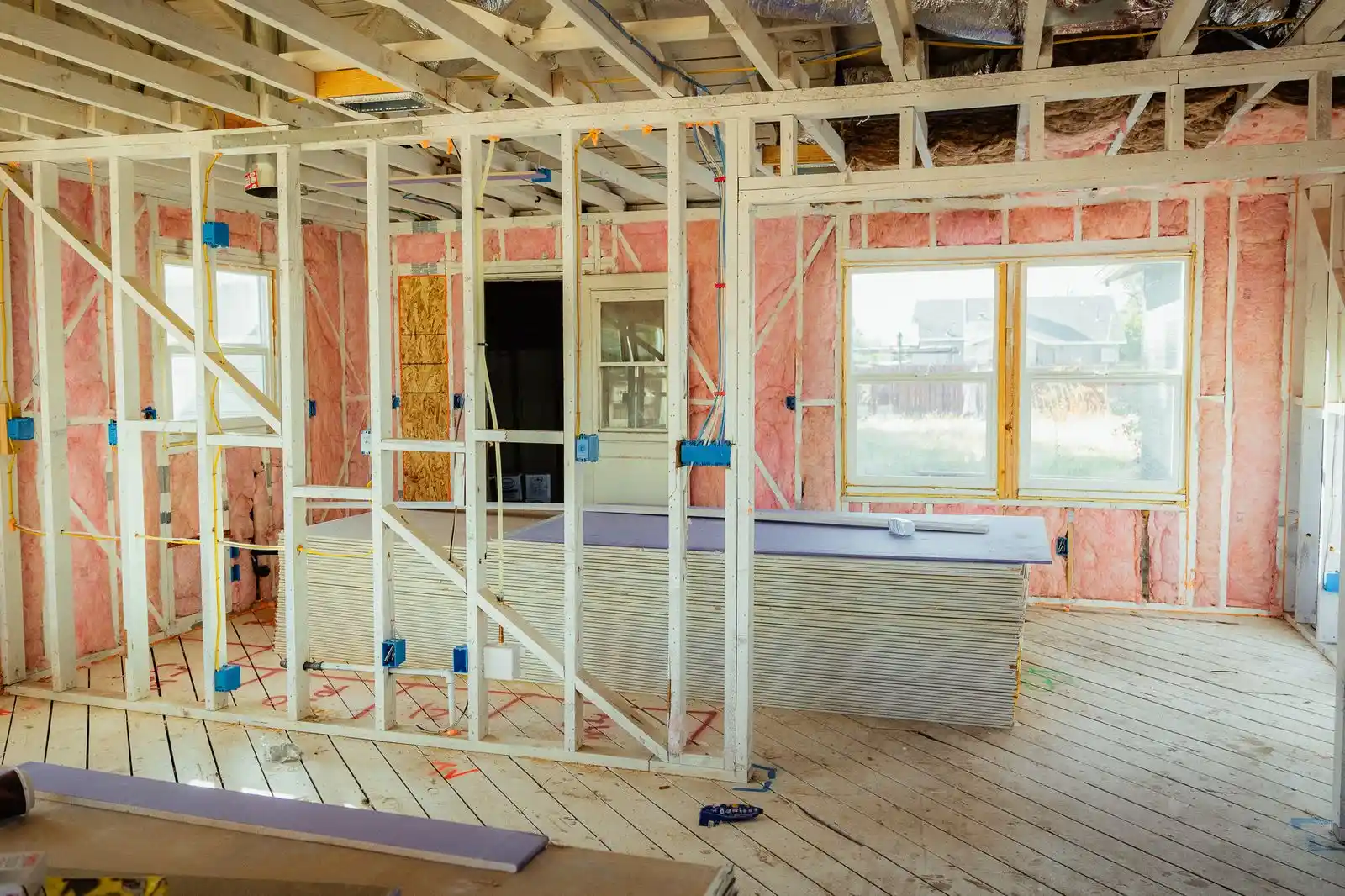
The permit path follows the extent of the damage, and the City makes the final call. Not your insurer, not the adjuster, and not your contractor. The building official classifies the work, and that classification drives everything downstream: which plans you need, which code requirements apply, and how long review takes. In broad terms, the classification turns on the following criteria: how much of the structure is damaged, whether load-bearing elements are affected, and how much of the existing building can reasonably stay.
Before the table, two words that get blurred constantly and shouldn’t be.
Restoration is cleaning, soot and odor removal, structural drying, contents salvage, and targeted repair of the parts of the house that can be kept. Reconstruction is removing what cannot be saved and building it again. A house can need both. But they are different scopes with different plans, different building permits, different timelines, and different insurance line items. When someone uses restoration language to describe a rebuild, or quotes a rebuild like it is a cleanup, that is worth a question.
| What the damage looks like | Likely permit path |
|---|---|
| Localized damage to finishes and systems, structure sound | Fire-damage repair / remodel permit |
| Damaged roof framing, floor framing, load-bearing walls, or the foundation system | Engineered structural-repair permit with calculations |
| Structure unsafe or beyond repair | Demolition approval, then a rebuild permit |
| Major or total loss | New construction review of a new single-family dwelling |
| Detached garage, shop, or other accessory structures damaged | Often a separate permit or added scope, confirm with the Building Division |
| Home does not meet current zoning code | Planning review may be required in addition to building review |
Notice how much rides on the second row. The difference between “the framing is fine, replace the drywall” and “these rafters lost section and need engineered repair” is not something anyone can determine from photographs or from the curb. It takes someone in the attic with a light, checking char depth, connections, and how far the heat traveled.
The bottom half of that table is where rebuild projects diverge sharply from repair work. Once the classification lands on new construction, the City is no longer looking at what your house used to be. It is reviewing a new single-family dwelling on that lot, with the full plan set, the full energy documentation, and the code requirements that apply to anything built today. That is a different submittal, a different fee calculation, and a longer review than a contained repair, which is exactly why the classification question deserves an answer before plans get drawn.
That’s the honest reason nobody can hand you a scope or a number over the phone. Square footage tells you almost nothing about a house fire. Two houses of identical size can land in different rows of that table depending on where the fire started and how long it burned. An accurate application starts with an on-site structural assessment and a documented scope, and everything after that is downstream of getting it right.
What can happen before the rebuild permit is issued?
Plenty, and this is the part that relieves people. Waiting for a permit does not mean the house sits open and untouched for weeks.
Work that legitimately proceeds before permit issuance:
- Emergency board-up of doors, windows, and openings, and roof tarping to keep weather out.
- Utility coordination and lockout, so gas and electrical service are safely secured.
- Documenting existing conditions with photographs, measurements, and moisture readings before anything is disturbed.
- Controlled drying of water used to suppress the fire. Where firefighting water saturated the structure, mold can begin growing in 24 to 48 hours, so drying is not something that waits for plan review.
- Contents inventory and removal of salvageable belongings for off-site cleaning.
- Assessment by a structural engineer or design professional to establish scope.
- Hazardous-materials testing where the building’s age and materials warrant it.
Now the hard line. Do not let anyone begin structural demolition, rewiring, or framing before the permit is issued. Not “just the garage.” Not “we’ll square it up with the City later.” The City has a specific process for work commenced before permit issuance, and it costs time and money that the permitted route would not have.
On hazardous materials: Roseville’s permit intake includes an Asbestos NESHAP Declaration of Notification Compliance for projects involving renovation, demolition, or remodeling. If the declaration produces a “yes” answer, an additional notification form has to be completed and filed with the application. The declaration is a paperwork requirement. Whether sampling or abatement is actually necessary is a separate determination that depends on the building’s age, the materials involved, and what testing finds. Either way, asbestos and lead testing happens before demolition, not after. Once contaminated material is broken up and airborne, the cost and complexity of handling it goes up sharply, and so does the risk to whoever is on site.
The Roseville fire recovery permitting process, step by step
All Roseville permit applications begin as a digital preapplication in the Online Permitting Services (OPS) portal. The preapplication stage is a completeness check: the City is deciding whether it has enough information to start formal plan review, not reviewing your design yet. Building permits may be issued to a legal property owner or to a licensed contractor.
- Confirm the parcel is inside City of Roseville limits. A Roseville mailing address is not proof of jurisdiction. Some nearby parcels are unincorporated Placer County and are permitted by the County, not the City.
- Document pre fire and existing conditions. Pull prior building permit records for the property while you’re at it, along with county assessor records, which list property attributes like square footage, year built, and construction type.
- Get a structural assessment and settle the scope. Repair, structural repair, or rebuild. Everything after this depends on it.
- Have architectural plans, structural calculations, and forms prepared by the right professionals. A licensed architect or structural engineer where the scope requires it, and a civil engineer where grading, drainage, or site work is part of the project.
- Create the digital preapplication in OPS. Note that a saved but unsubmitted temporary online application expires after 30 calendar days. That’s the draft expiring, not an issued permit.
- Clear completeness comments. The City tells you what’s missing before formal review begins.
- Pay plan-review fees so formal review can start.
- Respond to correction comments and resubmit. This is normal. Plan on it.
- Pay issuance fees and receive the permit.
- Keep approved plans and the inspection card at the jobsite. Inspectors need both.
- Schedule and pass milestone inspections, including any Fire Department inspections the scope triggers.
- Obtain final approval before anyone moves back in.
A word on trade permits. Electrical, plumbing, and mechanical work on a fire rebuild is usually permitted as part of the main building permit rather than standing alone, though the specifics depend on the scope and how the application is structured. If a subcontractor tells you they’ll pull their own separate electrical permit, that’s not automatically wrong, but you want to know about it and see that it’s on record.
You can check permit status yourself in the OPS portal at any point. You do not have to take anyone’s word for where your application sits. If someone managing your project can’t tell you what review cycle you’re in and what corrections are outstanding, that’s a reasonable thing to ask about directly.
What documents does a fire rebuild permit application require?
Roseville’s online instructions identify the supporting materials the City commonly asks for. Treat the following as a planning checklist rather than a universal requirement. A contained repair and a total reconstruction do not carry the same package, and the Building Division will tell you which items apply to your project.
- Complete plans showing existing and proposed conditions
- Site plan showing property lines, setbacks, and structure locations, plus floor plans
- Structural plans and calculations
- Truss calculations and acceptance letter where applicable
- Engineer reports or compliance letters
- California energy-compliance documents
- Plumbing, mechanical, and electrical information as applicable
- Equipment and product specifications, including the building materials proposed for the rebuilt portions
- Asbestos NESHAP declaration, plus the follow-up notification form if triggered
- Residential air-quality acknowledgement
- Construction and demolition waste documentation where required
The City is direct about what plans have to accomplish: define the scope, describe site conditions, identify the applicable codes, and show exactly how the work will be constructed. Vague plans generate correction comments, and correction comments generate cycles.
Separately, gather what you already have or can obtain:
- Prior permit records for the property from the City
- Pre fire photographs, including interior rooms and finishes
- The fire report from the responding agency
- Your insurer’s scope of loss and any adjuster reports
- Any existing survey or plot plan showing property lines
Those pre fire photographs do more work than people expect. They establish finish grades, cabinetry, flooring, and fixtures for the claim, and on a like for like rebuild they help your design professional reproduce a floor plan that no longer exists on paper. If the only copies live on a phone that burned, check cloud backups, old listing photos from when you bought the house, and family members who took pictures at holidays.
On fees: Roseville calculates permit fees for construction projects based on use, square footage, valuation, and scope, and it treats residential fire repair like a residential remodel for permit-valuation purposes. Fee schedules and development impact fees are adjusted over time. Anyone who quotes you a flat permit fee for a fire rebuild is guessing. The City provides project-specific estimates when you give them the property address, the scope of work, the affected square footage, and the intended use. That is the number to rely on.
The single biggest driver of how long this takes is whether your first submittal package is complete. A thin package doesn’t get reviewed faster. It just gets returned.

Roseville publishes operational targets for plan review. These are targets, not guarantees, and the City says so. They describe how quickly staff aims to act on a submittal, not how long your permit will take start to finish.
| Stage | Published target |
|---|---|
| Action on a preapplication, after the last action | 1 business day |
| First formal plan-review cycle | 15 business days |
| Each subsequent review cycle | 10 business days |
| Review cycles applicants should anticipate | At least 2 |
| Review cycles included in initial submittal fees | 3 (later cycles may be billed separately) |
Do the arithmetic and you get a realistic mental model. Two cycles at the published targets is 25 business days of City review time, which is five weeks of calendar time before anyone touches the clock on your side. And there is a clock on your side: the days between receiving correction comments and resubmitting are entirely your design team’s, not the City’s. A week of turnaround on corrections is a week added.
What extends permit processing on fire rebuild projects: structural complexity, routing to multiple departments (Fire & Life Safety, Planning, Engineering), and submittal packages that arrive incomplete. What shortens it: complete plans, prompt correction responses, and a design professional who has done fire-damage work in this jurisdiction before. Full new construction rebuild projects generally sit at the longer end of that range simply because there is more to review.
These operational targets shift with the department’s workload. Check the City’s Online Building Permit Process page for current figures before you plan around any of them.
Will a fire-damaged older home have to meet current code requirements?
Not automatically, and not uniformly. How much of the current building code applies depends on how the City classifies the work.
The 2025 California Building Standards Code took effect statewide on January 1, 2026, per the California Building Standards Commission. Applications submitted on or after that date fall under the 2025 cycle. Roseville has adopted the 2025 California Building, Residential, Electrical, Mechanical, Plumbing, Energy, Existing Building, Fire, and CALGreen codes with local amendments, under Roseville Municipal Code Chapter 16.04, so local regulations sit on top of the statewide standards.
Think of it as a spectrum. A contained repair is generally reviewed under existing-building provisions, which allow a lot of what’s there to stay as-is. A new dwelling built on the same lot after a total loss is reviewed as new construction, and current code requirements apply across the board. Most fire projects land somewhere in between, and plan review is where the line gets drawn item by item.
Items commonly identified at plan review on fire projects:
- Structural connections and hardware in areas being rebuilt
- Electrical service capacity, grounding, circuit requirements, and receptacle protection
- Energy compliance for replaced insulation, windows, HVAC, and water heating
- Egress requirements for bedrooms and sleeping areas
- Smoke alarms and carbon monoxide alarms, which are frequently required to be brought current even in limited scopes
- Fire-system requirements where the scope triggers Fire & Life Safety review
The practical effect on an older house is that some assemblies come forward to current code and others do not, and the split is not intuitive from the outside. A 1980s home with an untouched hallway may keep that hallway as it is while the burned wing is rebuilt to today’s standards. That is normal, and it is one reason a rebuild set of plans usually shows existing and proposed conditions side by side.
Does a rebuild trigger a residential fire sprinkler system?
Honestly: it depends on how the project is classified and on the City’s review, and no article should tell you otherwise. There is no universal square-footage trigger you can apply to a fire rebuild from the outside. A new construction dwelling replacing a total loss is a different question than an engineered repair to a portion of an existing house. Confirm it with the Building Division and Fire & Life Safety before the design is finalized, not after, because retrofitting a fire sprinkler system into a completed design is expensive and disruptive.
If a fire sprinkler system does end up in your scope, it brings its own plan review, its own inspections, and coordination with the water service to the house. Ask early, because that answer also affects framing depths, ceiling details, and where the design professional can run other systems.
Separately, if your parcel backs onto open space or grassland, CAL FIRE’s defensible space guidance is worth reading. That is a wildfire-preparedness matter for your property, not a permit condition on your rebuild, but it belongs on the list of things to think about while the yard is already torn up.
One practical instruction that pays off later: ask your design professional and contractor to itemize code-required upgrades as separate line items in every estimate, distinct from the like for like replacement of what burned. Your insurer will need to evaluate those items under different policy language than the rest of the loss. That leads directly into the next section.
Like for like rebuilds, current code, and nonconforming homes
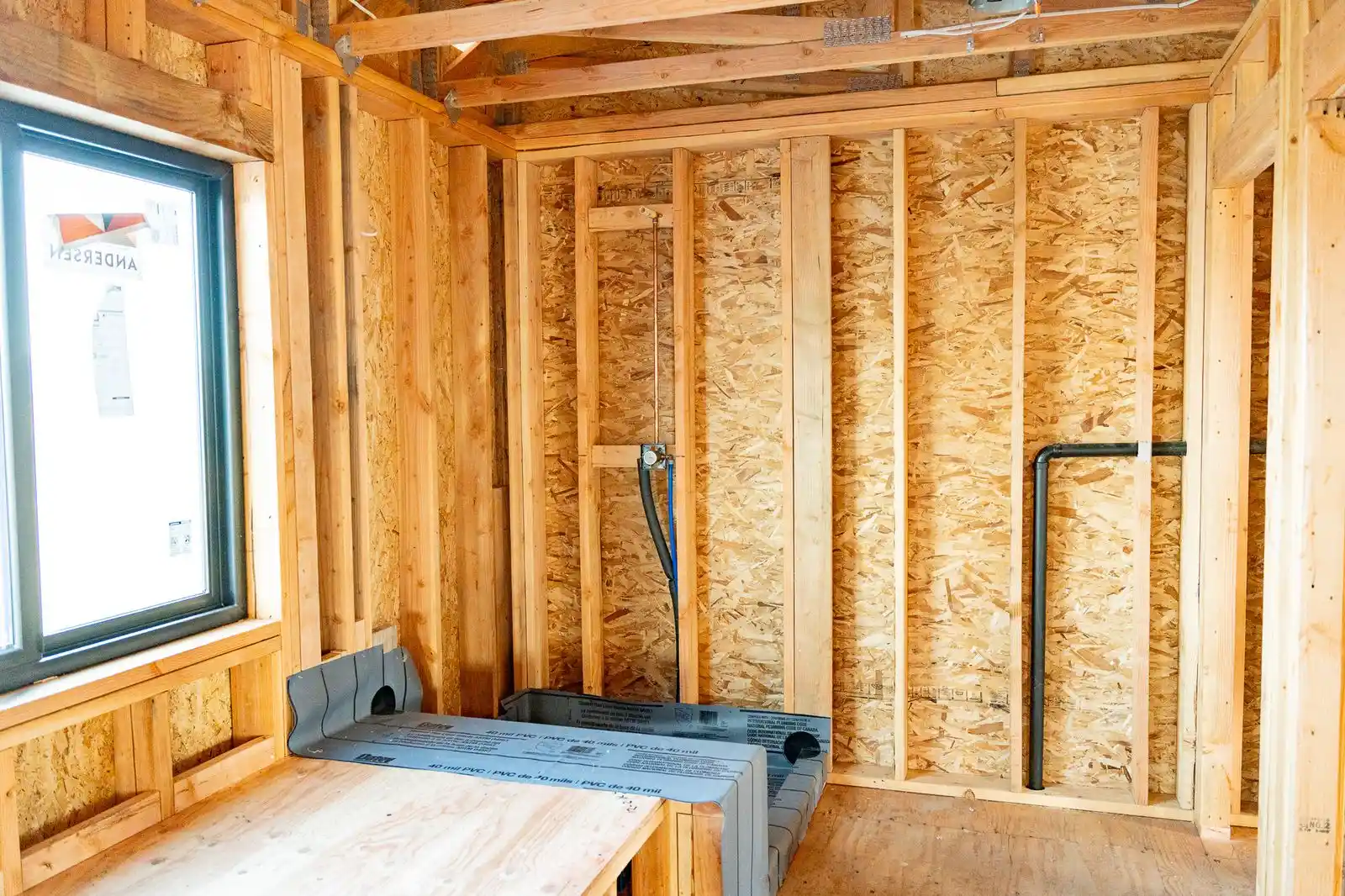
“Like for like” is not a code exemption. This is the most common misunderstanding in fire-rebuild content online, and it costs people time and money when they build a budget around it.
Rebuilding the same footprint and the same square footage that existed prior to the fire, in the same location on the lot, can simplify zoning review considerably. What it does not do is freeze the building code at the year your house was built. A 1978 house rebuilt in 2026 is reviewed under the code cycle in effect when the application is submitted, to the extent the classification calls for it.
It is also worth knowing that the phrase carries two different meanings depending on who is saying it. When an adjuster says like for like, they usually mean replacing building materials and finishes with items of comparable kind and quality. When a planner says it, they mean the same footprint, the same height, and the same placement relative to your property lines as the pre fire structure. Like for like rebuilds can satisfy the planner’s version and still pick up current code requirements from the building official, and that is not a contradiction. It is two separate reviews looking at two separate things.
Zoning is where “same location” actually earns you something, and that brings up nonconforming structures. A legally nonconforming home is one that was lawfully built but no longer meets today’s zoning standards. In practice that usually means a house sitting inside what today’s side or rear yard setback would require, or an accessory structure placed where current rules would not permit it. These homes were legal when built and remain legal to occupy. The question is what happens when they’re damaged.
Roseville Municipal Code Chapter 19.24 handles this:
- If fire destroys 50% or less of a legally nonconforming building’s value, the building may be reconstructed without increasing the nonconformity.
- If damage exceeds 50%, reconstruction of a nonconforming building may require a variance.
- Certain buildings with a nonconforming use may require a conditional use permit.
- The ordinance provides a 12-month reconstruction period in specified greater-than-50% cases.
The chief building inspector determines the percentage of value destroyed. That determination is not made by your adjuster and not by your contractor, though both will have opinions about it.
Most fire-damaged single family homes in Roseville never touch any of this. If your house conforms to current zoning, which the majority in newer neighborhoods do, Chapter 19.24 simply doesn’t apply to your project. It matters for older properties and for lots where a garage or shop sits in a spot today’s rules wouldn’t allow. If you’re unsure which category you’re in, the Building Division can tell you, and it’s a question worth asking before plans are drawn rather than after.
Boarded property deadlines and temporary housing during the rebuild
Roseville Municipal Code Chapter 16.34 says a boarded building must generally be repaired and rehabilitated for occupancy within 120 days after it is boarded, and that a vacant building generally may not stand vacant for more than 120 days. Read that alone and it sounds alarming, because a real fire rebuild routinely takes longer than four months.
The exception is the point. The code provides exceptions, including where the building is under an active building permit and the owner is making diligent progress. That exception exists precisely for situations like yours. A permitted rebuild moving forward on a normal schedule is not what the boarded-building ordinance is aimed at. It’s aimed at properties left boarded and abandoned indefinitely.
What this means practically: getting the permit application moving and keeping the project progressing is the thing that keeps you inside the exception. Not speed for its own sake. Documented, continuous progress.
On temporary housing, Roseville Municipal Code Chapter 19.64 allows a trailer, coach, or mobile home as a temporary residence for the property owner while a valid residential building permit is in force, subject to an Administrative Permit. The approval may be granted for up to 180 days or until the building permit expires, whichever comes first. So an on-site trailer is possible, but it needs its own approval and it is tied to your active building permit.
If you’re renting elsewhere instead, that’s an insurance question rather than a permit question. Additional living expense (ALE) insurance coverage under your policy governs how long and how much, and it reimburses certain disaster-related expenses on its own terms and its own coverage limits. Because temporary housing costs run on a clock that has nothing to do with plan review, it is worth asking your insurer early what the limit is and how it is measured. Confirm the current requirements for both provisions with the City and with your insurer before you rely on either one.
How permits and code upgrades affect your insurance claim

The City decides what code compliance requires. Your insurance company decides what the policy covers. Related questions, separate decisions, and confusing them causes real problems. A plan-check correction letter is not a coverage determination, and an adjuster’s scope of loss is not a permit.
Here’s where the two collide. Plan review identifies code-required work that has nothing to do with what the fire destroyed, like bringing an electrical service current or adding alarms in rooms the fire never reached. Whether your policy pays for those items depends on your building-code upgrade coverage, sometimes called ordinance or law coverage. The California Department of Insurance advises homeowners to review that coverage specifically after a loss.
CDI’s 2026 Guide for Adjusting Property Claims in California After a Major Disaster identifies at least 10% of the dwelling limit in additional building-code upgrade coverage for qualifying open residential replacement cost policies, under Insurance Code section 10103(c). Whether that applies to your claim depends on your policy language and the facts of the loss. Read your declarations page and ask your insurer in writing.
Timing matters here too. Initial settlement offers are often written before plan review has happened, which means code-required items simply were not known yet when the number was calculated. That is not necessarily anyone acting in bad faith, but it is a reason to keep the file current as corrections come back from the City.
What to keep in the file, from the first day:
- Plan-check correction letters from the City
- Approved plans and the issued permit
- Prior permit records for the property
- Invoices tied to specific scope items
- Inspection results at each milestone
- Every change order, signed and dated
Ask for code-required items to be broken out line by line, separate from the repair or replacement of what actually burned. That separation is what lets an adjuster evaluate the code-upgrade portion under the right policy provision instead of lumping it into a general dispute. A contractor who works directly with adjusters should be producing that documentation as a matter of routine, without being asked.
See the California Department of Insurance residential property claims guide for the underlying guidance.
Not every “fire rebuild” resource online applies to Roseville
A lot of the California fire-rebuild guidance that ranks well was written for declared wildfire disasters in Los Angeles County, including Palisades Fire recovery programs, permit fee waivers, and expedited like for like review in unincorporated areas. Those programs are tied to specific declared events in specific jurisdictions. They do not govern an individual house fire in the incorporated City of Roseville, and following that checklist will send you to the wrong department with the wrong forms.
The differences are structural, not cosmetic. Unincorporated LA County rebuild programs deal with septic systems, private wells, driveway and access standards on hillside lots, and county-administered fee waivers meant to support rebuilding efforts at scale. A city-serviced Roseville parcel on municipal water and sewer typically encounters none of that. The permit portal is different, the code amendments are different, and the review process is different.
Some of that Los Angeles guidance is genuinely good, and none of it is written in bad faith. It was built for fire victims in a mass-loss event, where thousands of like for like rebuilds moved through one county office at once and the county created a dedicated recovery track for residents rebuilding all at the same time. Roseville processes a house fire the way it processes any other permit, through the standard Online Permitting Services intake, with the ordinary review cycles described above. Reading LA County material and expecting a recovery-center front door here will only cost you time.
Also worth naming: Roseville, Minnesota, in Ramsey County, appears in results for this search. Different city, different state, different building department entirely.
One caveat for properties near Roseville but outside city limits. If your parcel is unincorporated Placer County and served by septic systems or a well, county environmental health review may be part of your package, and the County handles the permit rather than the City. Confirm which jurisdiction your parcel falls in before you file anything. The parcel number, not the mailing address, is what settles it.
Who pulls the permit: you, your architect, or a licensed contractor?

Either you or a licensed contractor can be issued the permit in Roseville. Who does it matters more than most homeowners realize, because the permit holder carries responsibility for the work.
Roseville also states plainly that the homeowner remains responsible for making sure all required building permits are obtained, even when the contractor normally handles the application. So “my contractor is taking care of it” is not a complete answer. You still want to see the issued permit.
Pulling it yourself as an owner-builder is legal, and sometimes appropriate for a small scope. The trade-off is real. As owner-builder you take on responsibility for code compliance, for scheduling and passing inspections, and in many cases for the workers on your private property, including questions of workers’ compensation coverage. On a fire rebuild involving engineered structural repair and multiple trades, that is a lot to carry while also managing a claim and finding somewhere to sleep.
Four things that protect you regardless of who applies:
- Name the permit holder in the contract. In writing, by name, not implied.
- State who prepares the plans and who pays the permit fees. CSLB recommends the contract address permit responsibility directly.
- Confirm the issued permit matches the full scope of work. If the contract covers a rebuild and the permit describes a repair, stop and sort it out before anyone starts.
- Keep the approved plans and inspection card at the jobsite. Inspectors will ask for both.
California law gives you a few specific protections on a home-improvement contract, and they’re worth knowing before you sign anything. The down payment may not exceed 10% of the contract price or $1,000, whichever is less. A three-day right to cancel may apply. And CSLB recommends getting at least three written bids based on the same plans and the same scope, because bids on different scopes aren’t comparable no matter how they’re formatted.
Contractor licenses are public record, and checking them is the cheapest protection available to you. Look at the classification, not just whether a number exists. A general building classification is what a full reconstruction calls for, and the lookup will also show you license status, bond information, and any workers’ compensation coverage on file. Contractor licenses that are expired, suspended, or held in a classification that doesn’t match your scope are worth a direct conversation before money changes hands. Contractor referrals from neighbors, adjusters, or a friend who just finished a remodel are a reasonable place to start, but they are not a substitute for running the license yourself.
Those rules also make certain patterns easy to spot. A firm rebuild price quoted sight-unseen, before anyone has been in the attic. A deposit request larger than what the law allows. A signing deadline attached to a discount. None of those are illegal in every case, but each one tells you something about how that company operates, and you’re allowed to notice.
Verify any contractor’s license, classification, and status yourself in the CSLB license lookup. It takes about ninety seconds and it’s public.
Inspections from foundation to final approval
Inspections are requested through the OPS portal. They cannot be scheduled more than 15 days in advance, and the general online cutoff for requesting a next-business-day inspection is 11:30 p.m. Fire Department inspections requested through the portal carry a published two-business-day performance target.
The typical milestone sequence on a residential rebuild runs roughly like this, though your actual inspection card depends entirely on the approved scope:
- Demolition and underground utility connections
- Foundation, including setback verification against property lines and reinforcement
- Rough framing, after structural repairs or new framing is in place
- Rough electrical, plumbing, and mechanical, before anything is covered
- Insulation and energy-compliance verification
- Drywall nailing
- Any required Fire & Life Safety inspections
- Final inspection and approval
Passing these matters beyond satisfying the City. A closed permit with a clean inspection history is what a future buyer’s agent looks for, what a title company wants to see, and what supports your insurance file if a question arises about the quality of the reconstruction years from now. An open permit sitting unfinaled on a property is a problem that surfaces at the worst possible moment, usually during a sale.
On our projects, we run our own quality-assurance inspections at milestones in addition to the City’s, and we provide a signed certificate of completion at the end. That’s not a substitute for City inspections. It’s how we catch things before an inspector does, which keeps the schedule intact.
Working with a licensed fire-rebuild contractor in Roseville

A fire rebuild can involve structural engineering, hazardous-materials documentation, energy compliance, Fire & Life Safety review, adjuster documentation, and a dozen City inspections spread across months. That’s the honest reason a handyman or an unvetted crew is a poor fit here. It isn’t a knock on anyone’s skill with a hammer. It’s a statement about what this particular kind of project requires on paper.
Golden Coast Construction & Restoration is a California-licensed General Contractor, CSLB #838443, verifiable in CSLB’s license lookup. We’re IICRC-certified, and we keep a permanent office in Roseville serving the Sacramento area, with 24/7 emergency board-up. We work directly with insurance adjusters and produce the documentation the claim needs. We arrange asbestos and lead testing where the building’s age and materials warrant it. Payments are milestone-based and tied to completed work, and we don’t take more than California law allows up front. BBB accredited since February 16, 2012.
One contractor, one project, from emergency stabilization through final inspection. That continuity matters most on the paperwork side, because the person who documented the damage the first night is the same one answering the plan-check comments three months later.
What we can’t do: promise permit approval, or shortcut City review. Nobody can, and anyone who says otherwise is telling you something useful about themselves. We also can’t give you an honest scope or a real number without walking the property. Fire damage doesn’t read from photographs.
If you’d like someone to come out, document the damage properly, and explain which permit path your house is actually on, that’s what an on-site assessment is for. No obligation attached to it.
Frequently Asked Questions
Can I get a free California campfire permit online?
Yes, CAL FIRE issues free California Campfire Permits online. That permit covers campfires, stoves, and lanterns on land you don’t own, and it has nothing whatsoever to do with rebuilding a fire-damaged house. Reconstruction permits come from the City of Roseville Building Division through the Online Permitting Services portal.
How do I get an electrical permit in Roseville, MN?
That’s a different city, Roseville, Minnesota, in Ramsey County, and its permits are handled by that city’s local building department. For an electrical permit in Roseville, California, apply through the City’s Online Permitting Services portal. On a fire project, electrical work is usually permitted as part of the repair or reconstruction scope rather than standing on its own.
Who is eligible for a fee waiver for LA County fire rebuild?
Fee waivers of that type are tied to specific declared wildfire disasters and specific jurisdictions in Los Angeles County, administered by that county for eligible properties in the affected burn areas. They do not apply to an individual house fire in Roseville. If a declared disaster ever affects this region, ask the Roseville Building Division directly what relief has been adopted locally.
Is a total loss rebuild treated as new construction?
Generally yes. When the structure is gone or beyond repair, the City reviews the replacement dwelling as new construction, which means a full plan set and current code requirements throughout. Keeping the same footprint can still simplify the zoning side, but like for like placement on the lot does not change which code cycle applies to the building itself.
Can my contractor start demolition before Roseville approves the plans?
No. Structural demolition is regulated work and requires prior approval. Emergency board-up, roof tarping, and securing the property against weather and entry are different and can proceed. Work commenced before permit issuance goes through a separate City review process and can carry fees on top of the ordinary permit fees, which costs more time than waiting would have.
Does insurance pay for permit-required code upgrades?
It depends on your policy’s building-code upgrade, or ordinance or law, coverage. CDI’s 2026 Guide for Adjusting Property Claims in California After a Major Disaster identifies at least 10% of the dwelling limit in additional code-upgrade coverage for qualifying open residential replacement cost policies under Insurance Code section 10103(c), but your policy language and the facts of your claim control. Ask your insurer in writing and keep the code-required items itemized separately.
Verify before you file
Review targets, portal procedures, fee schedules, and code cycles change. Everything above is sourced, and here is where to check it yourself:
- City of Roseville Building Permits and the Online Building Permit Process page
- Roseville Municipal Code Ch. 16.04 (code adoption), Ch. 16.34 (boarded and vacant buildings), Ch. 19.24 (nonconforming structures), Ch. 19.64 (temporary uses)
- CSLB license lookup and CSLB homeowner contract checklists
- California Department of Insurance residential property claims guide
- CAL FIRE for defensible space, EPA for asbestos and lead handling, IICRC for restoration standards
The 2025 California code cycle applies to applications submitted on or after January 1, 2026. Last verified September 4, 2026.
You don’t have to understand all of this at once. You just have to get the classification right before anyone picks up a saw, and everything else follows from there.