Key Takeaway
The scope of repairs after a fire is a written, room-by-room plan identifying damage from flames, heat, smoke, soot, and firefighting water, specifying what can be cleaned and what must be rebuilt. It must come from an on-site inspection, not a phone call. Insurance adjusters, restoration contractors, structural engineers, and the building department each contribute different pieces. When hidden damage appears after demolition, a formal supplement to the insurer and a signed change order with your contractor are required before additional work begins.
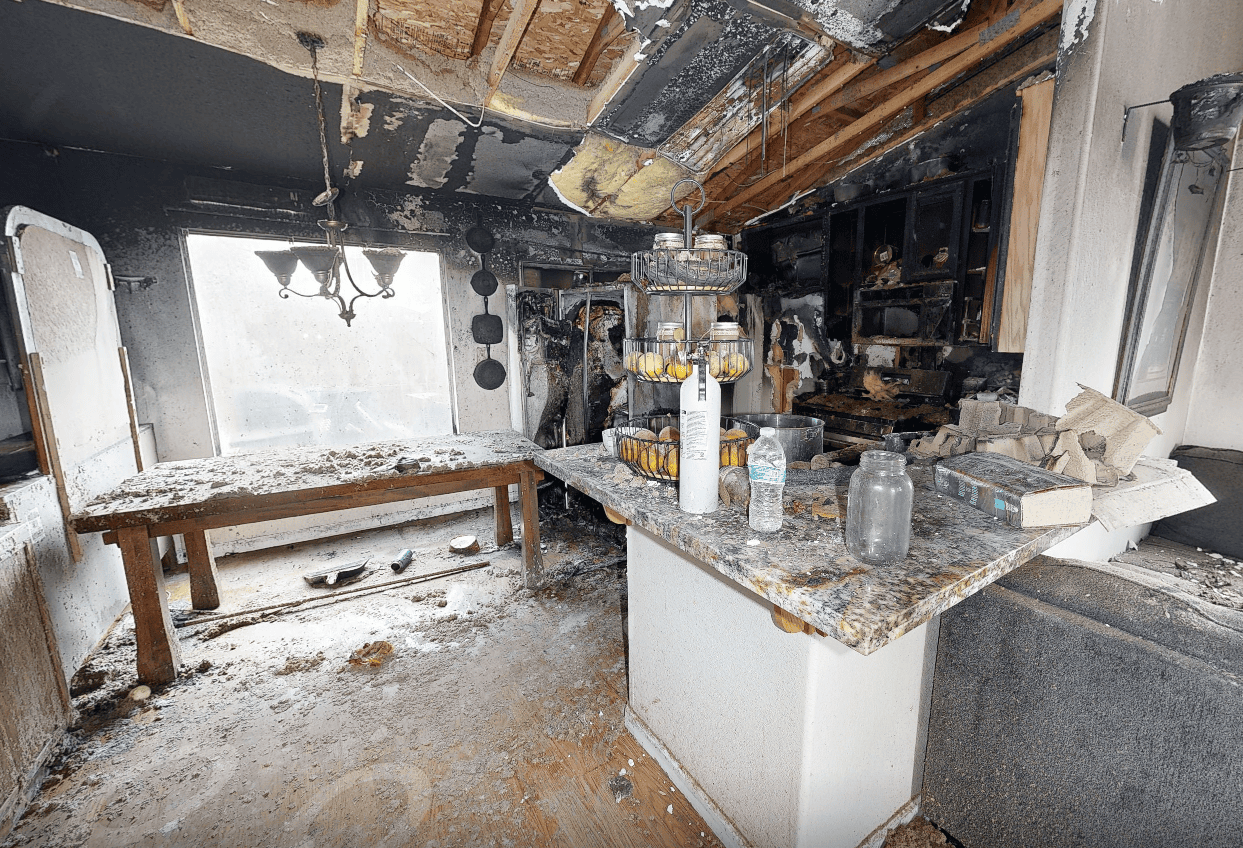
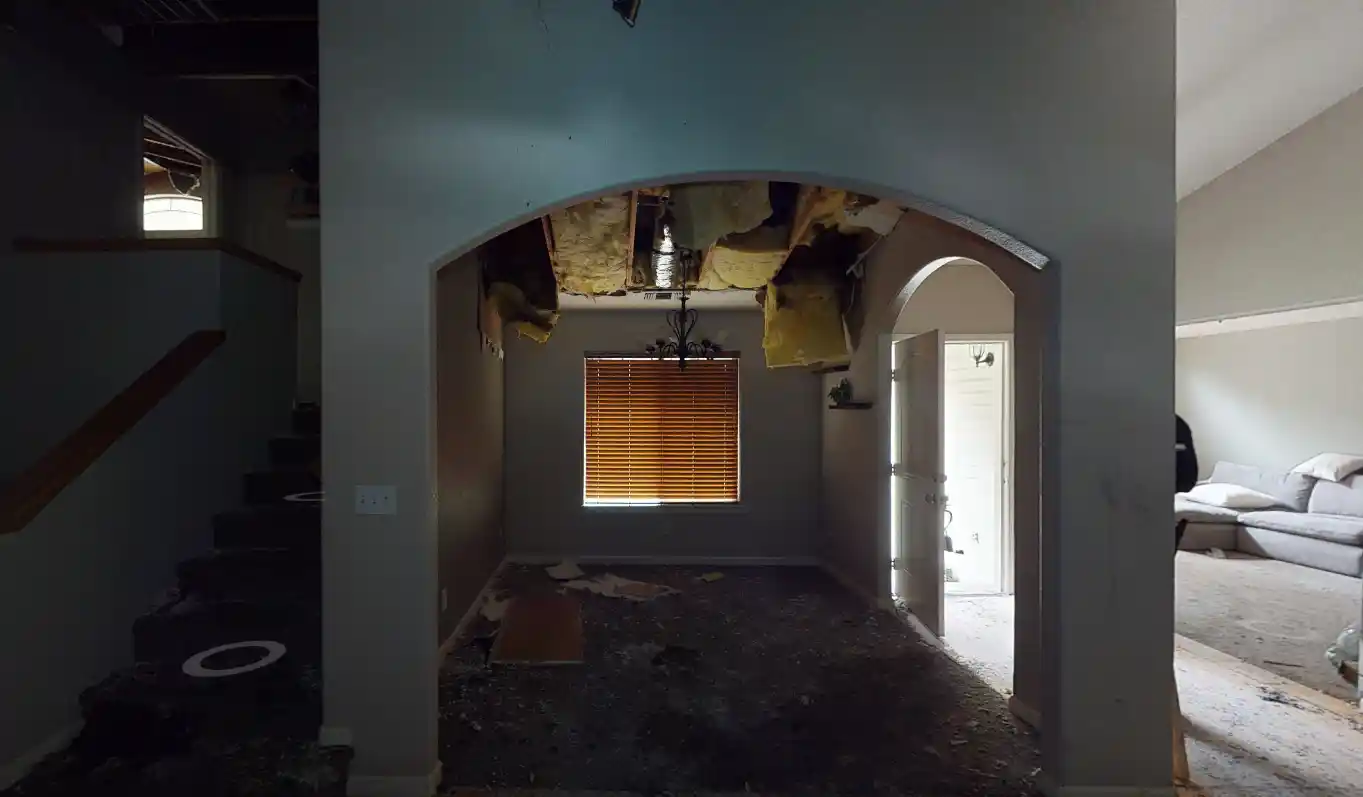
The scope of repairs after a fire is the written, room-by-room plan that identifies fire damage from flames, heat, smoke, soot and firefighting water, then states what can be cleaned or repaired and what has to be removed and rebuilt. It should come from an on-site inspection of the fire damaged property, not from a phone call, and it should be updated through documented insurance supplements or signed change orders when concealed damage turns up behind the walls.
If you’re reading this, you’re probably mid-claim, holding one estimate or two that don’t match, trying to figure out whether everything your home actually needs is written down somewhere. No property owner is expected to spot every hidden condition in a fire damaged house. That is the job of the restoration professionals you hire and the documents they produce, and this article explains how to read them.
What Is a Scope of Repairs After a Fire?

A fire damage restoration scope describes the damage and the work required to correct it. An estimate takes that scope and applies quantities and pricing to it. They are two different documents, and confusing them is where a lot of insurance claim trouble starts.
A usable scope carries detailed descriptions of each affected area rather than one-line summaries, because everything that follows, including repair costs, gets built on those descriptions.
The California Department of Insurance describes an insurance company’s scope of loss as documenting three things: the degree of damage, the quality of the original materials and workmanship, and the measurements needed to calculate quantities. It also notes the scope doesn’t necessarily contain prices or calculated quantities at all. That’s a useful distinction to carry with you.
The target throughout is pre-loss condition, sometimes written as pre-fire condition: returning the home to the condition it was in the moment before the fire, using materials of like kind and quality. Not an upgrade, not a downgrade. What your insurance policy covers on the way there is a separate question from what the building actually needs, and the two get answered by different people.
A good scope is organized room by room and also system by system. Fire damage crosses room boundaries because it travels through assemblies and mechanical systems. Soot pulled through a return vent affects the whole duct run. Water from a hose line travels under flooring into rooms that never saw flame.
Scope of Loss, Estimate, Supplement, Change Order: Five Documents That Sound Alike
| Document | What it is | Who produces it | What it changes |
|---|---|---|---|
| Scope of loss | The insurance company’s documentation of damage, materials and measurements | Adjuster | Nothing yet, it’s the basis for the insurer’s estimate |
| Scope of repairs (scope of work) | The plan of work needed to return the property to pre-loss condition | Restoration contractor or general contractor | Defines what will actually be performed |
| Estimate | Quantities and pricing applied to a scope, line by line | Either side | The dollar figure under discussion |
| Insurance supplement | Additional documentation submitted to revise the insurance scope or estimate | Contractor, submitted to the insurance company | The claim |
| Change order | A written revision to your agreement with the contractor | Contractor, signed by you | The contract price or work |
Homeowners get tangled here because all five arrive as PDFs full of similar-looking line items. The distinction matters most when new fire damage appears. A supplement asks the insurance company to fund more work, and it lives or dies on cost documentation: photographs, measurements and line items that insurance adjusters can match against their own file. A change order changes what you owe your contractor. In California, that change order has to be in writing and signed by both of you before the changed work is performed. One does not automatically create the other, and a contractor who says “we’ll sort the paperwork later” is skipping the step that protects you.
Who Determines the Scope of Repairs After a Fire?

No single person owns the whole scope. Different professionals contribute different pieces, and it helps to know who decides what.
| Who | What they contribute |
|---|---|
| Insurance adjuster | Evaluates claimed fire damage and policy coverage, prepares the insurer’s scope and estimate |
| Fire damage restoration contractor | Documents smoke, soot, smoke odor, firefighting water, drying and contents salvage conditions |
| General contractor | Defines demolition, repair, reconstruction, materials, sequencing and subcontracted work |
| Structural engineer | Evaluates load-bearing framing, foundations and other structural systems |
| Environmental professional | Tests suspect asbestos, lead or other hazardous materials where warranted |
| Building department | Sets permit, inspection and code-compliance requirements |
| Property owner | Chooses and contracts the contractor, signs the documents, receives copies of everything |
One point worth holding onto: the first estimate you receive is not automatically the final technical determination. The California Department of Insurance describes scoping the loss as a brief inspection, and says a second visit may be needed when the adjuster can’t complete a thorough evaluation the first time. Treat the initial assessment as a starting point rather than a verdict. CDI also advises homeowners to get written bids from reliable, licensed contractors with materials and pricing listed line by line. That written bid is your leverage later, so ask for the detail up front.
How the Fire Damage Restoration Process Builds the Scope, Step by Step
A defensible scope is built in a sequence, and each step feeds the next:
- Confirm safety status, identify safety hazards, and determine whether the building can legally be entered
- Emergency board up, roof tarping and securing openings
- Photographs, measurements and a room-by-room inventory
- Smoke, soot, smoke odor and HVAC assessment
- Firefighting-water and moisture assessment, with readings taken using moisture meters and logged
- Structural evaluation where framing or load bearing walls are affected
- Contents inventory of your personal property
- Hazardous-material review
- Permit and code review with the local building department
- The written scope, then the estimate built on it
Steps one through three are the initial assessment, and that emergency response happens fast, often in the first day or two, because an open building keeps taking on fire damage and weather damage after the flames are out. CDI advises making reasonable temporary repairs that protect the property, such as covering damaged roofs, walls, doors and windows, and saving your receipts. It also advises against extensive permanent repairs until the adjuster has inspected the loss. Those two pieces of advice work together: stabilize now, photograph everything before cleanup begins, hold the permanent work.
The moisture assessment matters more than most people expect. Water used to suppress a fire soaks into insulation, subfloor and wall cavities. EPA advises drying water-damaged areas and materials within 24 to 48 hours to help prevent mold growth. On a fire job, that drying belongs inside the restoration process, performed with specialized equipment and documented with readings rather than assumed. Moisture left in a closed cavity becomes secondary damage, and sometimes mold remediation nobody should have needed.
What a Complete Fire Damage Repair Scope Should Include

Use this as a checklist against whatever document you’re holding.
Emergency Services, Board Up, and Site Stabilization
- Board up of openings and broken windows, roof tarping, temporary fencing
- Temporary power or lighting where needed
- Securing the structure against weather and entry
These are protective measures, not repairs. They should be documented and billed as their own category so the emergency work doesn’t get quietly folded into the reconstruction number later.
Smoke Removal, Soot Cleaning, Odor Work, and Structural Drying
- Smoke removal and soot cleaning from surfaces, including areas outside the burn room
- HVAC system cleaning, including duct cleaning across the full run and filtration
- Smoke odor management, with the method named, whether that is sealing, thermal fogging or another approach, and the treated areas identified
- Contents cleaning and storage
- Water extraction, structural drying and moisture monitoring where suppression water was used
Debris Removal, Selective Demolition, and Structural Repairs
- Debris removal and haul-off
- Controlled demolition to open wall cavities, ceilings and floors for inspection
- Removal and replacement of charred or heat-affected structural members
- Confirmation of structural integrity before reconstruction begins
Reconstruction, Systems, Code Upgrades, and Final Inspections
- Structural rebuilding of framing, roofing and the exterior envelope
- Drywall, insulation, paint and finishes
- Mechanical, electrical and plumbing repairs or replacement
- Code upgrades identified by the building department under current building codes
- Final inspections, permit sign-offs and closeout documentation
Two items go missing more than any others. The first is written exclusions and assumptions: what the scope deliberately does not cover, and what it assumes about conditions nobody has seen yet. The second is completion criteria, meaning final inspections, drying records, quality checks at defined milestones and a signed certificate of completion. Comprehensive documentation at closeout is what lets you prove later what was done and how. If those aren’t in your paperwork, ask for them.
Clean, Repair, Replace, or Rebuild: How the Decision Gets Made
| Decision | When it applies |
|---|---|
| Clean or restore | The material is sound and can be returned to pre-loss condition |
| Repair | Physical damage is localized and can be corrected in place |
| Replace | The material is charred, heat-damaged, contaminated, or can’t be effectively restored |
| Rebuild | Major assemblies or the structure itself require reconstruction |
There are no universal rules by material. Be skeptical of anyone who tells you all smoke-damaged drywall can be cleaned, or that every joist within a certain distance of the fire has to come out. The call depends on damage severity found at inspection, testing where warranted, code requirements and the judgment of whoever is qualified to make it. Anyone who can sort your house into these four categories without opening the walls is guessing.
Fire Restoration Is Not the Same as Reconstruction

Fire restoration is cleaning, drying, smoke odor work and salvage. Reconstruction is rebuilding what was removed. They follow different standards and often different licensing, and the restoration services on your scope should be listed separately from the rebuild.
Property damage restoration has its own published standards. The first edition of ANSI/IICRC S700, the standard for professional fire and smoke damage restoration, was published in 2025. It covers assessing fire residue and odor boundaries, impacts on building systems including HVAC, contents, restoration cleaning, contractor qualifications, a written Restoration Work Plan, project documentation and compliance with the authority having jurisdiction. It does not comprehensively address major reconstruction, demolition beyond restoration needs, or wildfires, and it is currently under revision. A scope that blurs the two phases tends to leave gaps right at the handoff, which is exactly where homeowners get stuck.
Where Hidden Damage Hides in a Fire Damaged House
Smoke, Soot, and Lingering Smoke Odors Beyond the Room That Burned
Smoke follows air, not floor plans. It moves into wall cavities, attics, HVAC returns and ductwork, closets and dresser drawers. How much of the house burned tells you little about how far the residue traveled. Smoke penetration into porous materials is the reason odor outlasts a surface wipe-down, and lingering smoke odors are an indicator that something remains, not a measurement of how much. Wildfire smoke scoping in particular is still a developing area: after the January 2025 Los Angeles County wildfires, the California Department of Insurance convened a Smoke Damage Claims and Remediation Task Force, and its report documents genuine disagreement among experts. No single test or sniff test settles every scope.
Firefighting Water, Moisture, and Structural Safety
Water used in firefighting efforts, along with activated sprinklers, pushes moisture under flooring, into insulation and down into the subfloor, sometimes floors below the fire. That’s why documented moisture readings belong in the file rather than a general note that the house was dried. After a serious fire, where framing, beams or a foundation were exposed to sustained heat, a structural engineer should evaluate whether load-bearing components retain their capacity.
What If the Restoration Contractor’s Scope Is Larger Than the Adjuster’s Estimate?
This is common, and it’s a documentation exercise rather than a fight. Work it in this order:
- Request the insurance company’s complete written scope and estimate, not just a summary page
- Compare identical rooms, measurements, materials and line items side by side
- Look for omissions rather than arguing about the bottom-line total
- Submit photographs, measurements, moisture logs and any testing reports alongside your restoration contractor’s written estimate
California gives you a concrete next step in the claims process. When an insurer bases a settlement on its own written scope or estimate, it must provide you a copy, and that estimate must be sufficient to restore the property to no less than its pre-loss condition using accepted trade standards. If you obtain a written estimate showing that necessary repairs exceed the insurer’s figure, California regulations require the insurance company to do one of three things: pay the difference, identify a repair provider who will complete the covered repairs for the insurer’s amount, or reasonably adjust your contractor’s estimate and give you the adjusted version. Coverage still depends on your insurance policy and the documented cause of the damage, but line-by-line comparison is how most homeowners get to a fair settlement rather than a number they can’t build to.
What Happens When Hidden Fire Damage Is Found After Demolition?
Walls come open and conditions appear that nobody could see before. The normal sequence is: stop that portion of work, photograph and document, request a reinspection, submit a supplement to the insurance company, sign a written change order with your contractor, then update sequencing and any permit requirements.
A revised scope on a fire project is expected. It is not by itself a sign of a bad restoration company. What tells you something is wrong is a change that shows up on an invoice after the work was already performed. In California, changes to the contract price or scope must be documented in a written change order signed by both parties before the changed work happens. That rule exists to protect you from exactly that surprise.
California Contract Rules That Protect the Property Owner

These apply to California work specifically, not nationally. They’re worth knowing before you sign anything.
- A written contract is required for home improvement work over $500
- The contract should describe the work, the materials, the payment schedule, who pulls permits and the completion date
- The down payment is limited to $1,000 or 10% of the contract price, whichever is less
- Progress payments should not exceed the value of work completed or materials delivered
- Any scope or price change requires a signed written change order
- CSLB recommends getting three written bids based on identical plans, specifications and scope, otherwise you’re comparing different things
- For rebuilding in a declared disaster area, current CSLB guidance requires a fixed-price contract, not time-and-materials or cost-plus
How Long Do You Have to Cancel? 3, 5, or 7 Business Days
It isn’t always three days. Qualifying California home improvement contracts generally carry a three-business-day cancellation period. Consumers age 65 or older generally get five business days. Under current CSLB disaster guidance, contracts for work in a declared disaster area carry seven business days to cancel without penalty. Certain emergency service-and-repair contracts follow different rules. If your loss is part of a declared disaster, the seven-day window is the one that applies to you.
Hazardous-Material Testing Before Demolition
EPA is clear that the only reliable way to know whether a suspect material contains asbestos is qualified laboratory testing, with sampling done by a trained, accredited professional. There is no safe construction-year shortcut. Testing is how hidden hazards get identified before demolition stirs them into the air. For lead, EPA’s Renovation, Repair and Painting Rule generally applies to paid work disturbing painted surfaces in pre-1978 housing, with post-disaster thresholds of more than 6 square feet per room indoors or more than 20 square feet on the exterior. Emergency provisions are narrow, covering only work immediately necessary to address a safety, public-health or significant property-damage threat.
Pasadena Fire Damage Rebuilds: Local Requirements to Check
Repairing damage after a fire in Pasadena generally requires a building permit, with plans and specifications reviewed for code compliance. The city directs fire-rebuild owners to Building & Safety for code questions and to the Fire Department for sprinklers, fire hardening and hydrant-related issues.
Some rules are specific to the Eaton Fire recovery process and do not apply to an ordinary Pasadena house fire. Reuse of a fire-damaged foundation in that process requires professional-engineer input and approval from the City Building Official, with ASTM C39 and ASTM C140 identified as possible tools for evaluating concrete or masonry strength. Debris-removal, fee-waiver, red-tag and rebuild-ordinance programs are incident-specific as well. If a restriction is posted on your property, don’t enter and don’t start work contrary to it, no matter who offers.
A Scope Review Checklist Before You Sign

- Is every affected room listed, with measurements?
- Are areas beyond the burn room addressed, including attic, HVAC and closets?
- Are fire restoration and reconstruction separated as distinct phases?
- Where suppression water was used, are drying and moisture monitoring included with documented readings?
- Are permits, any hazardous-material testing and any structural report identified?
- Are exclusions and assumptions written out?
- Is there a stated written process for supplements and change orders?
- Do payments track completed work rather than a calendar?
- Does the restoration contractor’s California license verify through the CSLB license lookup?
A firm price offered without an on-site inspection is a red flag. So is pressure to sign by a deadline.
Frequently Asked Questions
Can a house be repaired after a fire?
Often, yes. It depends on whether structural elements retain their capacity, how far smoke penetrated, and what the local code requires for the repairs. That’s determined by on-site inspection of the fire damage, and where load-bearing components are involved, by a structural engineer.
What is salvageable after a fire?
It depends on the material, heat exposure, soot contamination and water exposure. Hard nonporous surfaces are more often restorable; porous items absorb residue and smoke odor and are harder to bring back. The call is made item by item during the contents inventory, not by category.
What is the average cost to rebuild a house after a fire?
We don’t publish a figure, because an honest one doesn’t exist in the abstract. Cost varies with size, materials, how far the structural damage extends, required code upgrades and local permitting. An accurate number requires an on-site inspection, and anyone quoting a firm price sight-unseen is telling you something about how they work.
Does insurance cover fire damage restoration?
Most homeowner policies cover fire, but the specifics of your insurance claim depend on your insurance policy language, your limits and the documented cause of the loss. Dwelling coverage generally applies to the structure and a separate limit applies to your belongings, and whether a given item is settled on an actual cash value or replacement cost basis depends on how the policy is written. Read the declarations page, ask the adjuster to point to the provisions being applied, and keep every estimate and photograph.
What do restoration companies do after a fire?
Professional restoration companies handle emergency board up and tarping, smoke and soot removal, HVAC system cleaning, structural drying where suppression water was used, contents restoration, and the documentation your insurance claim depends on. Reconstruction is a separate phase and requires a licensed general contractor, which is why some fire restoration providers can start your job but not finish it.
Getting an Accurate Fire Damage Restoration Scope for Your Property
A licensed, fire-focused restoration company protects you in a specific way: one documented scope carried through the entire process from stabilization to reconstruction, drying and mold prevention performed to standard, code-compliant repairs signed off by the building department at final inspections, and payments that track completed work. A handyman can’t produce that record, and an unvetted contractor may not be around when the supplement comes due. Professional restoration work leaves a paper trail you can hand to anyone.
Golden Coast Construction & Restoration is a California General Contractor, CSLB #838443, verifiable through the CSLB license lookup, and IICRC-certified. We keep a permanent Pasadena office serving the Los Angeles area, with 24/7 emergency board up, direct coordination with your adjuster, quality inspections at milestones, milestone-based payments and a signed certificate of completion at the end.
We can’t tell you what your home needs without walking it. If you’d like an on-site assessment, we’ll come look and put what we find in writing.