Key Takeaway
To rebuild after a house fire in Seattle, you need a permit from the Seattle Department of Construction and Inspections (SDCI). The permit type depends on damage extent: emergency repair, addition/alteration, demolition, or new construction. A damage ratio of 60% or more can trigger substantial-alteration code requirements. SDCI’s online Seattle Services Portal is where most applications are submitted.
A fire-damaged house inside Seattle city limits almost always needs permits from the Seattle Department of Construction and Inspections. An emergency repair permit may cover immediate stabilization. Anything more goes through plan review, and removing the whole building needs its own demolition permit. Here is how SDCI decides which path fits your address, and how to submit it.
The four SDCI permit types after a house fire

| Condition at your property | Likely permit path |
|---|---|
| Immediate structural hazard | Emergency repair permit |
| Structure stands and is repairable | Addition/alteration permit, or subject-to-field inspection if it qualifies |
| Entire building comes down | Demolition permit |
| Replacement house on the lot | New single-family or duplex construction permit |
One pre-application can cover both a demolition and a rebuild, with separate permit numbers for each part. The classification is SDCI’s, not your insurance company’s and not your contractor’s, and a reviewer can change the permit type after you apply.
Restoration or rebuilding? The distinction that decides your permits
Restoration is cleaning, soot and odor remediation, drying after fire suppression, and contents work; reconstruction removes and replaces most or all of the structure and follows the broader permit path. Seattle exempts some minor work valued at $6,000 or less in any six-month period, but a permit is required regardless of value when the work touches load-bearing supports, the building envelope, egress, light, ventilation, or fire resistance. That exemption is not permission to pull out charred framing.
What an emergency repair permit covers
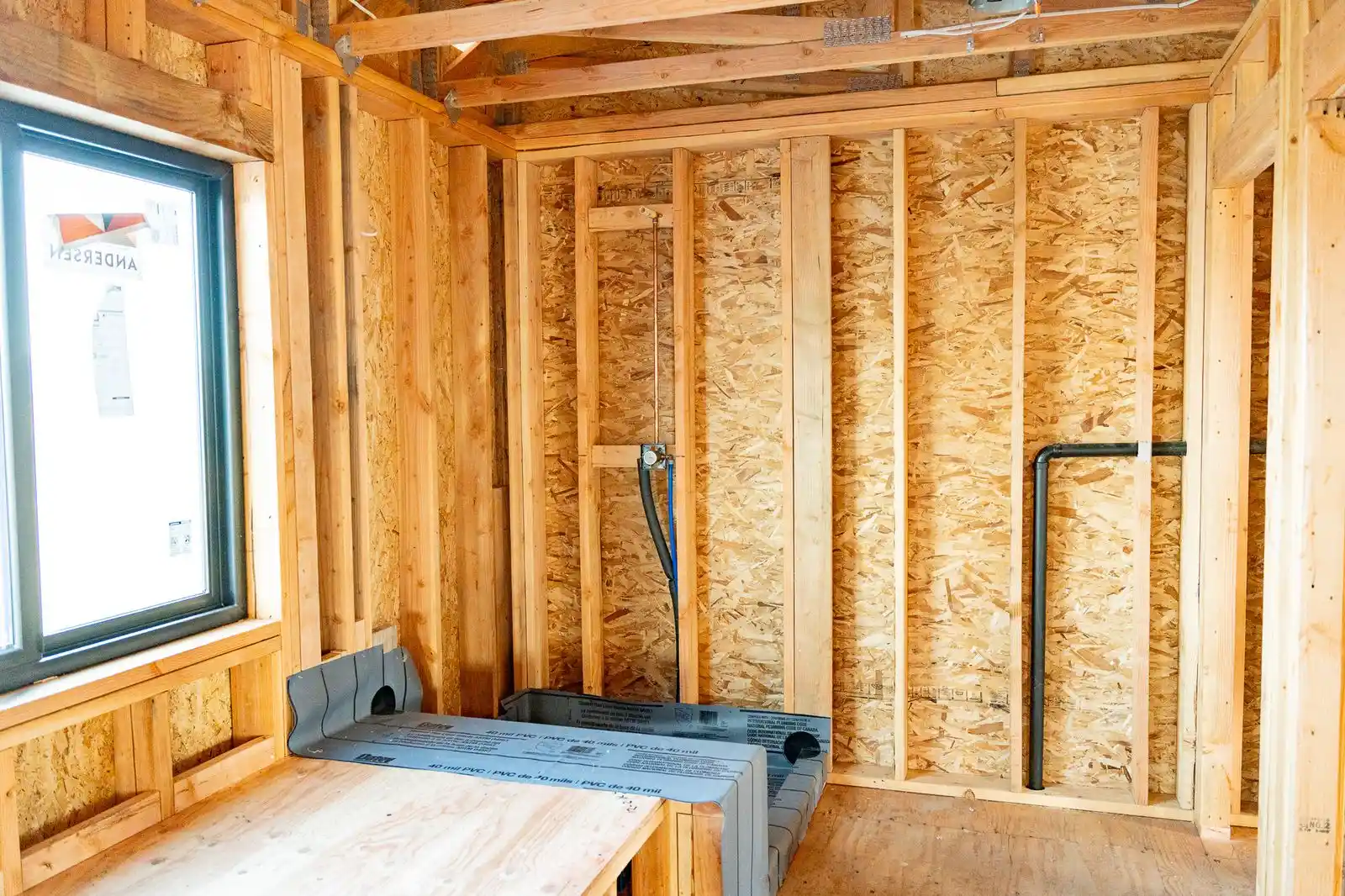
An emergency repair permit is available when an emergency caused structural damage, and it covers only that damage. A letter from a structural or geotechnical engineer has to explain why the situation is an emergency, and significant damage may also require stamped calculations. SDCI’s plan-review priority guideline lists fire-damage repair among emergency projects, with review beginning within 24 hours of submission. Note the difference: review begins then, the permit does not issue then.
When can fire repairs use subject-to-field inspection?
SDCI Tip 316 allows some repairs to damaged buildings to go through subject-to-field inspection when the work restores the building to its original configuration. Under the Seattle Residential Code, repair value cannot exceed 60% of the building’s value, and structural repairs above 10% of estimated replacement cost must be designed by a structural engineer. An inspector who finds worse damage than described can send the project to full plan review.

Remaining foundations and framing need a structural engineer’s evaluation before anyone assumes they can stay. Total replacement is reviewed against current codes. A damage ratio of 60% or more can trigger substantial-alteration provisions covering emergency escape and rescue openings, means of egress, smoke and heat alarms, carbon-monoxide alarms, and dwelling-unit separation. SDCI defines that damage ratio; an insurer writing “total loss” on a claim file does not.
Do you need a separate demolition permit?
A separate demolition permit is generally required to remove an entire building, one permit per building. Removing parts of a structure under an alteration permit, or interior soft demolition that leaves the building standing, does not need one. Disturbing more than 750 square feet of land, or any land in an environmentally critical area, generally triggers a pre-application site visit.
Asbestos survey, air agency notification, and rat abatement
An asbestos survey must be completed before renovation or demolition. Demolition of a structure with more than 120 square feet of roof area requires notification to the Puget Sound Clean Air Agency even when the survey finds nothing, and work generally waits 10 days after filing. Seattle demolition permits also require at least 15 days of rat abatement by a licensed pest-control company immediately beforehand.
Can you rebuild in the same footprint?

Often, yes. Seattle land-use provisions allow a legally nonconforming structure destroyed by fire to be rebuilt to the same or a smaller configuration. SDCI may request a survey by a Washington-licensed surveyor, or other documentation, showing the former nonconformity and that the rebuild does not increase it. Action toward replacement generally must begin within 12 months, and applying for a building permit can satisfy that.
Information to gather, and how to submit it
- Fire report, claim number, and the insurance company’s current scope
- Historical permits and approved plans for your address, which you can locate in SDCI’s property research records
- Pre-fire photographs and measurements
- Site plan, legal description, proposed floor plans, and elevations
- Structural assessment and damage photographs
- Survey, where setbacks or nonconforming conditions matter
- Asbestos survey
- Geotechnical information on steep-slope, slide, liquefaction, landfill, or peat-settlement sites
Most SDCI permits go through the Seattle Services Portal, the city’s online permitting system. You create an account with an email address, fill in the property address and project details on the application screen, and upload plans and supporting documents as PDFs. The portal sends review comments and requests for additional information by email, so watch that inbox. Fee payment runs through the same system, and the receipt and issued permits stay attached to the record page. City permit pages carry a Google Translate logo at the top if you’d rather read them in another language. Decide who holds the login, and keep the contact information current. If the portal choices don’t match your situation, SDCI’s Applicant Services Center can help with questions about which permit type to request.
The other permits a Seattle fire rebuild may require

Construction permits do not include trade work. Expect separate approvals for:
- Electrical, mechanical/HVAC, and plumbing permits
- Side sewer
- Fire alarm and sprinkler systems, reviewed by the Seattle Fire Department under the Seattle Fire Code alongside SDCI
- Seattle City Light for temporary power, service restoration, or a new permanent service
- Street-use, tree, drainage, grading, or shoreline approvals where they apply
Note in writing, before work starts, who pulls and pays for each one.
How long does SDCI review and issue fire rebuild permits?
SDCI aims to finish initial review of simple addition/alteration applications in roughly 2 to 3 weeks, and complex ones in roughly 8 weeks. That is initial review, not total permit time. The rest depends on correction rounds and how quickly you respond. SDCI’s construction permit timeline tool, launched in April 2026, separates city-controlled time from applicant-controlled time on a record, which is helpful when a project stalls. Incomplete plans at intake and mid-project scope changes are the two delays you control.
Seattle Fire Code, building code, and permit expiration
Seattle currently enforces the 2021 Seattle construction codes, including the Seattle Fire Code, with 2024 code implementation anticipated no sooner than May 2027. The 2026 Seattle Stormwater Code and Manual took effect July 1, 2026 and applies to demolition, grading, foundation, drainage, and ground disturbance. Issued construction, demolition, mechanical, and grading permits typically expire 18 months after issuance, and you can generally ask to renew starting 30 days before expiration, so a stalled insurance claim can outlast a permit. Verify current editions on SDCI’s code adoption page.
How permit scope and your insurance claim fit together
Three scopes sit side by side and are not interchangeable: the SDCI-approved scope (what code requires), the insurance-approved scope (what your policy pays), and the construction scope (what your contractor agreed in writing to perform). The Washington Office of the Insurance Commissioner says you may choose your own contractor even when the insurer offers a preferred-provider list, and suggests checking whether you carry law-and-ordinance coverage for code-driven upgrades. Send your adjuster any code-required upgrade in writing, with the SDCI correction notice attached, before you authorize it.
What protects you when choosing a fire rebuild contractor

Washington requires construction contractors to register with L&I and carry a bond and liability insurance. L&I’s Verify tool shows registration status, bond and insurance information, workers’ compensation, and citations. L&I recommends three written bids and advises against paying in full before the work is finished. Tie each payment to a completed, inspected milestone. No honest firm quotes a fire rebuild sight-unseen, and a “sign by Friday” deadline is a warning sign. Cancellation rights depend on how and where the contract was signed; the Washington Attorney General’s office publishes the details.
Closing out the permits at the end
Single-family and duplex projects generally do not need a certificate of occupancy. What you need is the required inspections, completed corrections, an approved final inspection, and closed permits in SDCI’s records. Your contractor’s signed certificate of completion is a separate document insurers often ask for.
Talking with a Seattle-area fire rebuild contractor

Golden Coast Construction & Restoration works only on fire recovery, from emergency board-up through the finished rebuild, out of a permanent office in Renton serving Seattle-area homeowners. We are IICRC-certified and registered in Washington, verifiable through L&I’s Verify tool. On a rebuild, one fire-focused contractor coordinates the structural engineer, the demolition and hazardous-material sequencing, the permits, and the documents your adjuster needs. A handyman isn’t set up for that. Payments follow documented milestones, with a signed certificate of completion at the end. If you’d like an on-site assessment, call or email us with your address and any questions. Nobody can price a fire rebuild honestly without seeing it. A home in Renton or another city permits through that jurisdiction, not SDCI.