

Key Takeaway
Smoke damage carpet repair depends on four layers: the fibers, backing, pad, and subfloor. Lightly sooted carpet with intact fibers can often be restored through HEPA vacuuming and professional hot-water extraction, following IICRC guidelines. Burned, melted, or water-soaked carpet may need patching or full replacement. Cleaning removes residue and odor but cannot reverse heat-destroyed fibers.
Can smoke-damaged carpet be repaired?

Sometimes, yes. If the fibers and backing are intact and the smoke impact is limited, smoke-damaged carpet can often be cleaned and restored by a professional. Carpet that’s burned, melted, heavily contaminated, or soaked by firefighting water may need localized repair or replacement, including the pad and sometimes cleaning of the subfloor. One thing to know up front: replacement is not automatic. Cleaning can lift residue and odor, but it cannot reverse fibers that heat has destroyed. What you’re really deciding is whether to clean, repair, or replace, and that depends on four layers: the fibers, the backing, the pad, and the subfloor. This guide walks through each one calmly.
Before you touch the carpet
First, make sure the building has been cleared for entry. Then photograph everything before you clean or move a single thing, because those images protect your insurance claim. Avoid walking across affected carpet, since foot traffic grinds soot deeper into the pile and can push soot deeper into the carpet fibers. Do not scrub or wet loose soot either. Adding liquid before you remove the dry particulate pushes contamination farther into the fibers and backing. And don’t reach for an ordinary household or shop vacuum on visible ash, which can blow fine particles back into the air. If you’re handling any ash, wear a well-fitted N95 or P100 respirator, gloves, and eye protection. Keep children, pets, and anyone with heart or lung conditions away from the work.
What kind of carpet damage do you actually have?

Smoke-damaged carpet is rarely one problem. It’s usually some mix of four, and each one calls for a different response.
- Loose deposited soot. Dry particulate sitting on otherwise intact carpet. This is the most recoverable.
- Adhered residue and absorbed odor. Smoke particles are microscopic and settle deep into the pile, backing, pad, and surrounding porous materials. Carpet can feel sticky or greasy and stain over time as residue sets.
- Physical heat damage. Scorched, charred, or melted fibers, including carpet burns where flames reached the pile. No amount of shampooing restores these, because the fiber itself is gone.
- Fire-suppression water. Water used to put the fire out soaks the carpet, pad, and subfloor, which creates a drying problem on top of the smoke.
Why does this matter? Because cleaning addresses residue and odor. It does nothing for burns. Sorting out which problems you actually have is the whole decision, and it helps to know the most common causes of lasting damage before you choose a path.
The common causes of lasting carpet damage
Among the common causes of carpet that can’t be saved, the two biggest are heat and trapped moisture. Direct flames and radiant heat melt synthetic fibers outright. A wet carpet left to sit lets residue set and gives mold a foothold. Walking a damaged carpet before cleanup grinds dirt and soot into the backing. Each of these makes the job harder and the outcome worse, which is why early, correct handling matters so much.
Clean, repair, or replace: a layer-by-layer decision guide
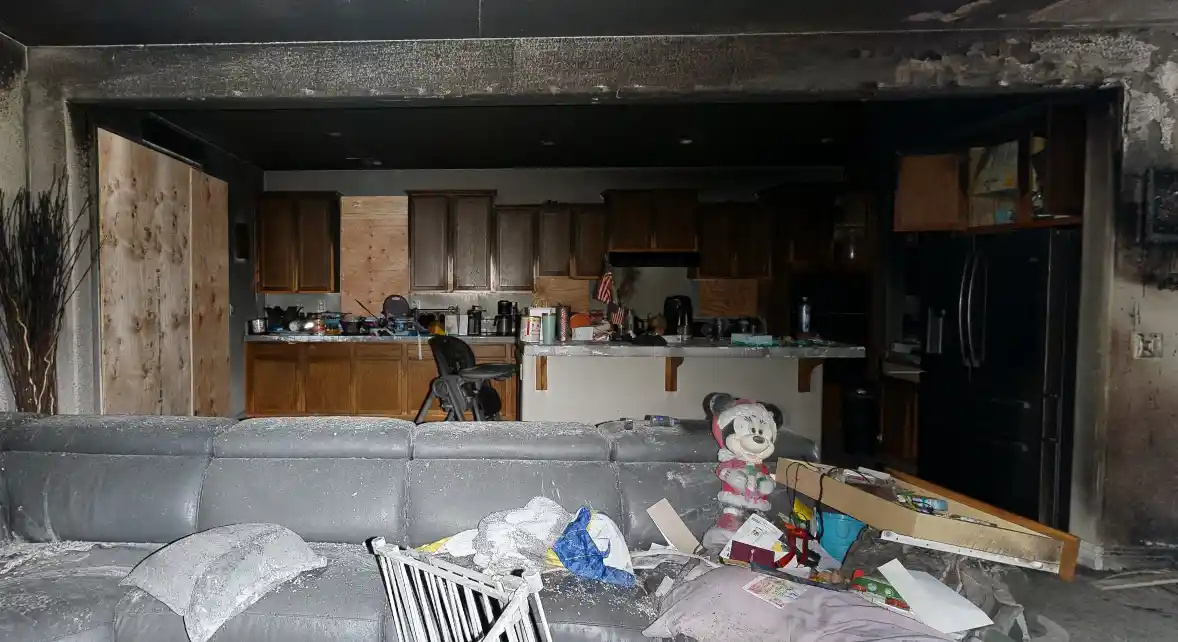
Restoration means cleaning, mitigating, and salvaging what can be saved. Replacement means removing and rebuilding what can’t. The table below shows how common findings tend to point. No one can give you an honest, firm answer without an on-site inspection.
| Finding | Likely response |
|---|---|
| Light deposited soot, carpet intact | HEPA pre-cleaning plus professional extraction may restore it |
| Odor persists after proper cleaning | Inspect pad, subfloor, walls, contents, and HVAC for the remaining source |
| Small localized burn | Professional resectioning, retufting, or patching may be possible |
| Melted or deeply charred fibers | Section or full carpet replacement |
| Extensively impacted carpet and pad | Replacement may be appropriate |
| Wet pad or subfloor | Lift and inspect, then dry or replace as conditions require |
| Delamination, buckling, or failed seams | Repair or replace based on physical condition |
How professional cleaning removes smoke residue from carpet fibers
A trained restoration team works in a set order, following current IICRC and EPA guidance. Skipping steps is how cleaning fails and how you leave odor behind.
- Document pre-existing and fire-related conditions.
- Identify the fiber type and carpet construction.
- Map the residue and exposure pattern across the room.
- Inspect the carpet padding and subfloor, not just the surface.
- HEPA-vacuum the loose soot before any liquid touches the carpet.
- Pretest cleaning products and methods on a small amount of fabric in a hidden area.
- Use hot-water extraction where the carpet is restorable.
- Dry the carpet, pad, and subfloor with air movers and dehumidifiers until it is fully dry.
- Address surrounding odor sources in the room.
- Reinspect for visible residue and for odors that return.
The December 2025 IICRC wildfire technical guide recommends HEPA vacuuming before hot-water extraction, and it notes that near-field carpet may still need full replacement with the pad. Surface carpet cleaning alone is rarely enough, and rushing liquid onto dry particulate only pushes soot deeper into the pile.
When smoke damage restoration means patching, not cleaning
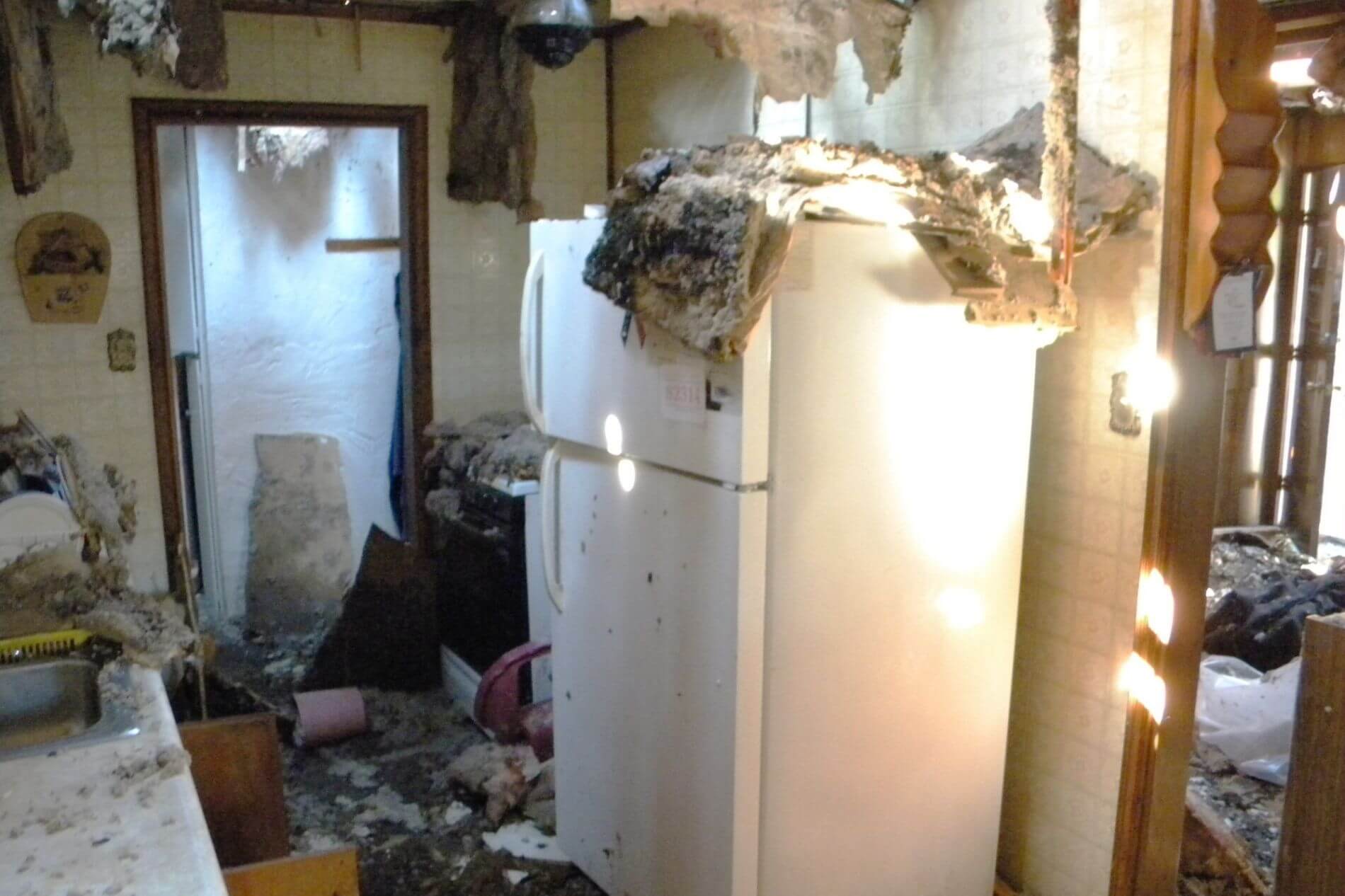
Actual heat damage needs physical repair, not a wash, and this is where smoke damage restoration shifts from cleaning to carpentry. Very superficial surface charring can sometimes be trimmed. Beyond that, a professional may retuft, reweave, or resection the damaged spot with matching material. When matching is impossible or the backing has lost integrity, larger-area or full-room replacement is the honest answer. Matching aged carpet is usually the limiting factor, so no one should promise you an invisible patch. This is exactly where a cleaning-only approach runs out of room.
Why the smoke smell comes back after cleaning
When odor returns after a proper cleaning, the source is almost always still somewhere else. Smoke doesn’t stay politely in the carpet. It settles into the pad and subfloor and lands on walls, baseboards, upholstery, contents, wood trim, and HVAC components. IICRC guidance is clear that carpet can’t be treated in isolation. Common reasons the smell comes back:
- A contaminated pad or subfloor under clean-looking carpet.
- Residue still on walls, baseboards, furniture, or in the HVAC system.
- Source removal that wasn’t finished before cleaning.
- Odor temporarily masked by fragrance, then reappearing.
- Humidity or fresh moisture reactivating residual smell.
A note on ozone, hydroxyl, and thermal fogging

Ozone is not a homeowner fix. The EPA notes that ozone can harm the lungs, damage fabrics and dyes, and is often ineffective at concentrations that meet public-health limits. It belongs only in controlled, unoccupied settings run by trained operators. Hydroxyl generators and thermal fogging are professional tools too, not substitutes for removing the source. Order matters here: source removal, particulate removal, cleaning, drying, and verification come first. Deodorizing equipment is a finishing step, never the way to get rid of the real problem.
What firefighting water changes
When water goes in to stop the fire, it becomes part of the recovery. The EPA recommends drying wet materials within 24 to 48 hours to reduce the chance of mold, and it specifically says carpet backing and padding must both be dried. A surface that feels cool and dry does not prove the padding underneath is dry, which is why moisture readings and lifting the carpet matter. If you wait, damp materials can turn a salvageable floor into a replacement. Mold prevention here is part of fire cleanup, not a separate water-damage service. For more on that window, see our dedicated article on fire-suppression water and mold.
Protecting your insurance claim

A little documentation protects you more than most people realize. Photograph everything before you clean or remove anything, and keep damaged carpet and pad until the adjuster authorizes disposal. Emergency steps to prevent further damage are different from permanent repairs, so note which is which. Request a written, itemized scope from your insurance company, and ask whether carpet, pad, and subfloor are each included. If you attempt any cleaning, document the method and the result. Capture wide room shots, close-ups of soot, filtration lines, burns, and wet areas, the odor location and intensity, whether the HVAC was running, whether windows were open, the fire source if known, the carpet fiber and age, and any moisture readings. Then ask for completion documentation. Our California smoke-damage insurance article covers the claim process in depth.
For Pasadena and California homeowners
California smoke claims come with real protections. The California Department of Insurance requires insurers to conduct a thorough, fair, and objective investigation of smoke damage, and to arrange and pay for professional testing when it’s warranted rather than leaving you to fund it. Smoke is typically a covered peril, though your policy language controls. California’s Smoke Damage Recovery Act (AB 1795) was signed on September 15, 2026, and its implementation is still evolving, so check for updates. For any contractor or restoration company, verify the license through the CSLB license-check tool. Home-improvement contracts over $500 must generally be in writing. The down payment is capped at 10% or $1,000, whichever is less. You generally have a three-business-day right to cancel, or five for buyers 65 or older, though location and emergency service-and-repair exceptions apply.
Frequently Asked Questions
What takes smoke smell out of carpet?
A multi-step approach: remove the source first, HEPA-vacuum the dry soot, use professional extraction, then deodorize. Surface cleaning alone rarely neutralizes it, and a recurring smell usually points to a source elsewhere in the room. Baking soda can help with light odor and vinegar on a clean cloth cuts oily residue, but neither fixes significant damage.
Can you repair patches of carpet?
Yes. Small burned sections can sometimes be resectioned, retufted, or patched with matching material. Matching aged carpet is the limiting factor, so no one should promise an invisible patch. Sometimes replacement simply makes more sense and can even be cheaper than repeated repairs.
How do you get cigarette burn marks out of carpet?
Very superficial scorching may trim out. Deeper burns need patching or resectioning, because cleaning cannot restore fibers that heat has melted.
Can I use a household carpet cleaner after a fire?
It’s often not enough, and it can’t save heat-damaged fiber. Avoid bleach and strong chemicals, which can discolor fibers, and never wet dry soot. Significant smoke damage warrants a professional assessment, so you know what to expect before you pull up anything.
Talk to a licensed fire damage restoration team
A specialized licensed restorer protects you in ways a handyman or a carpet-only cleaner can’t. Golden Coast Construction & Restoration inspects all four layers, the carpet, backing, pad, and subfloor, along with surrounding materials and any firefighting moisture. We document for your insurer, work by-the-book milestone payments, and our crews are IICRC-certified. Our Pasadena office serves Southern California, and you can confirm our California license, CSLB #838443, through the CSLB tool above. If the fire left your home exposed, we offer 24/7 emergency board-up. We’d rather you book an on-site assessment than guess from photos, because no honest firm answer or price comes from images alone. Anyone quoting a price sight-unseen is a red flag.