

Key Takeaway
Smoke damaged artwork and heirlooms can often be saved, but the single most important rule is to photograph everything before touching it and never wipe, spray, or deodorize pieces yourself. Acidic soot particles cause permanent harm when rubbed into canvas, paper, or textiles. Bring in an IICRC-certified fire restorer to stabilize and document, then route original or high-value pieces to a conservator for material-specific treatment.
Often, yes. Many pieces with smoke damage can be saved, but do not wipe, spray, or deodorize them yourself. Smoke residue carries acidic, abrasive micro-particles that keep deteriorating a surface if handled carelessly, and the cleaning is often what causes the permanent damage. If you’re standing in front of a smoke-stained painting or a grandmother’s quilt right now, here’s the honest order of operations: once your home is cleared as safe, photograph each item, limit how much you touch it, and arrange an item-specific assessment. Restoration after a fire is material-by-material work, and a fire restorer’s job is different from a conservator’s.
The first rule: document before you touch anything

Wait for structural and safety clearance before you go back inside. When it’s safe, photograph each item where it sits. Capture the front, the back, the frame, the glazing, the backing board, any signatures or maker’s marks, and all visible fire damage: soot, water lines, cracks, broken glass. Don’t throw away frames, mats, boxes, or shattered glazing before you’ve documented them. They’re part of the record and sometimes part of the repair. Keep smoke-damaged items away from clean ones so soot doesn’t transfer. And before any pack-out begins, point out your fragile or irreplaceable pieces to the restoration team by name. Documenting comes first. Cleaning comes much later, and usually not from you.
Five things not to do with smoke damaged artwork and heirlooms
Soot forms a greasy, acidic film that’s also abrasive. That combination is why the instinct to “just wipe it off” does the most harm, especially on porous materials like canvas, paper, and unsealed wood. The same acids that dull a finish also work into fibers and seams.
| Do not | Why |
|---|---|
| Wipe or rub soot | Abrades the surface and drives acidic particles deeper in |
| Apply water or household cleaner | Can dissolve paint, varnish, pigments, inks, and adhesives |
| Test a small corner | The test itself can leave permanent damage |
| Use ozone or deodorizing sprays | Degrades organic materials and masks odor instead of removing it |
| Seal damp items in plastic | Traps moisture and invites mold |
What determines the extent of fire damage a piece can survive?
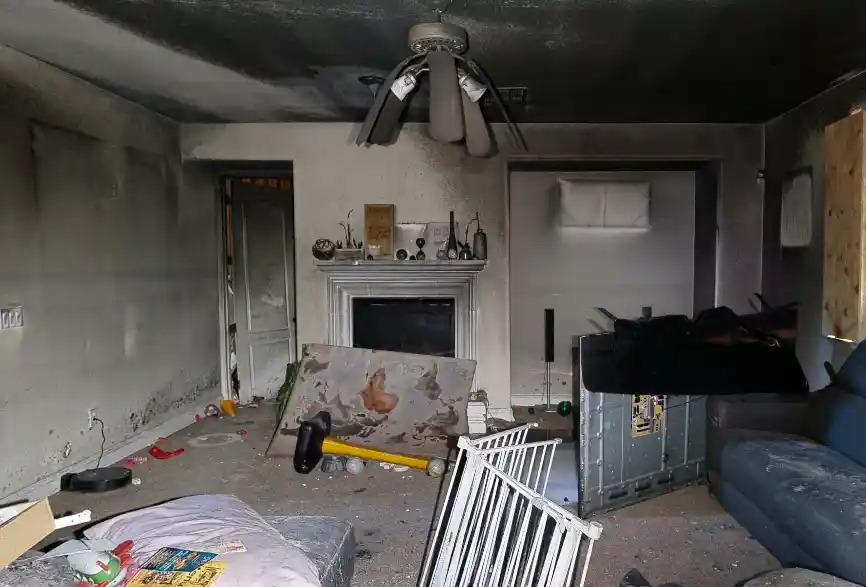
No single rule covers every object. What matters is the item’s material and construction, whether the surface is varnished or bare, whether it’s a porous or sealed canvas, how much heat it took, and the type and amount of residue. Even dirt ground in before the fire changes the picture. Water exposure, structural weakness like flaking paint or weak seams, and the condition it was in before the fire all factor in too. So does time before the item is stabilized.
Be ready for honest limits. Heat can soften and crack varnish. Smoke can shift pigment tone, and that discoloration in the pigments isn’t always reversible. The Smithsonian notes that some paintings cannot be safely cleaned without unacceptable loss. Prompt assessment helps, but anyone inventing a hard deadline to pressure you is a red flag.
Contents restoration vs. art conservation: who should handle each piece
These are two different jobs, and knowing the line protects you. A fire-contents restoration professional documents and inventories your belongings, stabilizes the environment, dries items exposed to suppression water, coordinates with your adjuster, and tracks everything through pack-out and return. Conservators perform the irreversible, material-specific treatment an original painting, historic textile, or rare photograph requires. That depth of expertise is what keeps a sentimental piece from being lost to a well-meaning mistake.
IICRC certification alone does not qualify someone to treat an original painting. A good restorer knows when to hand a piece to a conservator. Conservators handle photos by their edges and know that removing soot from a textile the wrong way drives grime into the fibers. Where asbestos, lead, or other hazards may be exposed, an industrial hygienist should test before anyone begins cleaning or remediation. The same care applies to wood doors, cabinetry, and other salvageable fixtures.
When smoke damage meets firefighting water, and why the odor keeps coming back
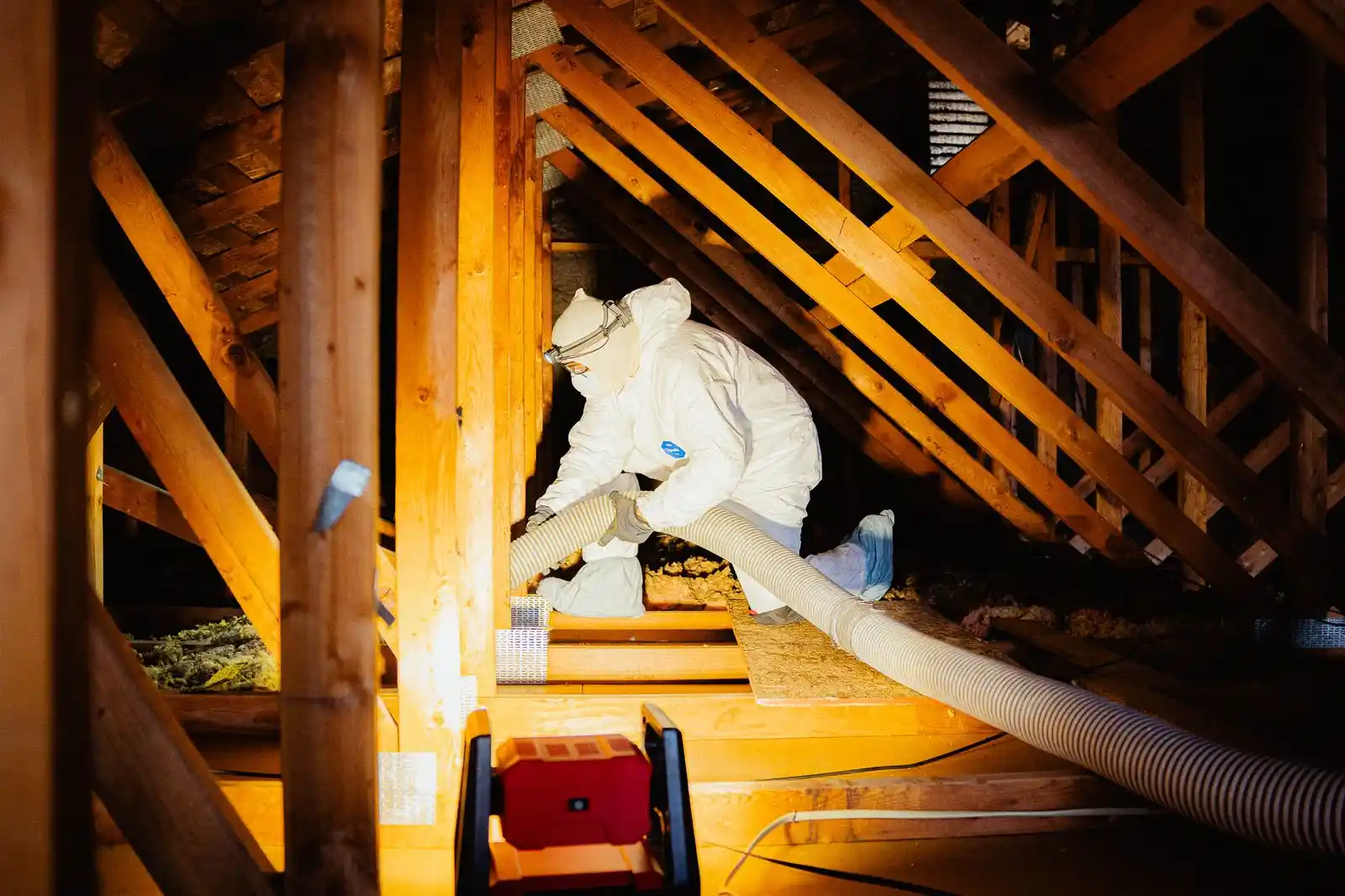
Wet objects are weaker, so controlled drying comes before any soot removal or remediation. Where suppression water or moisture is involved, the EPA advises drying affected materials within 24 to 48 hours to help prevent mold. Never apply direct heat to a fragile object to speed that up.
Odor is the stubborn part. Smoke settles into backing boards, mats, wood frames, textiles, paper, adhesives, and storage boxes, so cleaning the visible surface doesn’t end it. Treatment may replace sacrificial framing while leaving the original piece intact. The American Institute for Conservation notes that object odor can take weeks, months, or years to fade, and that ozone and thermal fogging aren’t safe for valuable items, since residual smoke can remain deep in porous materials.
Insurance claims and getting the right help in California
Build your claim one item at a time:
- Item-by-item description with dimensions and identifying marks
- Condition photographs showing the smoke damage
- Receipts, appraisals, provenance, or older pre-fire photos
- Whether the piece was scheduled on your policy
- The conservator’s condition report, plus pack-out inventory and chain-of-custody records
For California homeowners: The California Department of Insurance notes that homeowners policies may set special sublimits on fine art, antiques, and collectibles, so a scheduled endorsement or rider may be needed to confirm an item is covered. Check your coverage before you assume anything, since limits vary by policy. California also requires insurers to properly investigate fire and smoke damage claims rather than deny them outright.
Golden Coast Construction & Restoration is IICRC-certified and a licensed California General Contractor (CSLB #838443), with a permanent Pasadena-area office serving its Southern California community and 24/7 emergency board-up. Our experience is in fire recovery: we photo-document and track pack-out, bill by milestone, work directly with adjusters, and bring in qualified conservators when an original piece needs one. The early steps you take protect the things you love most, and choosing a licensed, specialized restorer over a handyman is the difference that keeps your story intact. If you want to explore an item-specific assessment, contact a licensed restorer before anyone cleans; more information is on our website. No pressure, no “sign by Friday.” That last one is a tactic we warn homeowners against.
Frequently Asked Questions
Can smoke-damaged family photographs be saved?
Often, yes. Handle them by the edges, don’t pull photos stuck to glass, keep them in the frame, and route them to a conservator for treatment or scanning. From the beginning, less handling helps you find more of them intact.
How do you clean smoke damage from painted walls?
Walls are not artwork. Professionals dry-sponge or HEPA-vacuum loose soot first, then clean, because starting with water on a porous wall just smears soot. It can be a difficult surface to judge by eye. After cleaning, a stain-blocking primer goes on before you repaint. Never paint over soot.
Can I use ozone to remove smoke odor from artwork?
No. Current conservation guidance advises against ozone on objects because it degrades organic materials and only masks the source of the smell instead of removing it.
Do I need an art conservator or a fire restoration company?
Usually both, in sequence. The fire restorer documents, stabilizes, and coordinates. Conservators perform the irreversible treatment on originals or high-value pieces, so the paint, pigments, and canvas are handled correctly. An on-site assessment is the surest way to know what remains savable.