

Key Takeaway
Wildfire victims can access resources for shelter, food, insurance claims, FEMA disaster assistance, SBA loans, legal aid, document replacement, and mental health support. For immediate needs, call 211 for shelter and food referrals or 911 for danger. California’s 2026 insurance protections include at least four months of ALE advances and contents payments up to 60% without a full inventory. Check your fire’s official recovery page, since programs and deadlines vary by incident.
After wildfires, you may be able to get help with shelter, food, insurance claims, federal disaster assistance, disaster loans, legal aid, document replacement, health needs, debris removal, and rebuilding. Three first moves matter most: call 211 or local emergency services for immediate needs, open an insurance claim if you’re covered, and save every photo and receipt as you go. Then check the official recovery page for your specific fire, because programs and deadlines vary. You don’t have to solve all of this at once. One or two tasks a day is enough.
If You Need Immediate Assistance Today, Start Here
Call 911 for anything that’s an immediate danger. For shelter, food, and local referrals, dial 211, which connects you to community and emergency services near you. The American Red Cross and local community partners run many of the shelters and supply sites for residents displaced by fires. Don’t go back home until local authorities clear the area. CAL FIRE warns about hot spots, damaged utilities, unstable structures, and post-fire debris flow. During the Palisades Fire and other current fires across Southern California, poor air quality from smoke kept many residents indoors even outside the burn zone. If you had to leave pets behind, local animal services can help, and first responders will advise when it’s safe to return.
| Need | First step |
|---|---|
| Immediate danger | Call 911 |
| Shelter and food | Call 211 |
| Returning safely | CAL FIRE “After a Wildfire” page |
| Pets left behind | Local animal services |
Shelter locations and hours change fast, so use a live finder for up to date information rather than an old list of resources.
Create One Wildfire Recovery File
Keep everything in one place: your policy and claim number, photos and videos of the damage, evacuation and temporary-housing receipts, correspondence, decision letters, official damage assessments, and a call log with names, dates, and short summaries. This single file supports both your insurance claim and your FEMA assistance request, and it keeps the recovery process from feeling scattered. When it’s safe to hold onto damaged belongings, don’t throw them out before you’ve documented them and checked with your insurance company.
Insurance Resources for Homeowners and Renters

Insurance coverage is usually your first financial recovery resource, and it’s a different thing from grants, donations, or “free wildfire money.” File promptly. Ask your insurer about Additional Living Expenses, also called Loss of Use, which can cover temporary housing, food, transportation, and storage while the home is uninhabitable. Request a complete copy of your policy. If a claim stalls or confuses you, the California Department of Insurance consumer line is 800-927-4357.
For a qualifying covered total loss tied to a declared state of emergency, California’s 2026 protections include an ALE advance on request (at least four months), a contents payment of up to 60% without a full itemized inventory (capped at $350,000), and at least 36 months to collect full replacement cost. The law on your fire’s date controls, so check the CDI notice for your loss date. Renters often have contents and ALE coverage but not dwelling coverage.
Does FEMA Help With Disaster Assistance After Fires? Eligibility
Sometimes. FEMA Individual Assistance requires a presidential disaster declaration that includes IA for your county. It isn’t automatic after every natural disaster. Check DisasterAssistance.gov or the FEMA app for your location. Categories may include rental assistance, basic home-repair help, personal property, medical or dental costs, funeral expenses, and moving or storage. The Federal Emergency Management Agency exists to support victims when local resources run short.
Two myths cost people help. Having insurance does not automatically disqualify you; FEMA may assist when coverage is denied, delayed, exhausted, or insufficient, so report all your coverage. And FEMA won’t pay full rebuilding costs or restore your pre-fire finances. For recent declarations, the standard IA application period is 60 days (extensions possible), with a general additional 60-day late grace period if you explain the delay, and generally 60 days from your decision-letter date to appeal. Follow the date printed on your own FEMA letter. If you have questions, the FEMA Helpline is reachable at 800-621-3362. Disaster Recovery Centers are temporary, so use the official locator to find one you can visit.
Other Financial Assistance and Practical Disaster Relief Resources
Know what each resource is. SBA disaster loans are loans, not grants, for homeowners, renters, and businesses in affected areas, covering losses insurance doesn’t. D-SNAP provides expedited replacement food benefits, and county social services can help you apply. The IRS grants tax extensions for federally declared disasters, and property-tax relief may apply. USDA offers disaster help for rural homeowners and businesses. State and local governments and community foundations often set up a recovery fund offering short term relief, and local long-term recovery efforts and case-management programs offer ongoing assistance too. Each has its own application window, sometimes a short one, so use the live recovery-services finder instead of old lists.
Health and Mental Health Resources After Wildfires
Replace lost prescriptions through your pharmacy or provider. For mental health support, the Disaster Distress Helpline (800-985-5990) and the 988 Suicide & Crisis Lifeline are free, confidential, and open 24 hours. These mental health resources exist for children, older adults, and families impacted by fire; in Los Angeles County, Help Me Grow LA connects families to local mental health services. The strain on your health after a fire is real, and asking for help is reasonable.
Fire ash and burned building debris can carry health risks, including asbestos, lead, arsenic, and mercury. That’s not ordinary cleanup. Keep children, older adults, pregnant people, people with heart or lung conditions, and pets away from it. Government debris-removal programs are incident-specific with their own enrollment and deadlines, and asbestos or lead testing may be warranted before demolition. This is where trained cleanup matters more than DIY.
Replacing Important Documents and Getting Legal Help

You can replace IDs, driver’s licenses, Social Security cards, passports, vehicle titles, vital records like birth and marriage certificates, and immigration documents through California’s document-replacement page. Free disaster legal help covers FEMA appeals, insurance disputes, landlord-tenant issues, consumer protection, and contractor fraud. The State Bar of California disaster legal helpline is 888-382-3406.
When Recovery Moves From Assistance to Property Work, and the California Rules That Protect You
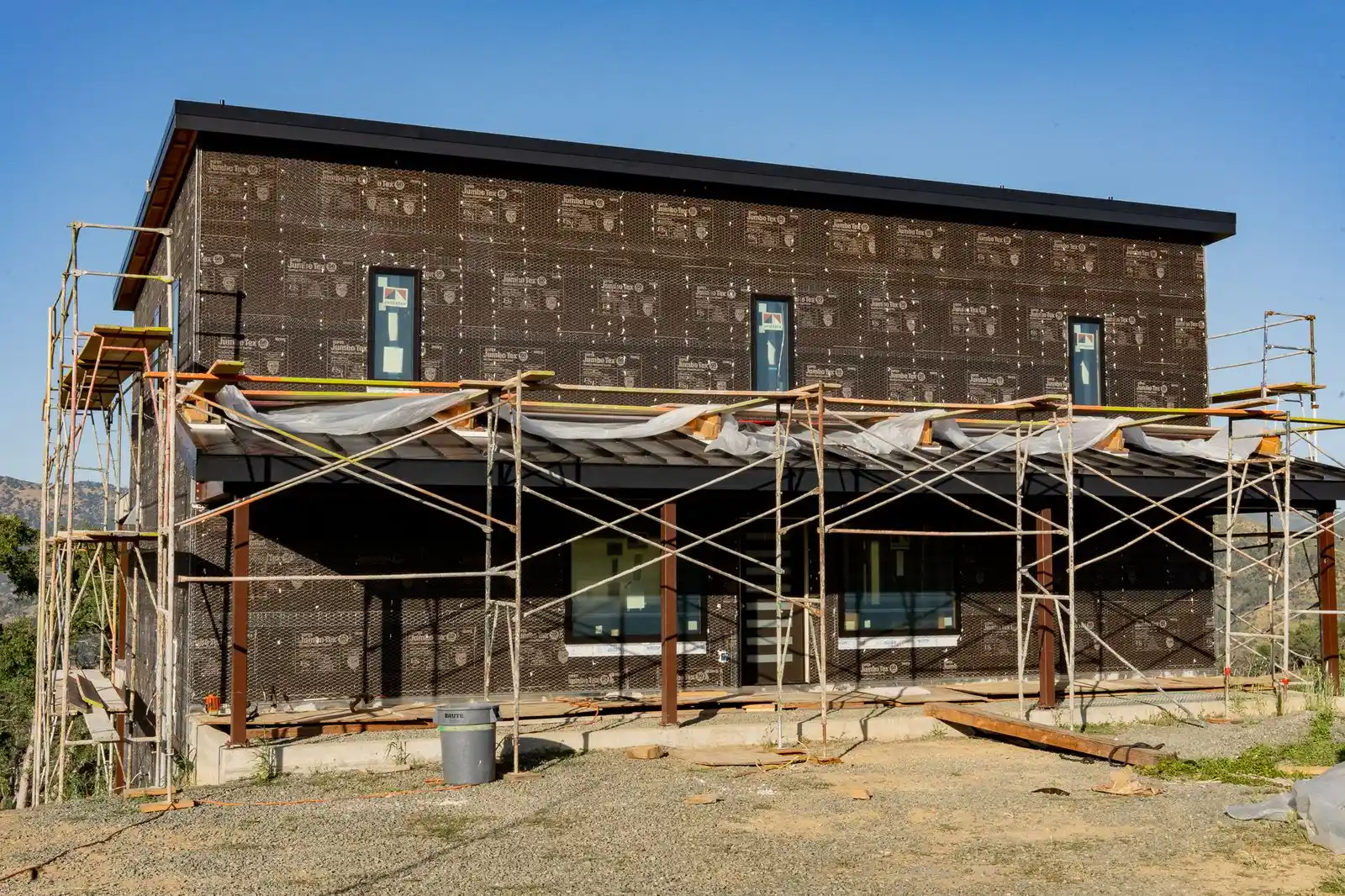
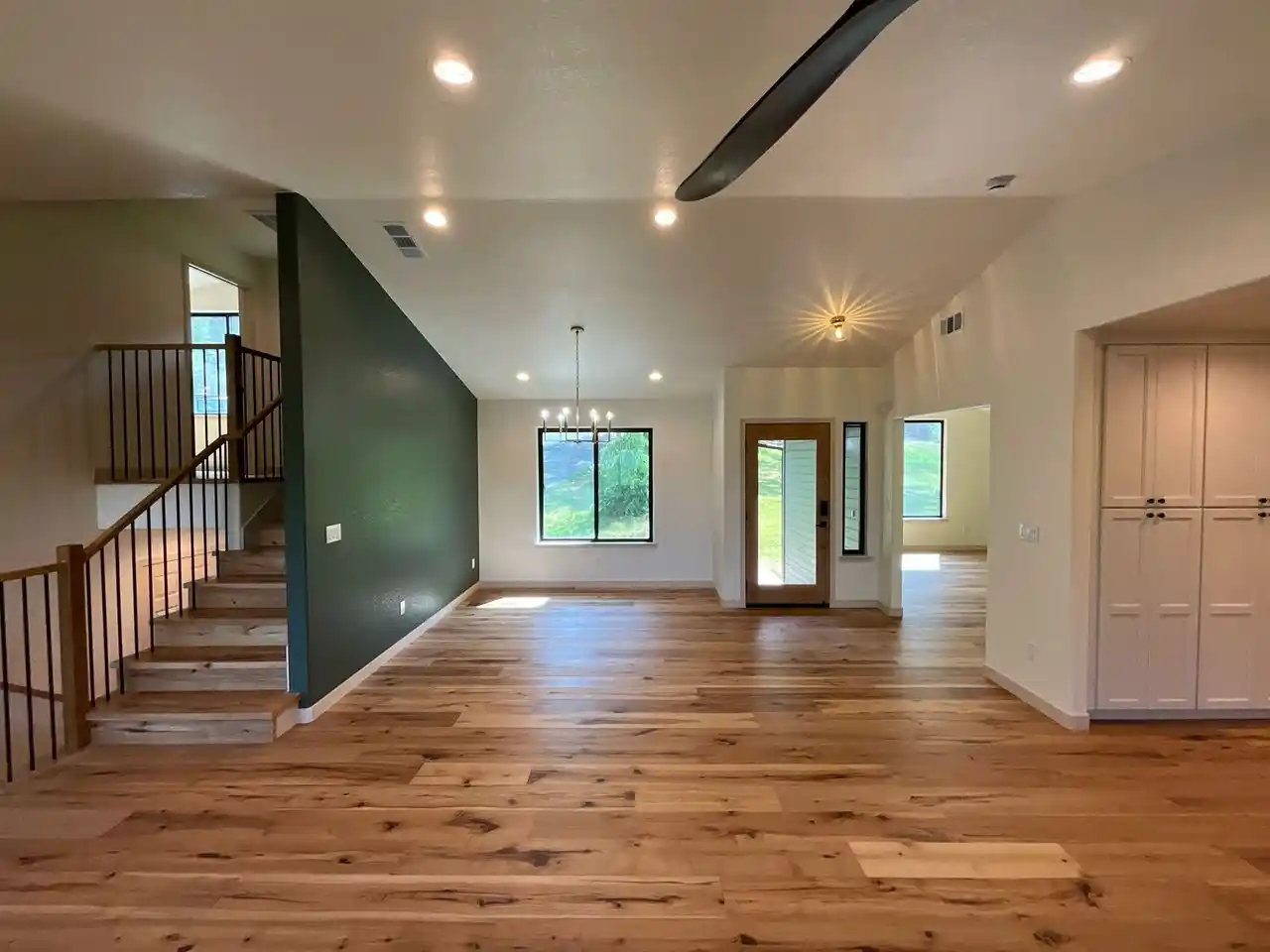
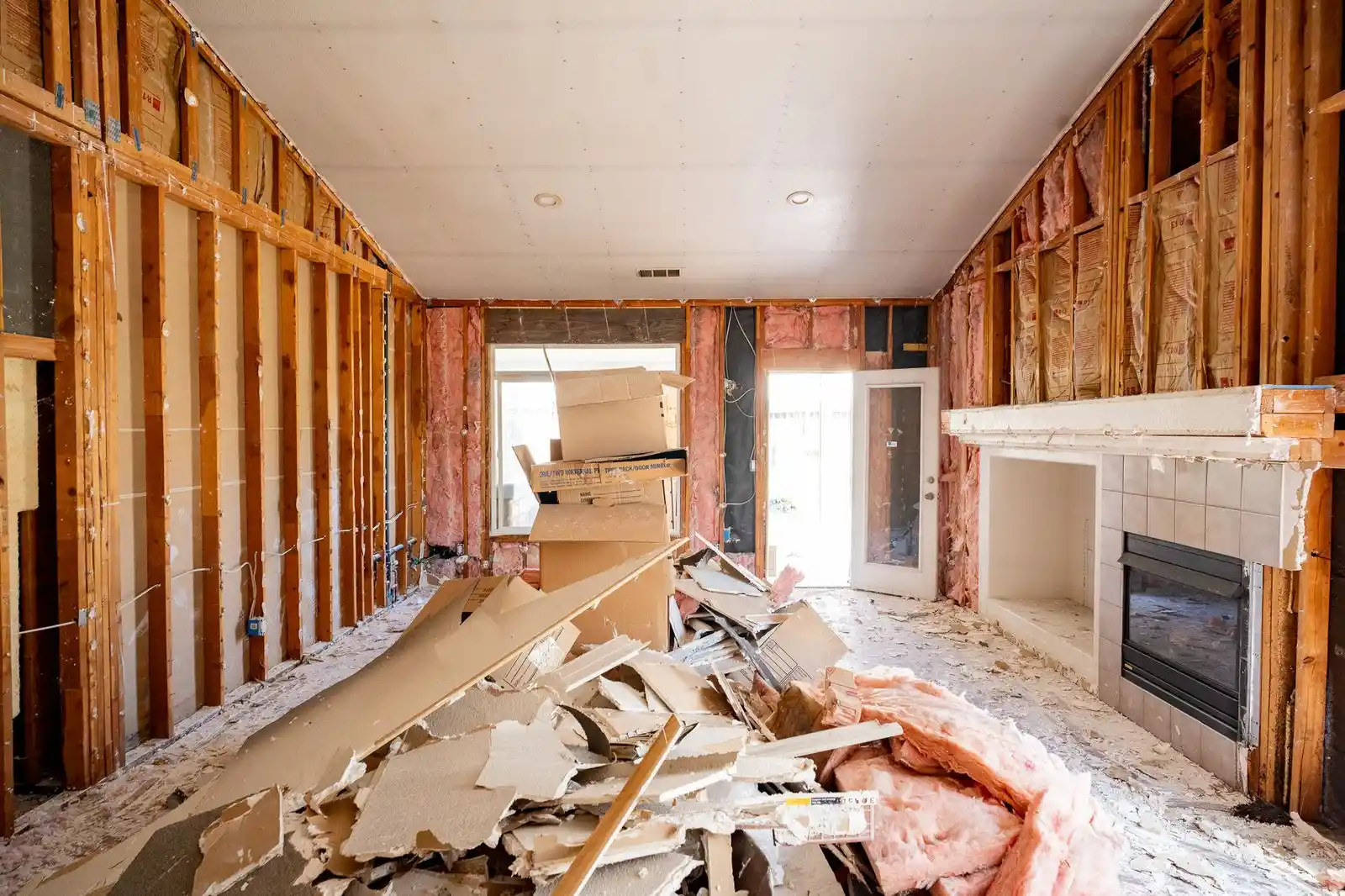
Two kinds of work get confused. Restoration means securing the property, board-up and tarping, smoke and soot cleanup, drying suppression water, salvaging contents, and repairing areas that can be saved. Reconstruction means rebuilding structure after major damage or total loss. They aren’t interchangeable. An honest scope and cost need an on-site assessment, and anyone quoting a firm price sight-unseen is a red flag.
Before you sign anything in California:
- Verify the contractor’s CSLB license and B, General Building classification, in good standing, through CSLB License Check.
- Get at least three written bids.
- Use a written, fixed-price contract, not open-ended time-and-materials for disaster work.
- Down payment is capped at 10% or $1,000, whichever is less.
- Progress payments can’t run ahead of completed work.
- You have seven business days to cancel a qualifying disaster-repair contract in a declared area.
Never sign over an insurance check. Walk away from any “sign by Friday” pressure.
How Golden Coast Construction & Restoration Supports Pasadena-Area Survivors

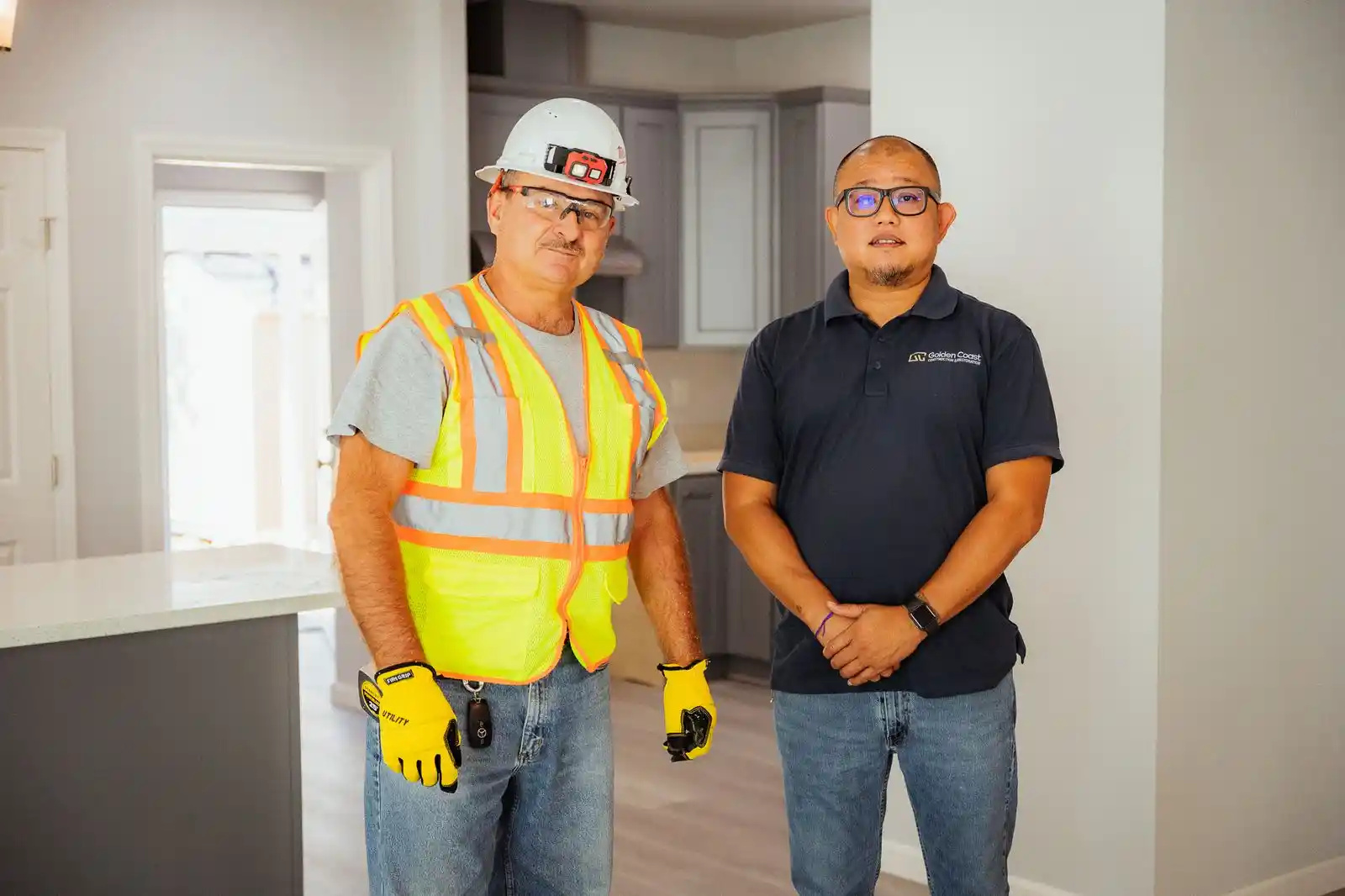
If your home needs to be secured, assessed, restored, or rebuilt after a fire, an on-site assessment is the honest place to start. Golden Coast Construction & Restoration handles fire recovery across Southern California from 24/7 emergency board-up through complete reconstruction. We’re a licensed California General Contractor (CSLB #838443, verifiable through CSLB), IICRC-certified, with a permanent Pasadena-area office. We use milestone payments tied to completed work, run QA inspections, coordinate directly with insurance adjusters, test for hazardous materials where warranted, and provide a signed certificate of completion. You can contact us when you’re ready. No pressure, no manufactured deadlines.
List of Resources for LA County Disaster Assistance and Recovery
These current California and Los Angeles area resources support residents and communities through emergency management and long term recovery efforts across the affected areas:
- California LA fire help hub
- California Recovery Services Finder
- Los Angeles County recovery portal
- CDI wildfire resources
- CSLB Disaster Help Center
The 2025 LA fire emergency shelters and temporary Disaster Recovery Centers are closed as of this writing. Visit the live finder for current services following your fire.
Does FEMA help wildfire victims who have insurance?
Potentially, yes. FEMA can’t duplicate insurance, but it may help when your coverage is denied, delayed, exhausted, or insufficient for an eligible need. Report all your coverage.
What can I do to help fire victims?
Donate money to an established state or local relief fund, community foundations, and vetted organizations such as the American Red Cross, favoring cash over supplies unless a specific essential need is requested. Some cultural institutions, including performing arts groups, also run benefit drives for families. You can volunteer through official channels and donate blood to support local relief.
What should I do if FEMA denies my application?
You can generally appeal within 60 days of your decision letter. Submitting supporting documents may be enough, and free disaster legal aid can help you build the appeal.
What should I do if I lose everything in a house fire?
Call 211 for shelter and food, open your insurance claim, start one recovery file, and check your fire’s official recovery page for current programs and deadlines.
What’s the difference between restoring and rebuilding a fire-damaged home?
Restoration cleans, dries, and repairs salvageable areas. Rebuilding reconstructs structure after major or total loss. Both start with an on-site assessment.